
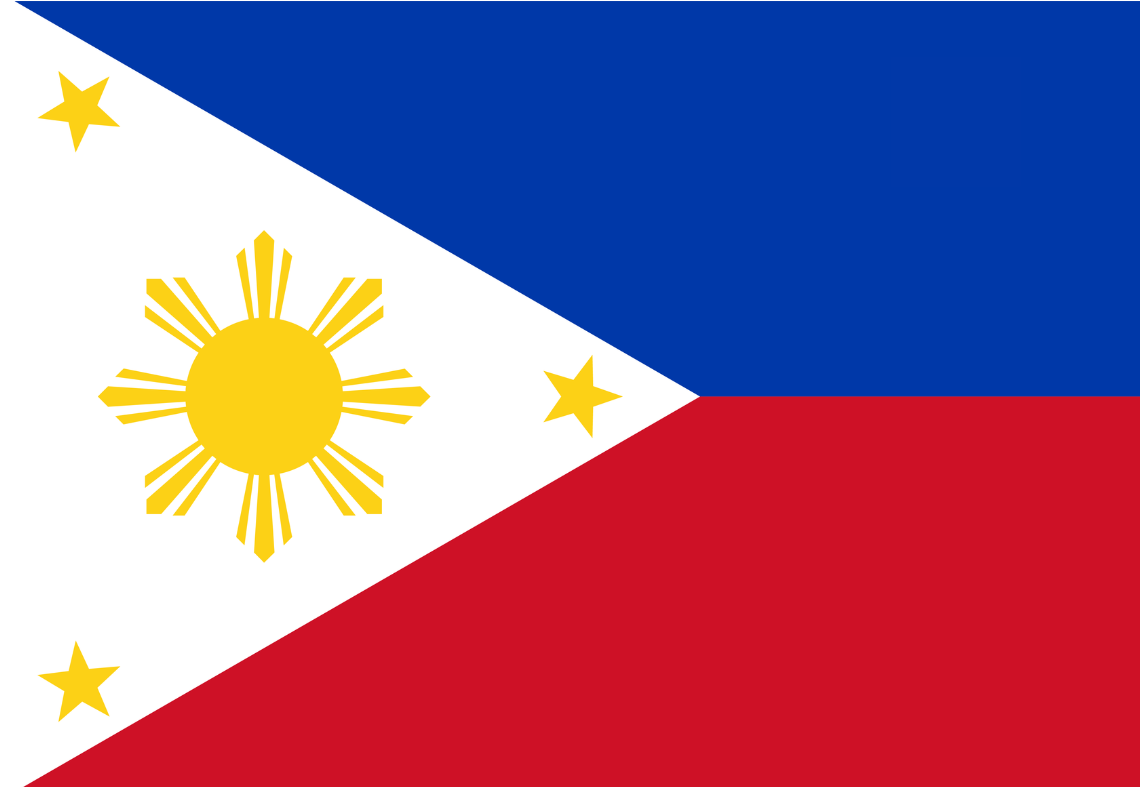
SOUTHEAST ASIA
PHILIPPINES
The Philippines became a GCERF partner country in 2018. For years, the Philippines have struggled with violent extremist and separatist groups in the south of the country. A long-running movement for independence led to the formation of the Bangsamoro Autonomous Region in Muslim Mindanao (BARMM) following peace talks and negotiations between the central government and separatist groups. While this is a step forward for peace, violent extremist groups, including local groups inspired by ISIS, continue to operate and recruit members.
- Lanao del Sur
- Maguindanao
- North Cotabato
- South Cotabato
- Saranggani
- Sulu
Background & Context
Understanding Violent
Extremism in The Philippines
For decades, the southern Philippines—particularly the island of Mindanao—has faced persistent challenges linked to armed separatist movements and violent extremist (VE) groups. Long-running conflict involving Moro insurgent organizations led to major peace negotiations with the national government, culminating in the establishment of the Bangsamoro Autonomous Region in Muslim Mindanao (BARMM) as part of a broader political settlement aimed at addressing historical grievances through greater autonomy and governance reforms. While the peace process has contributed to improved stability in some areas, VE groups—including factions inspired by ISIS —continue to operate in certain parts of the south, engaging in recruitment, criminal activity, and sporadic violence. In parallel, prevention efforts have increasingly focused on community resilience and local governance, including initiatives under the National Action Plan on Preventing and Countering Violent Extremism (NAP P/CVE-Philippines). A multi-year programme supporting civil society engagement in the implementation of this strategy, with an investment of around USD 5.3 million, concluded in 2025.
GCERF'S UNIQUE INVESTMENT MODEL
Country
Support Mechanism
GCERF pioneers a unique model of investment designed to promote a whole-of-society approach and ensure the sustainability of our programmes. Under this model, in each partner country, we support national governments in establishing a steering committee called the Country Support Mechanism (CSM).
In the Philippines, the CSM is chaired by the Department of the Interior and Local Government (DILG) and brings together relevant government agencies, civil society organisations, and donor representatives to provide strategic direction for the programmes, ensure results, and progressively inherit ownership of funding community-level efforts to prevent violent extremism.
Key Drivers of Violent Extremism
Identity-based conflict and political rivalry
In parts of the Philippines, violent extremism is often rooted in long-standing identity-based tensions involving ethnic, religious, and clan dynamics. Political rivalries also translate at the local level, which can deepen divisions and create openings for armed groups to mobilise support or exploit grievances.
Youth marginalisation and radical influences
A significant driver of vulnerability to violent extremism is the marginalization of young people. Limited access to quality education, employment opportunities, and civic participation can create a sense of frustration and lack of belonging.
Governance gaps and fragile institutions
Weak governance structures and uneven delivery of basic services remain key factors contributing to instability. In some areas, limited state presence, corruption, and inconsistent rule of law reduce public trust in institutions and create environments where non-state armed actors can exert influence.
Results at a Glance
Key Results
Investment & grant figures updated May 2026 · Programme results updated December 2025
Our Approach
Investment Strategy
in The Philippines

Support community-based rehabilitation for returnees and for the victims of VE groups and their families, including access to mental health support services

Increase access to economic opportunities for people from vulnerable or marginalised communities
