Knowledge Hub
GCERF is uniquely positioned to translate community-level learning into knowledge that shapes the global response to violent extremism and terrorism. Our knowledge products draw evidence directly from programmes implemented by civil society organisations in the most remote and fragile contexts, offering insights grounded in reality.
Latest content
-
Podcast
Learning, Earning and Belonging: Pathways to Reintegration
In this episode of Turning Points, host Basile Ema Ebede, GCERF’s Regional Manager for South-East Asia, is joined by Aisah Ponce Macabuat, Project Manager at ECOWEB Philippines, to explore how education, vocational training and livelihood development can support rehabilitation and reintegration.
Listen to episode → -
Report
Mental Health and Psychosocial Support in Rehabilitation and…
Recommendations on integrating MHPSS into R&R programmes, drawing on country-level experiences and practical lessons.
Read report → -
Podcast
The Role of Faith Leaders and Youth in Deradicalisation and…
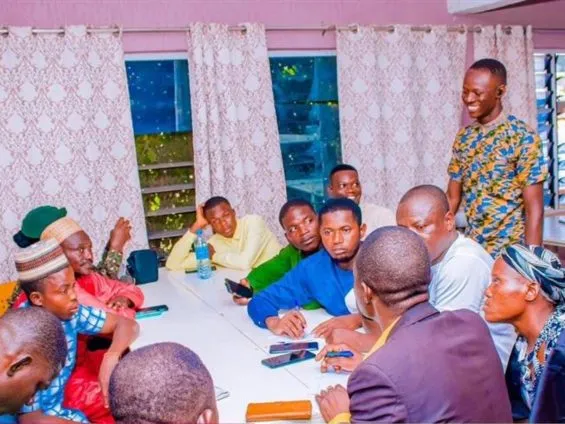
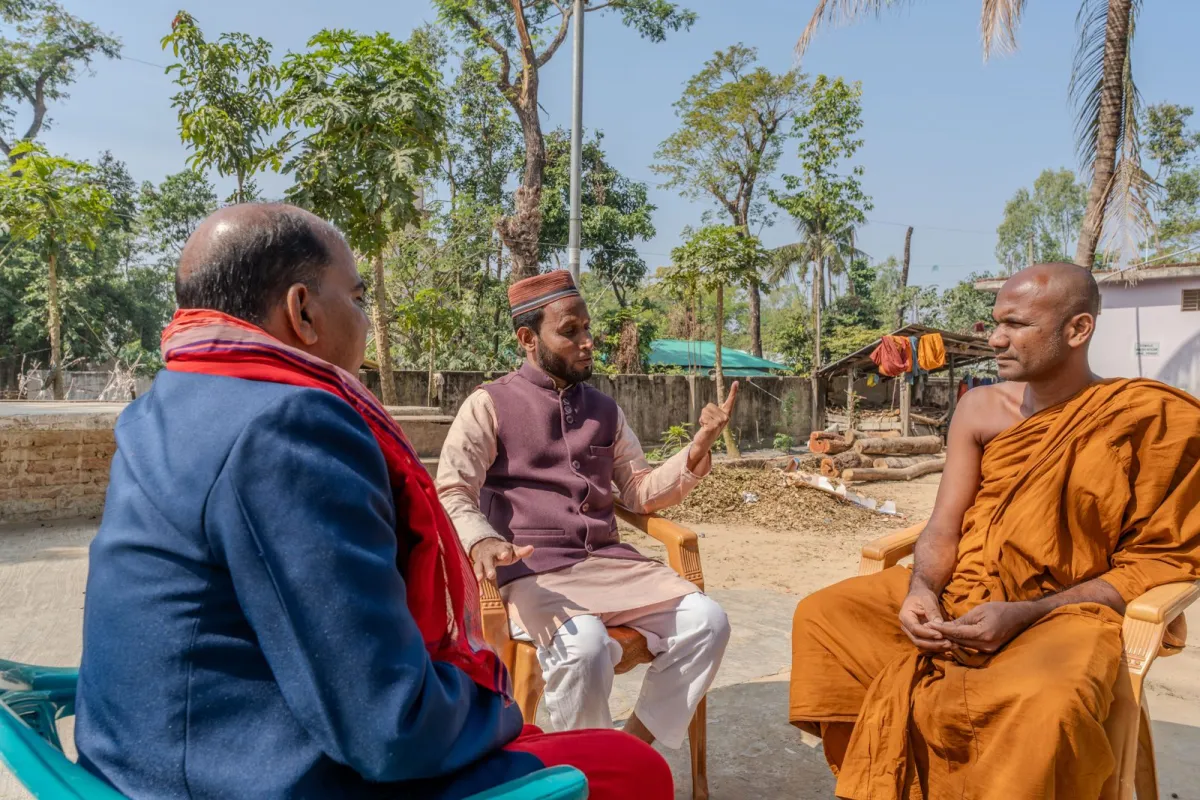
Faith leaders can be among the most trusted people in a community. But what happens when that trust is brought into the work of rehabilitation and reintegration? In this episode of Turning Points, host Samhita Ayaluri explores how faith leaders and youth actors can contribute to preventing violent extremism, and building stronger, more resilient communities.
Listen to episode → -
Story
From Football Fields to Safe Spaces: Building Youth…
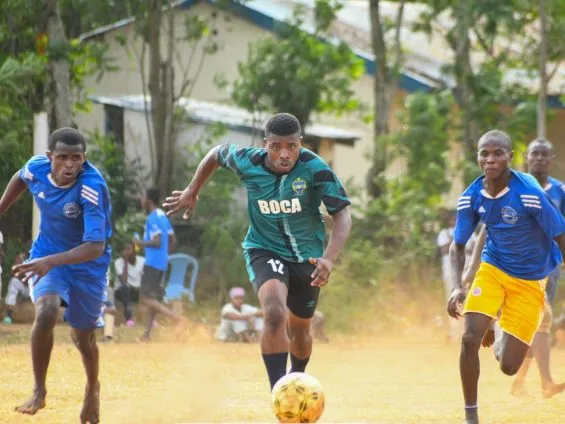
In Garbatulla Sub-County, Isiolo, at-risk youth once had nowhere to turn – No structured support to protect them from the pull of violent extremism. That began to change when RPPL’s GCERF-supported SIRR programme found a powerful ally in Abduba, a respected youth leader and chairperson of the local football federation.
Read story → -
Story
Breaking the Cycle of Violent Extremism: Daina’s Story of…
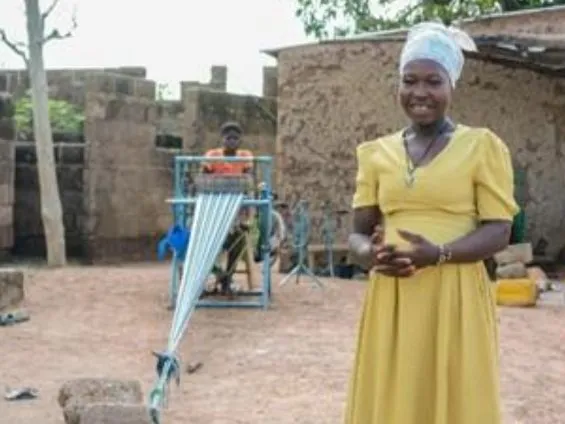
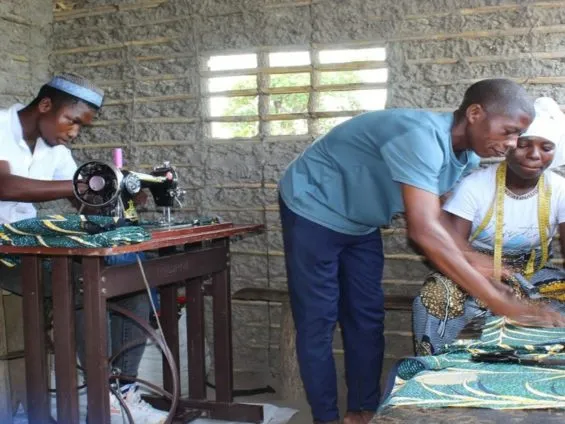
In 2024, STAR Ghana Foundation taught Daina weaving along with market skills, digital literacy, and ways to prevent violent extremism, while a village savings group helped her manage her money.
Read story → -
Article
Recalibrating Security-Community Relations: for the…
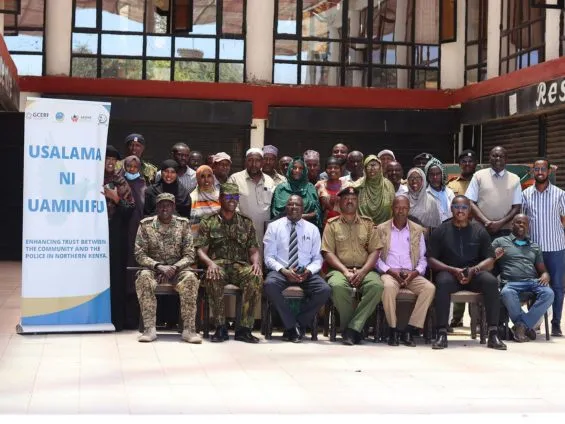
Mohamedamin Issack, Samhita Ayaluri
Read story → -
Podcast
The Legal Path Home: International Law and The Challenges of…
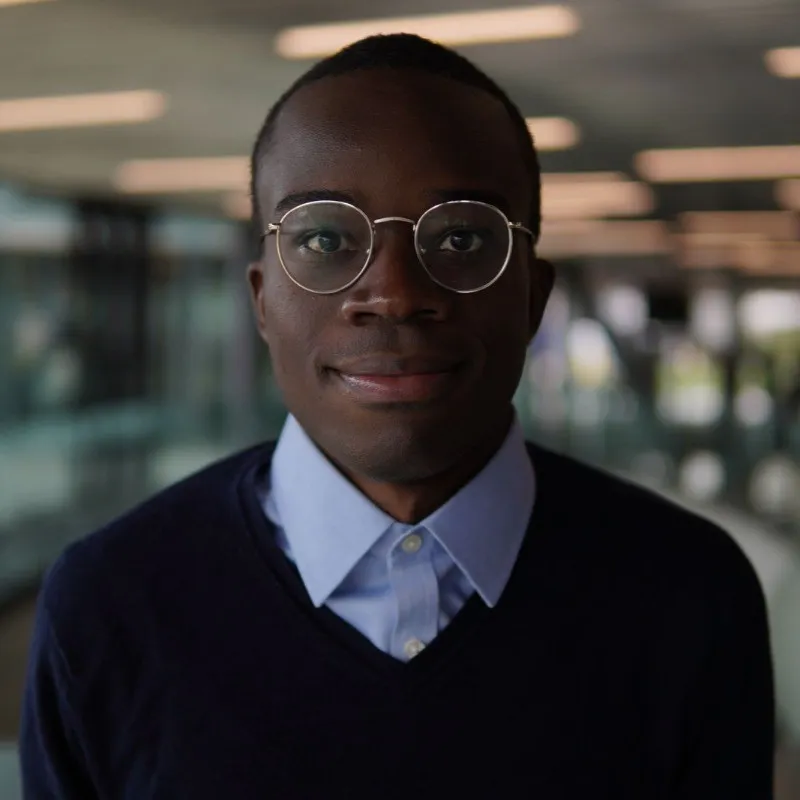
Before rehabilitation and reintegration can begin, there is a fundamental question: who has the right to return? In this episode of Turning Points, host Basile Ema Ebede, GCERF’s Regional Manager, is joined by Aoife Devlin, a law and politics graduate from University College Dublin. Together they examine the legal challenges surrounding the repatriation of ‘foreign terrorist fighters’ and their families from Northeast Syria — exploring the role of international law, citizenship, and state responsibility.
Listen to episode → -
Press release
In Loving Memory: Claude-Emmanuel Hiol
It is with profound sadness that GCERF announces the passing of Claude-Emmanuel Hiol, who joined GCERF in 2025 and passed away in an accident. Claude-Emmanuel was working as an intern within the Sahel portfolio, supporting grant management activities in Mali. He was a valued member of the GCERF family, and his loss is felt deeply by all who knew him.
Read story → -
Story
Rebuilding a Future: A Child’s New Beginning in Aden
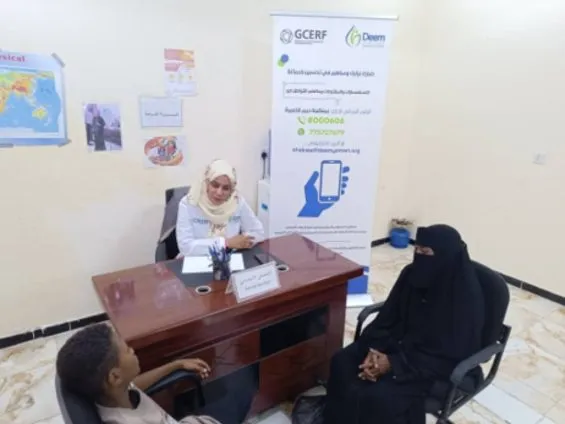
In early 2026, a GCERF-supported child protection intervention through ‘Deem For Development’ in Aden Governorate, Yemen, helped a vulnerable adolescent move from detention toward reintegration—providing psychosocial support, family assistance, and vocational guidance to rebuild trust, resilience, and hope for the future.
Read story →
Our work
215 results
-
Podcast
Learning, Earning and Belonging: Pathways to Reintegration
In this episode of Turning Points, host Basile Ema Ebede, GCERF’s Regional Manager for South-East Asia, is joined by Aisah Ponce Macabuat, Project Manager at ECOWEB Philippines, to explore how education, vocational training and livelihood development can support rehabilitation and reintegration.
Listen to episode → -
Report
Mental Health and Psychosocial Support in Rehabilitation and…
Recommendations on integrating MHPSS into R&R programmes, drawing on country-level experiences and practical lessons.
Read report → -
Podcast
The Role of Faith Leaders and Youth in Deradicalisation and…
Faith leaders can be among the most trusted people in a community. But what happens when that trust is brought into the work of rehabilitation and reintegration? In this episode of Turning Points, host Samhita Ayaluri explores how faith leaders and youth actors can contribute to preventing violent extremism, and building stronger, more resilient communities.
Listen to episode → -
Club of Mozambique
-
Agência de Informação de Moçambique
-
Dawan Africa
-
South Africa Today
-
Ultima Hora News
-
Story
Breaking the Cycle of Violent Extremism: Daina’s Story of…
In 2024, STAR Ghana Foundation taught Daina weaving along with market skills, digital literacy, and ways to prevent violent extremism, while a village savings group helped her manage her money.
Read story → -
Story
From Football Fields to Safe Spaces: Building Youth…
In Garbatulla Sub-County, Isiolo, at-risk youth once had nowhere to turn – No structured support to protect them from the pull of violent extremism. That began to change when RPPL’s GCERF-supported SIRR programme found a powerful ally in Abduba, a respected youth leader and chairperson of the local football federation.
Read story → -
Article
Recalibrating Security-Community Relations: for the…
Mohamedamin Issack, Samhita Ayaluri
Read story → -
Mining.com.au
-
Podcast
The Legal Path Home: International Law and The Challenges of…
Before rehabilitation and reintegration can begin, there is a fundamental question: who has the right to return? In this episode of Turning Points, host Basile Ema Ebede, GCERF’s Regional Manager, is joined by Aoife Devlin, a law and politics graduate from University College Dublin. Together they examine the legal challenges surrounding the repatriation of ‘foreign terrorist fighters’ and their families from Northeast Syria — exploring the role of international law, citizenship, and state responsibility.
Listen to episode → -
Kenya News Agency
-
Press release
In Loving Memory: Claude-Emmanuel Hiol
It is with profound sadness that GCERF announces the passing of Claude-Emmanuel Hiol, who joined GCERF in 2025 and passed away in an accident. Claude-Emmanuel was working as an intern within the Sahel portfolio, supporting grant management activities in Mali. He was a valued member of the GCERF family, and his loss is felt deeply by all who knew him.
Read story → -
Story
From Participant to Peace Actor: Safia’s Role in Calming…
In Somalia, a GCERF-supported locally-led initiative equipped women and youth with dialogue, mediation, and conflict de-escalation skills to strengthen their role in local peacebuilding. Through coaching and practice, participants gained confidence to address tensions constructively and contribute to more resilient, peaceful communities.
Read story → -
Story
Women Advancing Peaceful Change in Lake Chad Region
In Lake Chad’s region, a GCERF-supported project implemented by a local CSO consortium led by Ligue Tchadienne des Droits de l’Homme (LTDH) strengthened women’s participation in local governance by creating opportunities for dialogue, advocacy, and constructive engagement with authorities.
Read story → -
Story
Restoring Trust in Community-led Peacebuilding in Ghana
In Bussie, Ghana, the GCERF-supported STRIVE programme, implemented by NORSAAC, facilitated community dialogues that strengthened trust and collaboration among residents. By creating space for shared decision-making, the initiative helped make local peacebuilding more inclusive and gave greater recognition to diverse voices.
Read story → -
Story
Rebuilding a Future: A Child’s New Beginning in Aden
In early 2026, a GCERF-supported child protection intervention through ‘Deem For Development’ in Aden Governorate, Yemen, helped a vulnerable adolescent move from detention toward reintegration—providing psychosocial support, family assistance, and vocational guidance to rebuild trust, resilience, and hope for the future.
Read story → -
Story
Finding His Voice: A Youth-Led Stand Against Online Hate
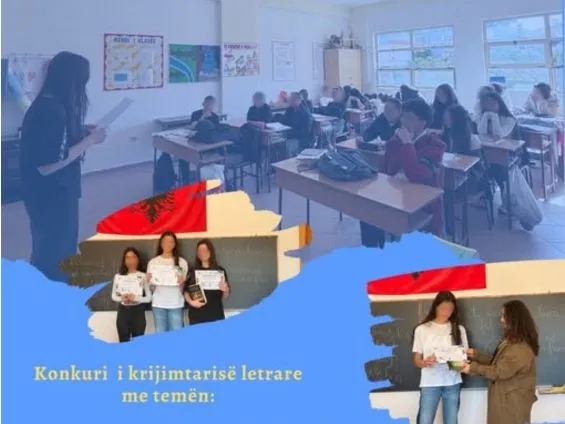
As part of the project “Empowering Youth Resilience through Human Rights Education and Prevention of Violent Extremism (PVE)”, implemented in rural Kavaja (June 2025–February 2026), a notable change emerged through the experience of Ardi, a 17-year-old secondary school student.
Read story → -
Story
Women Leading Change For Children in Kairouan
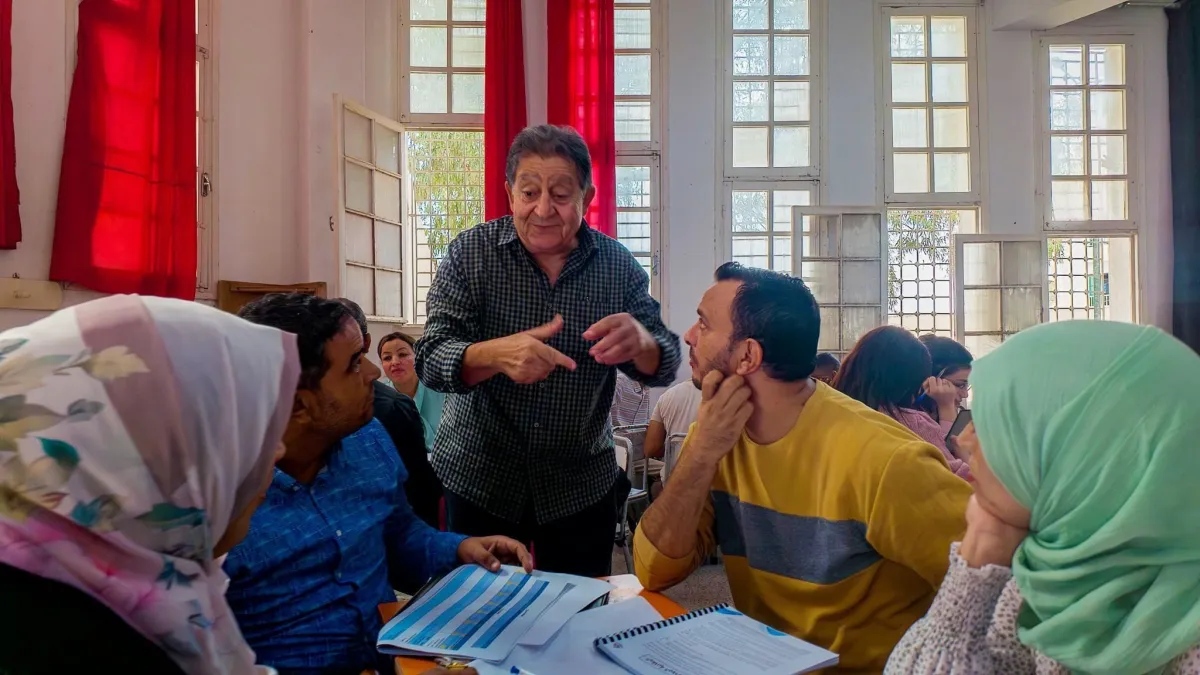
In Kairouan, the “Mon École Attractive, Ouverte et Inclusive” project turned early warning into early action — equipping women from the community to identify risks, support vulnerable children, and prevent school dropout and violence before they escalated, creating safer and more inclusive learning environments.
Read story → -
Story
A Child’s Path to Recovery: Aran’s Story
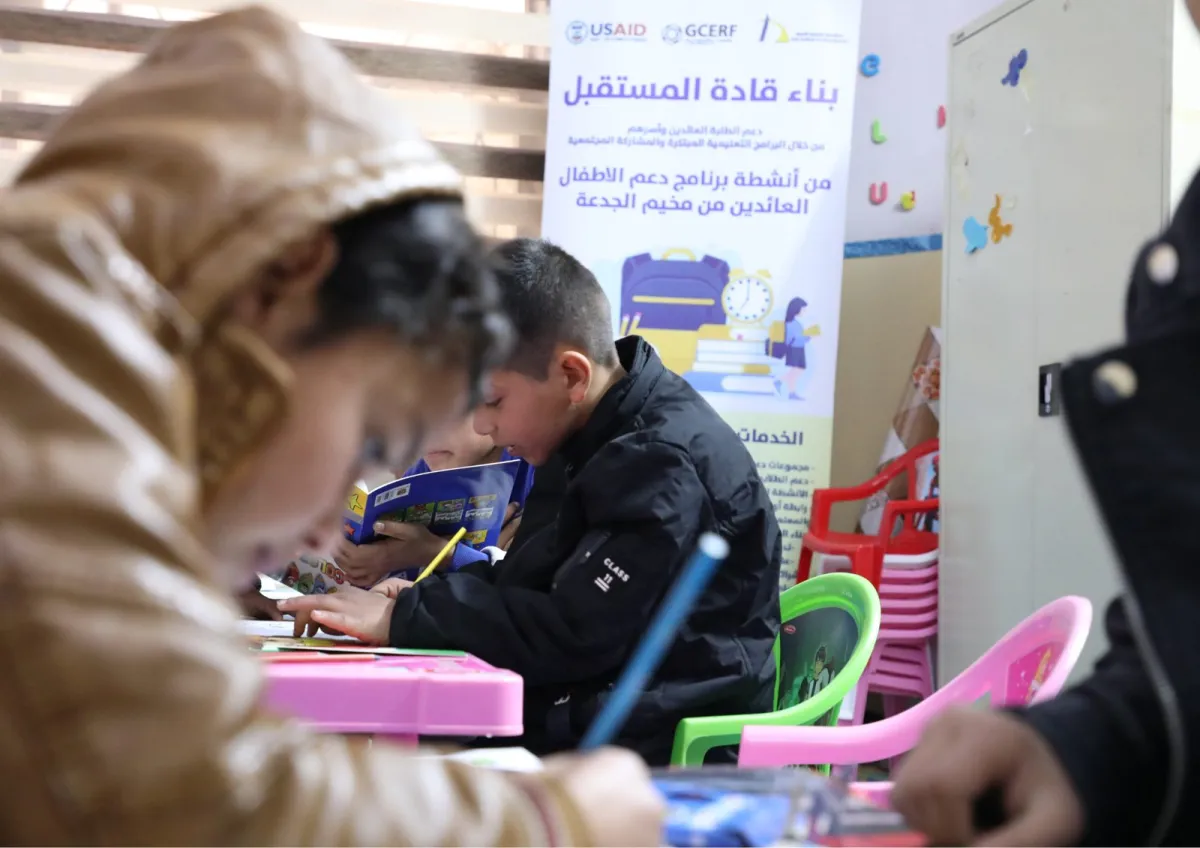
In Northeast Syria, GCERF’s investment partner, Salam for Hope Foundation, mobilised its team and resources as part of an emergency response to the mass displacement of people from conflict-affected areas in Aleppo, Raqqa, and Deir ez-Zor. The response also worked to strengthen local communities in preparation for future reintegration cases — reflecting GCERF’s whole-of-society approach to Preventing Violent Extremism (PVE).
Read story → -
Story
Bridging Narratives: A Story of Cultural Understanding
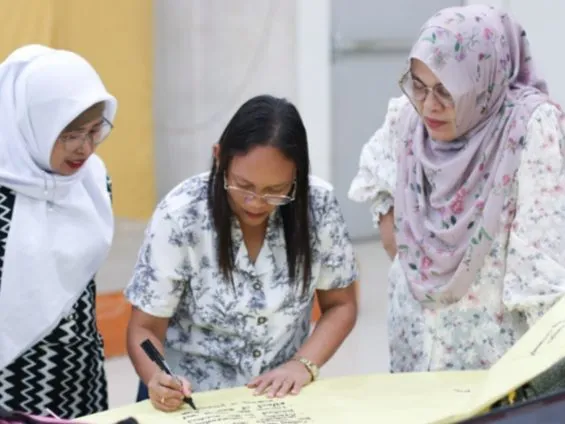
Through the Teach Peace Build Peace Movement (TPBPM), the Bangsamoro Gallery Exhibit is creating space for dialogue and cultural exchange between Bangsamoro youth and university students in the Philippines.
Read story → -
Story
Sergio’s Journey to Recovery and Opportunity
Through the MSICA Project, conflict-affected youth in Cabo Delgado are gaining the skills and support they need to rebuild their livelihoods — and with them, a sense of stability and belonging.
Read story → -
Story
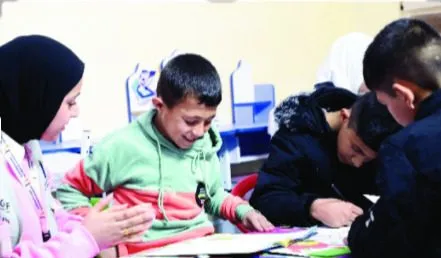
When Healing Looks Like a Drawing
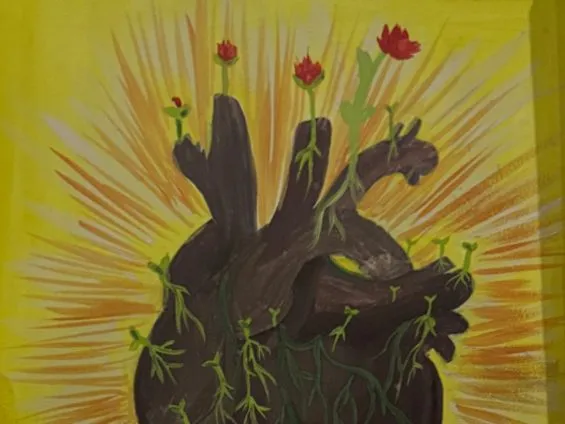
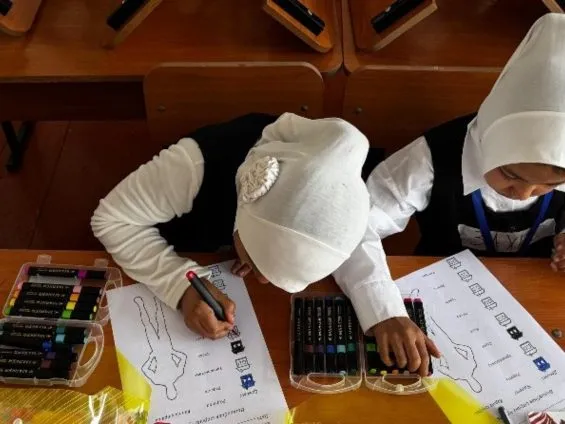
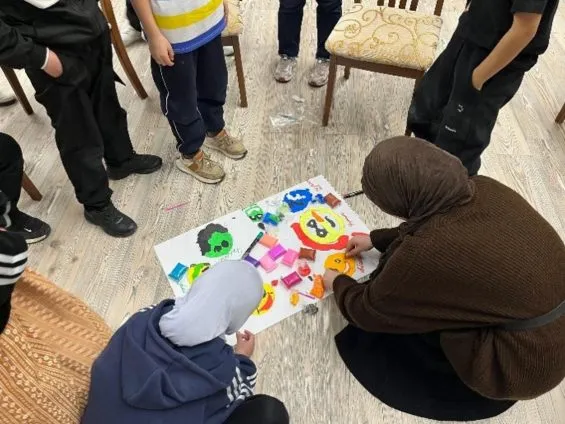
Through GCERF-supported MHPSS activities implemented by SOS Children’s Village in Kyrgyzstan, returning children from Northeast Syria are provided with safe spaces to express emotions, strengthen resilience, and rebuild a sense of belonging through creative approaches such as art-based therapy.
Read story → -
Story
Resilience Through Enterprise: Vatimetou’s Story
Through the SELAM programme, implemented by ECODEV, targeted livelihood support enabled Vatimetou Sidibé in Amourj, Hodh Ech Chargui, to strengthen her tichtar production, improve market access, and build a more sustainable source of income, contributing to women’s empowerment and community resilience.
Read story → -
Story
Supporting school reintegration In Issyk-Kul
Targeted educational, language, and psychosocial assistance has enabled three returned children in the Issyk‑Kul region to enter school, overcome language barriers, and integrate into their local community.
Read story → -
Story
Strengthening Resilience among women returnees
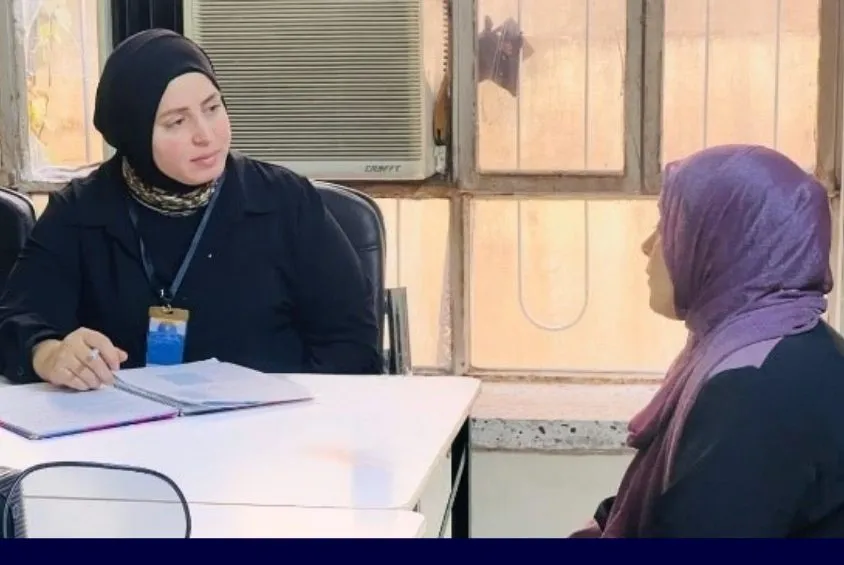
Targeted psychosocial and life skills support is helping a young woman repatriated from Iraq strengthen her understanding of rights, build trust, and plan for a more stable future for herself and her family.
Read story → -
Story
Amal’s Journey of Resilience and Independence
In early 2026, GCERF, through its partner Dream Organisation, supported a sewing vocational training programme in Anbar for people returning after years of displacement and uncertainty. The programme equips participants with practical skills to build small, sustainable businesses from home, turning hardship into hope and helping rebuild a more stable future for themselves and their families.
Read story → -
Story
Sahib Bisnis: A Pathway to Livelihood Stability
In early 2026, NPID supported the reintegration of a former detainee in Tamanjeka, Indonesia, through the Sahib Bisnis programme, combining vocational training, business capital, and ongoing mentoring to help him build a sustainable livelihood, strengthen community ties, and turn economic vulnerability into a pathway towards stability and self-reliance.
Read story → -
Story
Supporting returnee children in Kyrgyzstan
In Nookat District, Osh Region, a quiet but powerful transformation took shape, implemented by SOS Children’s Villages Kyrgyzstan with support from GCERF, as part of efforts to strengthen family stability and prevent violent extremism in vulnerable communities across Kyrgyzstan.
Read story → -
Story
Back to School: Restoring Hope in Aden
In Tawahi District, Aden, a remarkable transformation unfolded under the Social Justice Project, implemented by the Social Services Association and supported by Deem for Development as Yemen’s “Torchbearer” of the GCERF Carol Bellamy Leadership Award.
Read story → -
Story
Bilel’s Journey: Building Resilience
Growing up in a family living in extreme poverty, with a father living with a disability and no stable income, Bilel took on daily labour from a young age to help meet basic needs. In this fragile environment, he became vulnerable to the influence of an extremist group that gradually undermined his beliefs and sense of balance.
Read story → -
Story
Zainab’s Journey: From Trauma to Determination
Through its Mental Health and Psychosocial Support (MHPSS) programme in Iraq, IID, with GCERF’s support, accompanied Zainab’s journey from displacement and exclusion toward healing and opportunity — helping her overcome trauma, return to formal education after an 11 year interruption, and reclaim her dream of becoming a doctor.
Read story → -
Story
Ardit’s Story : Creating Safe Spaces for Youth
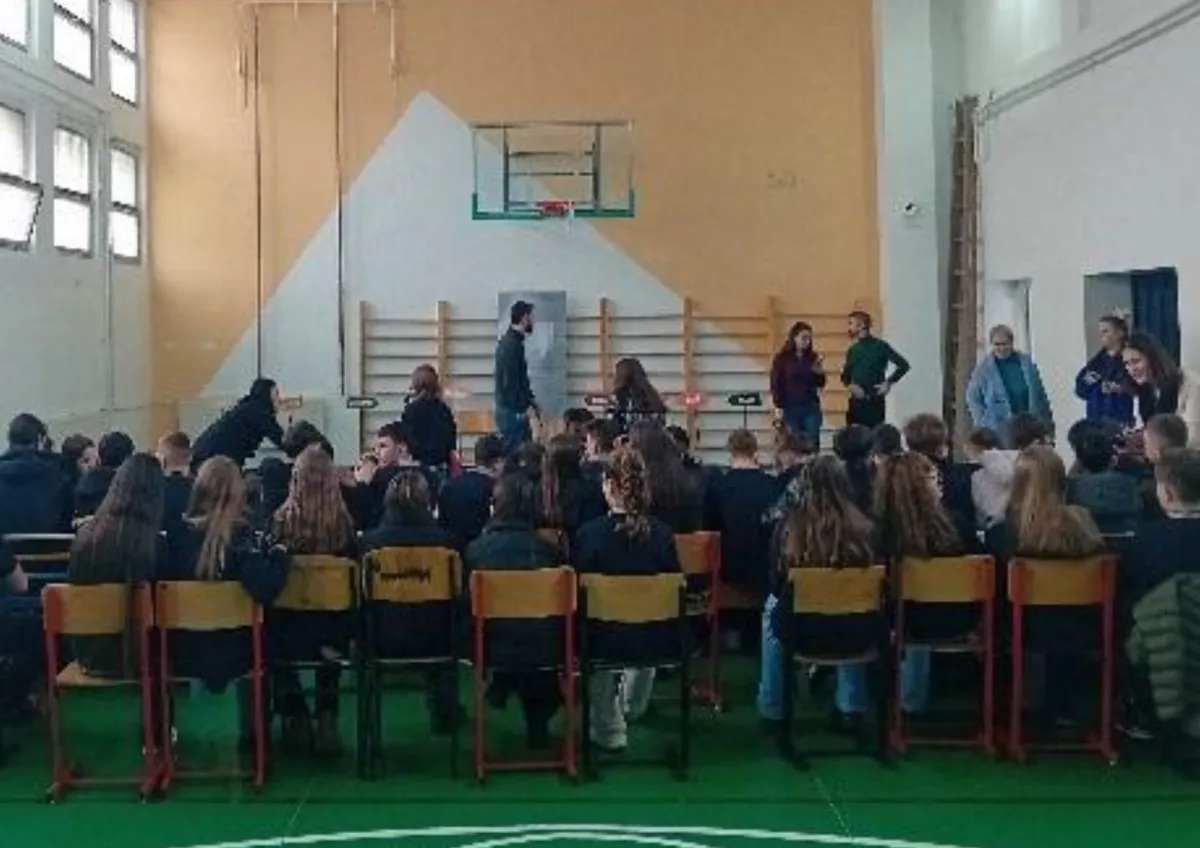
As part of a grassroots initiative by the Institute for Activism and Social Change (IANS), the “Liri Gero” 9-Year School in the Municipality of Fier implemented a programme to promote safe school environments and strengthen teachers’ and psychosocial staff’s capacity to support students at risk of social isolation or emotional distress.
Read story → -
Report
Legal Frameworks on Returning 'Foreign Terrorist Fighters'…
Explores international and domestic legal approaches to the repatriation of FTFs from camps in Syria.
Read report → -
Story
From Surrender to School: Sourbadjo’s Story
In 2023, GCERF launched the PAISRSIP project in Niger to support the demobilisation and reintegration of former members of non-state armed groups and their families — turning surrender into a pathway for education, livelihoods, and renewed hope.
Read story → -
Podcast
The Journey to Healing: Mental Health and Psychosocial…
Mental health and psychosocial support is one of the most important aspects of rehabilitation and reintegration. In this episode of Turning Points, host Isabela Ottoni is joined by three guests who bring very different perspectives. Together they explore why trust is the foundation of everything and why some of the most important mental health work is done not by psychologists alone but also by teachers, faith leaders, and neighbours.
Listen to episode → -
Press release
Netherlands, Switzerland, and GCERF Launch SAFE: A Landmark…
The Kingdom of the Netherlands, the Swiss Confederation, and the Global Community Engagement and Resilience Fund (GCERF) today officially launched SAFE: Schools Against Fragile Extremism in Tunisia, a pioneering programme to prevent violent extremism among children aged 6 to 12 by transforming primary schools into safe, supportive, and resilient community hubs…
Read story → -
Goobjoog News
-
Dunyo.info
-
O'zbekiston Milliy Axborot Agentligi
-
Report
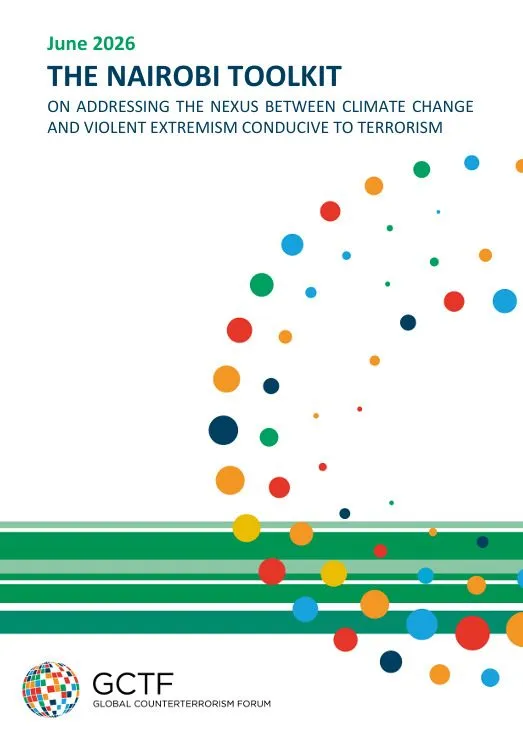
The Nairobi Toolkit on Adressing the Nexus between Climate…
Explores how climate change can intensify conditions exploited by VE groups, while providing guidance on prevention.
Read report → -
Report
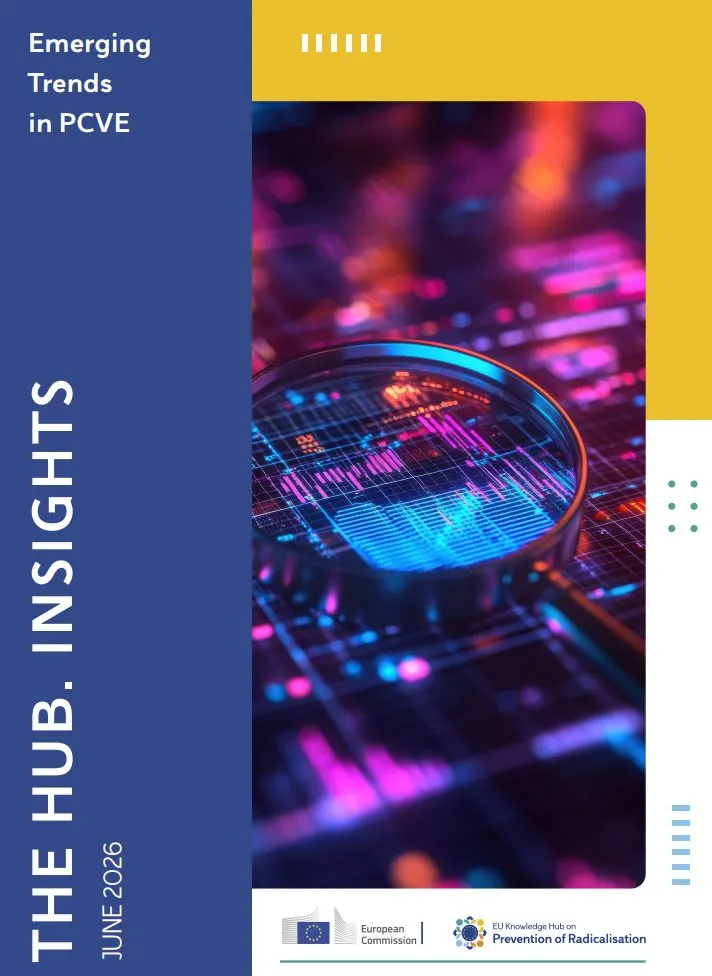
The Hub. Insights : Emerging Trends in PCVE
Examines emerging trends in PVE, focusing on digital radicalisation, online propaganda, and early intervention strategies.
Read report → -
GNET
-
Podcast
The Journey Before the Journey
In this episode, GCERF's Mona El-Wali is joined by Kim Saado, GCERF's National Advisor for Syria, and Jeyana Ahmad, Programme Manager at Salam for Hope Foundation, GCERF's implementing civil society partner in Syria, to explore a critical and often unseen moment in the rehabilitation and reintegration process: the time before a family leaves a camp in northeast Syria. They discuss what pre-departure preparation really means in practice, and the psychological, legal, and practical steps that must happen before return.
Listen to episode → -
Report
Building Trust in Rehabilitation and Reintegration through…
Recommendations on how Communications can help build trust and transparency in R&R.
Read report → -
Report
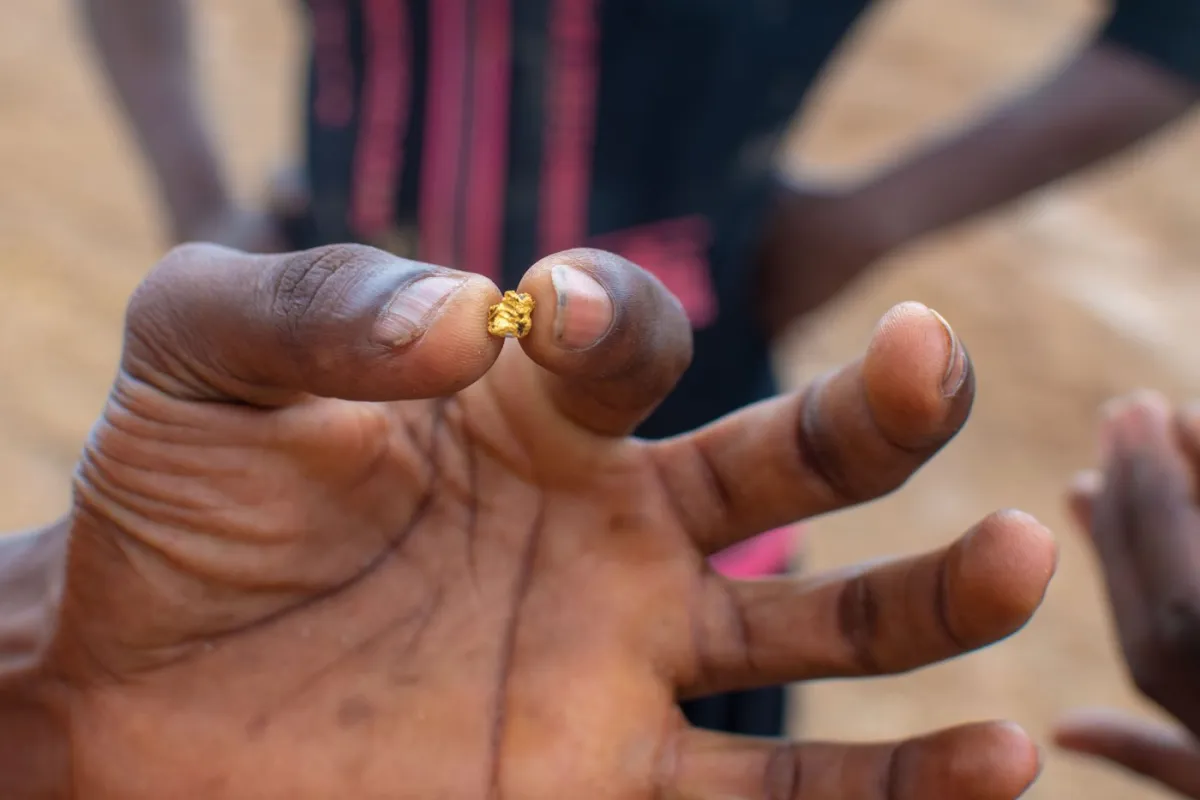
The Shadow of Galamsey: A Security Perspective on Illegal…
Examines illegal artisanal and small-scale gold mining, or galamsey, as an emerging security risk in Ghana.
Read report → -
BIRN
-
Podcast
Rehabilitation and Reintegration in Iraq, Syria, and Yemen —…
In the first episode of Turning Points, GCERF's Lilla Schumicky-Logan, Deputy Executive Director, sits down with Hatem Shatnawi, Regional Manager for Iraq, Syria and Yemen, and Tariq Hasan, National Advisor for Iraq, to discuss what rehabilitation and reintegration really looks like on the ground, the challenges of working in conflict-affected settings, and why community-led approaches are essential.
Listen to episode → -
Le Temps
-
CDD Ghana
-
A1 Radio
-
Faso Observateur
-
Faso Observateur
-
Story
Bridging Voices: Building Trust in Ghana
In 2024, GCERF partnered with CDD-Ghana in Ghana to support initiatives focused on strengthening livelihoods and providing start-up certification for vulnerable populations, expanding inclusive access to public services through advocacy and civic engagement, and reinforcing traditional conflict prevention and resolution mechanisms.
Read story → -
PassBlue
-
Press release
GCERF Marks International Day for the Prevention of Violent…
The Kyrgyz Republic and GCERF mark the International Day for the Prevention of Violent Extremism as and when Conducive to Terrorism with the official launch of GCERF’s Global Strategy 2026–2029, reaffirming a shared commitment to address the root causes of radicalisation and recruitment by violent extremist groups…
Read story → -
Press release
Международные партнеры дополняют усилия Узбекистана по…
Узбекистан укрепляет свои возможности по безопасной реинтеграции лиц, возвращающихся из зон конфликта, с финансовой и стратегической поддержкой Европейского Союза через его Службу инструментов внешней политики (FPI). Трехлетняя программа «Уголовное преследование, реабилитация и реинтеграция» (PRR) ориентирована на возвращенцев из Ирака и северо-восточной Сирии…
Read story → -
Press release
International Partners Strengthen Uzbekistan’s…
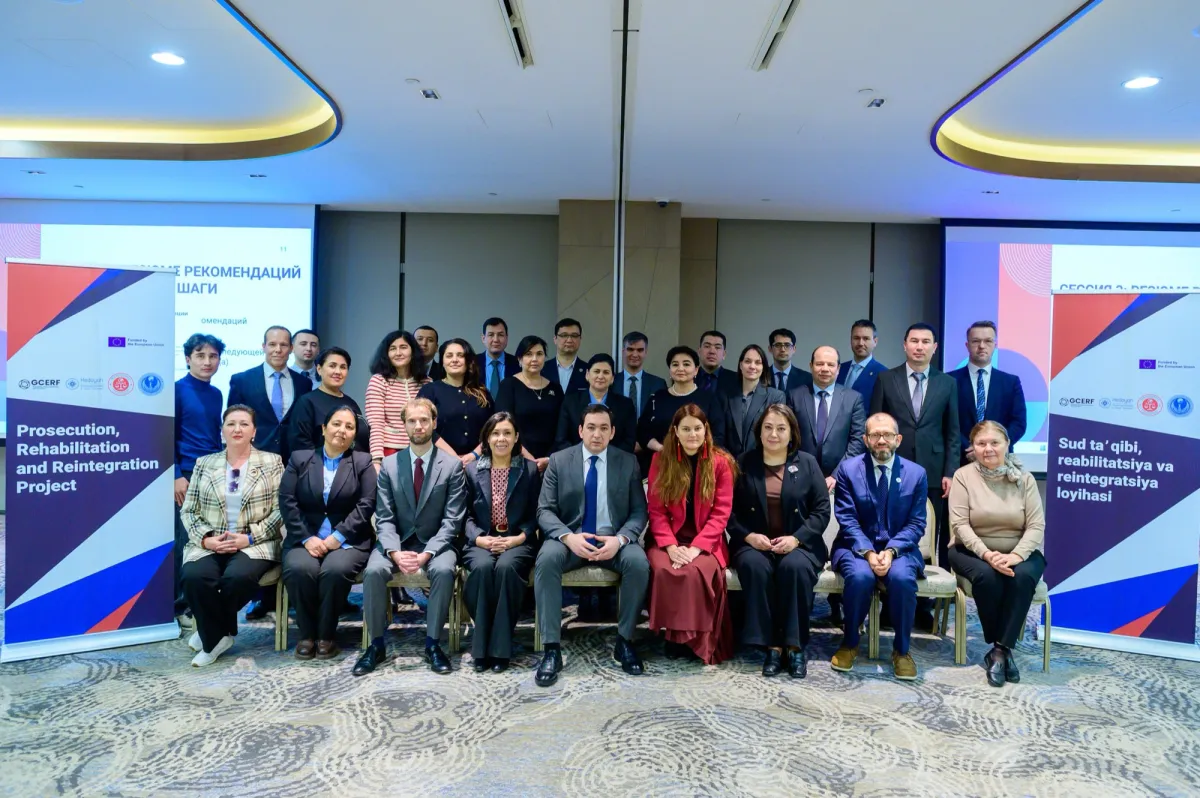
Uzbekistan is strengthening its capacity to safely reintegrate individuals returning from conflict zones, with financial and strategic support from the European Union through its Foreign Policy Instrument (FPI). The three-year Prosecution, Rehabilitation, and Reintegration (PRR) program me focuses on returnees from Iraq and Northeast Syria…
Read story → -
BIRN
-
Mondiaal Nieuws (MO*)
-
Devdiscourse
-
ARY News
-
Yahoo News
-
U.S. News & World Report
-
Al-Monitor
-
The Straits Times
-
Reuters
-
The Washington Institute
-
MEMRI
-
Africa Newswire
-
CNBC Africa
-
Arab News
-
Uzbekistan Daily
-
This Day (Nigeria)
-
pressclub.be
-
Ghana News Agency
-
Story
Empowering Tibesti’s youth against violent extremism
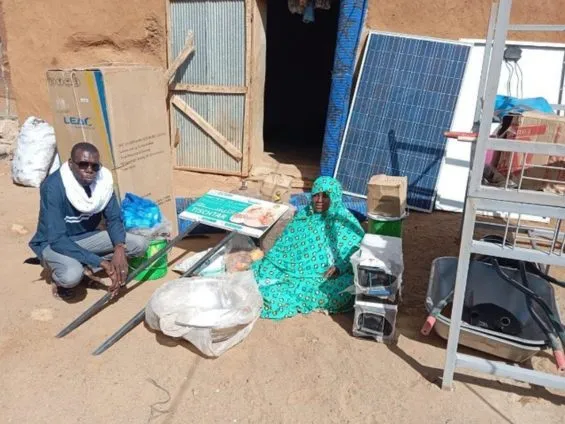
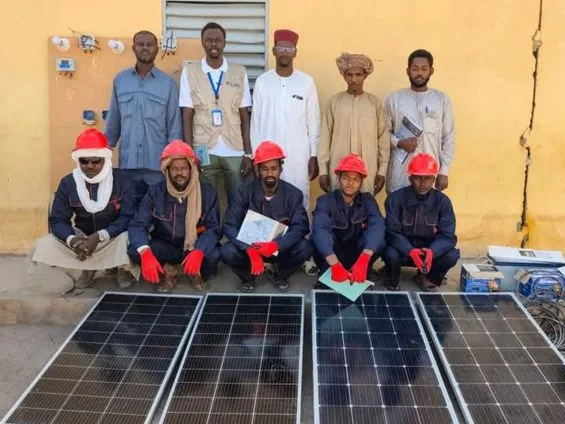
Tibesti, a remote and underdeveloped region in the North of Chad shares borders with Libya where the presence of Daesh group and its porous borders pose a threat to the peace and stability in the region. Limited access to education, economic opportunities and vocational skills leaves young people particularly vulnerable to recruitment by Daesh. This vulnerability is amplified by Tibesti’s history of youth involvement in rebel movements as well as their exposure to small arms and illicit activities such as smuggling, drug trafficking and human trafficking. Together, these factors create fertile ground for terrorist groups seeking to exploit disenfranchised youth and destabilise the region.Youssouf Issa, a young individual in Bardai (Tibesti region) is one among the unemployed individuals who is exposed to violent extremist rhetoric and remains vulnerable to recruitment by terrorist groups. “Sometimes I would listen to people saying that our situation would never change, that we had to fight against it.one way or another,” said Youssouf to our civil society partner ATAHS.In this backdrop, ATAHS, one of GCERF-funded civil society organisations in Chad, implements a programme targeting vulnerable youth like Youssouf and trains them in economic and entrepreneurial skills to strengthen their resilience against radicalisation. Youssouf participated in the training and learnt the installation and maintenance of photovoltaic systems, a rare but crucial skill in this neglected region.“The first time I held a screwdriver, I was nervous. But little by little, I realised I could do it.”At the end of the training, Youssouf received a complete solar kit, ready to help him start a business. He was also integrated into a local solar energy workshop, which enabled him to start offering his services around Bardai. Today, although his beginnings remain modest, Youssouf feels that he has changed course. He has already started helping other young people, and his first act was to install a solar panel in his neighbourhood.“Before, I felt useless. Now I have a skill, I earn a little money, and above all, I have found my place,” said Youssouf.Youssouf’s journey is a reminder that when young people are given the chance to learn, to work, and to belong, they become powerful drivers of peace rather than targets for extremism. His journey shows that resilience is built one young person at a time and that empowering youth is not merely prevention, but the foundation of long-term stability in Tibesti.
Read story → -
Story
Turning Risk into Opportunity: A Young Technician’s Path to…
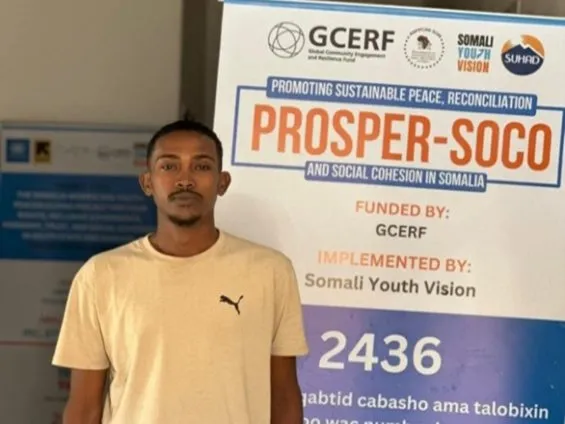
At 22, Mohamed from Baidoa embodies resilience, transformation, and hope. After dropping out of school in Grade 8, Mohamed came close to being drawn into an extremist group at 17. Witnessing the arrest of close friends, he courageously chose a different path. Fearing for his safety, he briefly relocated to Mogadishu before returning home, determined to rebuild his life.
Read story → -
Story
From Doubt to Digital Success: Empowering Youth Against…
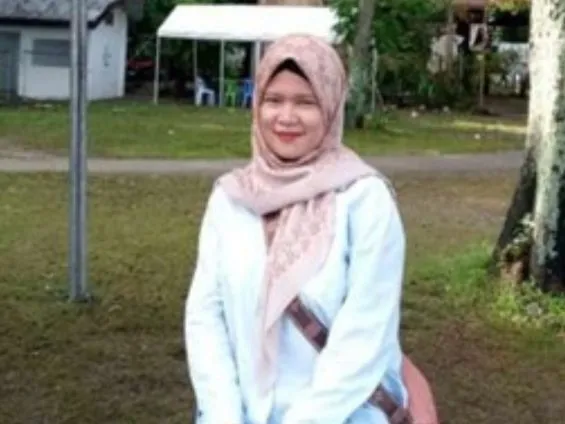
Satria, an out-of-school youth from Mamasapano, Maguindanao del Sur, joined the Elevate AIDA training hoping to gain new skills and explore online work opportunities. What she did not expect was how profoundly it would change her mindset, confidence, and future prospects – all of which contribute to reducing vulnerability to violent extremism.
Read story → -
Story
From Fear to Freedom: Rebuilding Life After Extremism
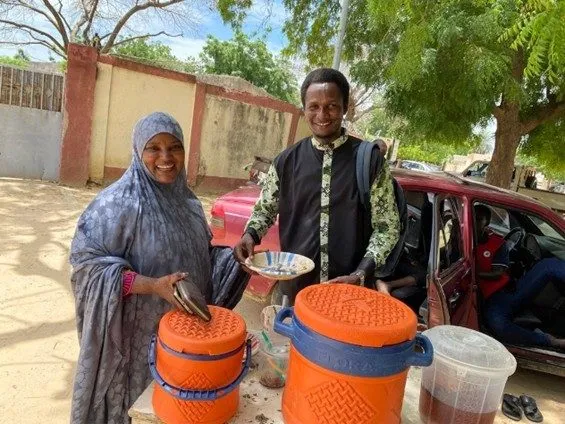
Hadjiya, 39, is a mother of six from Niamey, Niger. At 18, she moved to Diffa to live with her sister, married to a police officer. There, she met the man who would become her husband. He appeared wise and well connected, with business partners in Chad, but she knew little about his real activities.When Boko Haram’s influence surged in Diffa, Hadjiya discovered the truth: her husband was a member of the extremist group. By then, it was too late for her to leave safely. As authorities intensified efforts to identify those linked to violent extremist networks, her husband persuaded her to follow him to a forest near Lake Chad to join a local Boko Haram leader.Hadjiya spent eight difficult years living under constant threat, from security operations to rival factions. Life was extremely precarious: no clean water, no healthcare, little food. She witnessed the deaths of many pregnant women due to the absence of medical support. Her mother-in-law repeatedly urged them to return home, but her husband refused.When the Nigerien government announced an amnesty for those who voluntarily surrendered, her husband finally agreed to escape. The family fled together, but on the way, they were intercepted by fighters, who kidnapped one of their daughters. Her husband fled to Nigeria, while Hadjiya managed to return to Diffa with her remaining children, where they were received by the authorities and enrolled in the GCERF-funded PAISRSIP programme.Through the project, Hadjiya participated in judicial profiling, deradicalisation sessions, and psychological support, crucial steps in rebuilding trust, resilience, and social reintegration. After receiving her certificate of exemption from prosecution, she and other former associates of extremist groups were supported to restart their lives through tailored income-generating activity kits and career guidance.Hadjiya chose to launch a ready-to-wear clothing business. Today, her enterprise has grown steadily, enabling her to earn a reliable income and diversify into selling incense and food near the Diffa Governor’s Office. She now saves regularly and contributes to a neighbourhood tontine of 20,000 CFA francs each month.Hadjiya’s journey shows the transformative impact of community-based reintegration and preventing violent extremism (PVE) support. With stability, economic opportunity, and tailored psychosocial assistance, she and her children have rebuilt their lives and broken the cycle of violent extremism.
Read story → -
Report
The Cubs of the Caliphate: Why Repatriation and…
The article presents an overview of the situation in the camps, drawing on GCERF's work and experience.
Read report → -
Global Times
-
Tchadinfos
-
BusinessMirror
-
New Telegraph Nigeria
-
Philippines News Agency
-
EU Reporter
-
Chronicle.lu
-
Ministry of Foreign Affairs of Japan
-
The Star (Kenya)
-
Nigerian Tribune
-
Premium Times
-
Story
The Cubs of the Caliphate Live on (Syria)
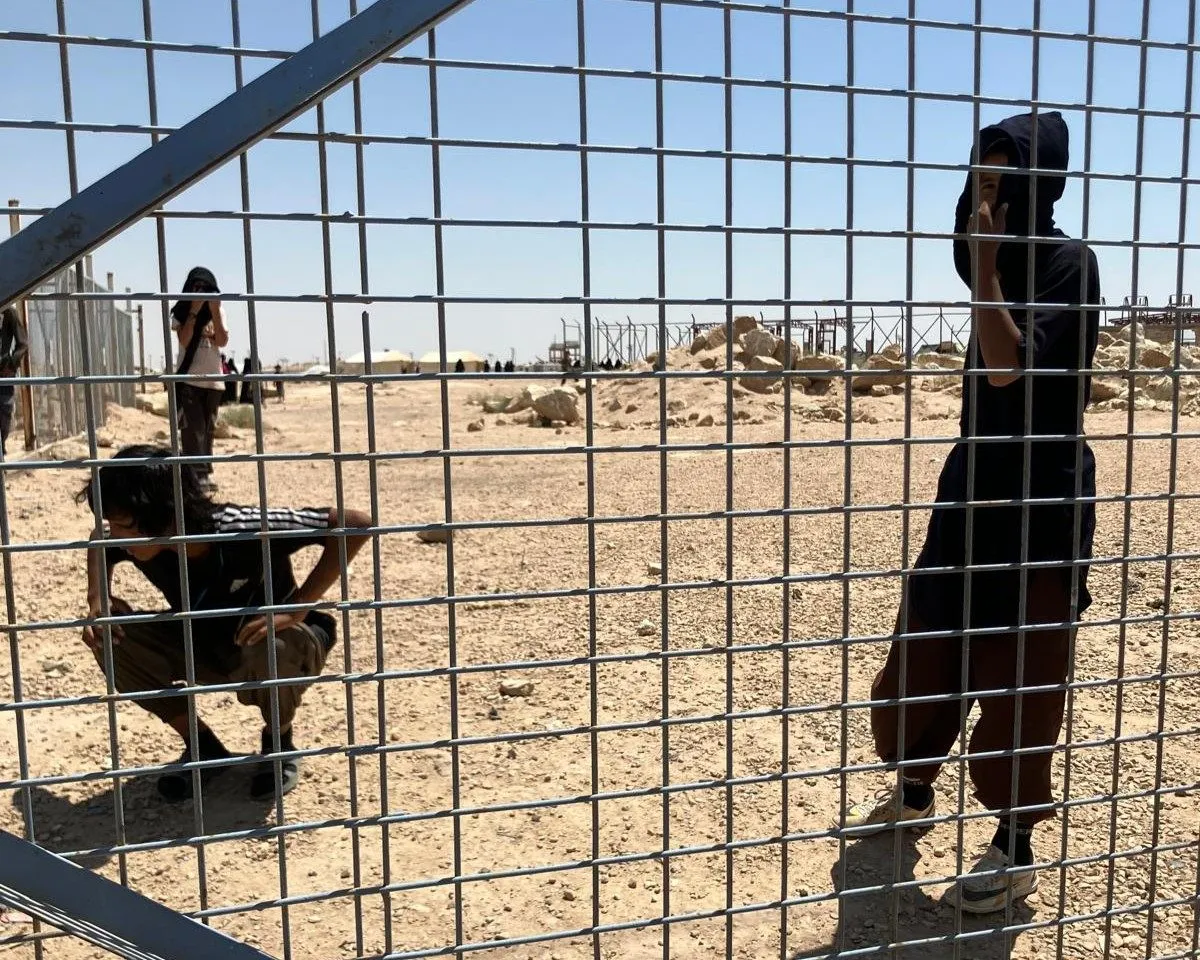
I climbed in and out of our van to pass through the eight checkpoints that led to Al Hol, the notorious camp where women and children associated with the deadliest terror group, ISIS, are detained. The environment is unkind. It is situated in a stone desert far from any bigger urban settlement. The landscape is occasionally dotted with oil pumps and has no vegetation. At 11 AM, the temperature soars to 52 degrees Celsius, no shade, just dust and blazing sun.The many kilometres-long white-blue fence appears from far. I notice the first women who are covered head to toe, including gloves, thick black abayas, and full-face veils, battling with the elements of Mother Nature. It is hard to breathe, and dust fills our lungs as we descend to meet the camp administration. Few know, but in Syrian Kurdistan, civil servant leadership positions are shared between men and women, and as such, they co-lead. Clearly, they take gender equity seriously.
Read story → -
Gulf Times
-
Story
Jamil’s Story: A Father’s Commitment to His Children’s…
Jamil, a father of six, returned to West Mosul carrying the emotional and economic weight of years spent in displacement. His journey took him and his family through Al-Hol and Al-Jada camps, spaces often associated with trauma, deprivation, and the lingering legacy of the Islamic State in Iraq and Syria (ISIS) control.
Read story → -
Story
A Glimpse into What’s Missing: Children’s Voices from the…
As part of the “Prospero” Programme, the Community Development Fund launched a series of creative, interactive extracurricular activities aimed at children aged 10–14 from underserved communities. These activities included theatre-based workshops, storytelling circles, team-building games, and guided discussions on emotions, values, and friendship, all designed to create a safe, expressive space for children to learn, share, and connect.
Read story → -
Story
Restoring Family Bonds and Preventing Vulnerability…
Murad, a 15-year-old boy from rural Siliana, Tunisia, grew up amid loss and hardship. After his mother’s death, he became the sole caregiver for his ill grandfather, shouldering responsibilities far beyond his years. Isolated and emotionally strained, his relationship with his father broke down, leading to emotional neglect and eventually dropping out of school.
Read story → -
Story
The Power of Digital Peace Messaging (Somalia)
Mahamed, 21 years old, had always been active on social media, using his platforms to share music clips and sports content. Living in a village near Baidoa that has experienced radicalisation attempts by Al-Shabaab, he was aware of how easily youth could be misled by online misinformation and extremist propaganda.
Read story → -
Story
From Fear to Security: How Community Policing Transformed…
For years, Dutsinma Local Government Area in Katsina State, Nigeria was plagued by banditry. Residents lived in constant fear, unable to sleep at night, as violent extremist groups launched repeated attacks, displacing families and destabilising daily life.
Read story → -
Story
The story of Yusuf, A Former Boko Haram fighter (Niger)
Yusuf, a 22-year-old individual from the commune of Bosso in Niger became a Boko Haram fighter at a very young age and lived with the group for over 10 years.
Read story → -
Story
From Uncertainty to Opportunity: Mariam’s Path to…
Mariam, 25, lives in the village of Diogountourou, in the Khabou department, Mauritania. After leaving school early and experiencing a short-lived marriage, Mariam returned to live with her parents, uncertain about her future.
Read story → -
Story
New Beginnings After Conflict: A Returnee Mother Rebuilds…
In November 2024, a 47-year-old Kyrgyz woman was repatriated from Syria after spending seven harrowing years in a conflict zone, including time in detention. She returned to Kyrgyzstan with her five biological sons (aged 20, 12, 10, 9, and 8) and her 16-year-old niece, seeking a fresh start after enduring profound personal loss and trauma.
Read story → -
Story
Tullu Roba: Restoring Security Through Dialogue and…
Before November 2024, the village of Tullu Roba in East Division, Wabera Ward (Kenya), was facing a worrying decline in security and community cohesion. Residents reported a spike in petty theft, growing drug and substance abuse and a marked drop in school attendance, with many youth loitering aimlessly instead of pursuing education or employment. In communities like Tullu Roba, idle and disconnected youth are often prime targets for recruitment by extremist groups.
Read story → -
Story
Voices of Hope: Majina’s Role in Healing Divides (Sri Lanka)
Majina, a 31-year-old woman from a small village in Ampara District, grew up in a predominantly Muslim community with limited exposure to people from other ethnic or religious backgrounds. Her conservative family often spoke about the wrongs committed by Sinhala Buddhists, especially during incidents of communal violence such as the 2018 Digana violence. This led to a deep mistrust of other communities, particularly Sinhala Buddhists. “I didn’t know how to interact with others from outside my community. It wasn’t because I didn’t want to, it’s just that, because of everything I was told, I no longer had the confidence,” Majina recalled.
Read story → -
Story
From Vulnerability to Resilience: Abdelkader’s Journey…
At just 24 years old, Abdelkader was on the brink of being recruited by informal groups promoting violent extremist ideologies. Frustrated by persistent barriers to employment, strained inter-community relations, and a life marked by instability and personal trauma, Abdelkader experienced a deep sense of powerlessness and anger. These factors made him particularly vulnerable to radicalisation. The violent extremist groups continue to exert a strong influence over disillusioned youth like Abdelkader.
Read story → -
Story
Drissa’s Story: From Fear to a Future (Burkina Faso)
“My name is Drissa, I am 12 years old and I come from the village of Tomba. I was in CM1 (4th grade) when everything changed. One day, while we were in class, armed men arrived on motorcycles. Our teacher told us to hide under the desks. I thought I was going to die. They gave us an ultimatum. After they left, we had no choice but to flee the village.”
Read story → -
Report
Working with Returnees from Northeast Syria and Iraq
Recommendations to practitioners and partner governments interested in pursuing reintegration processes.
Read report → -
Press release
GCERF Mourns the Loss of Civil Society Partners in…
The Global Community Engagement and Resilience Fund (GCERF) expresses its deepest condolences to the families, friends, and colleagues Mohamed El Bechir Ould Cheikh El Hadi Ould Seyid, President of the Mauritanian civil society organisation Bienfaisance Sans Frontières (BSF), and four BSF team members who tragically lost their lives in a road accident near Chegar, Brakna region, Mauritania…
Read story → -
Story
Rebuilding Lives Beyond the Camps in Syria
One afternoon in the month of April 2025, I had lunch with three boys who were born eight years ago in the Al-Hol camp in Northeast Syria. Al-Hol camp is a dire and bleak place where thousands of family members of the Islamic State in Iraq and Syria (ISIS) fighters live. Their mothers come from Yathrib, the last town in Iraq to be overtaken by ISIS and the first town to be liberated.
Read story → -
Story
From a camp in Syria to a classroom in Iraq: Praa’s journey
While some would label her as a “Daesh kid”, 17-year old Praa’s story is one of justice, empathy, personal connection, hope and resilience. I met Praa during a visit to GCERF-supported reception centre for returnees in Balad, Iraq. I travelled there to see firsthand how our civil society partners are helping Iraqis who have returned from detention camps in Northeast Syria.
Read story → -
Story
Women in the lead: Training Nairobi’s Boda-Boda Drivers in…
“I sleep well knowing that I actually give information that could save people,” says Hajad Sonosi, a ‘Champion’ in the Prevention of Violent Extremism (PVE) in Kibera, Nairobi, trained through the ARIVE project run by the civil society organisation Youth, Arts, Development and Entrepreneurship Network (YADEN). “And some will actually take it further to tell other people—there are so many people who are vulnerable.”
Read story → -
Story
Peace Ambassadors to Rebuild Trust and Restore Hope
In Mozambique, a few women and youth had to abandon their villages and community because of violent extremist groups. Maria is one such person who left her community, as she had to bear the consequences of her sons joining violent extremist groups.
Read story → -
Story
Addressing Food Insecurity to Prevent Violent Extremism: A…
In Mali, economic hardship and food insecurity do not just cause suffering, they create fertile ground for violent extremist groups to exploit. When families struggle to feed themselves, when they feel abandoned and voiceless, they become more vulnerable to radicalisation. Extremist groups often capitalise on these struggles, offering food, money, and a false sense of belonging in exchange for allegiance.
Read story → -
Story
Sustainable Programmes in Bangladesh
Bangladesh became the first country to transition away from GCERF grant funding in 2024, in agreement with the Government of Bangladesh. GCERF supported the government’s whole-of-society approach to preventing violent extremism for nine years, contributing to Bangladesh’s exit from the top 30 countries in the Global Terrorism Index.
Read story → -
Press release
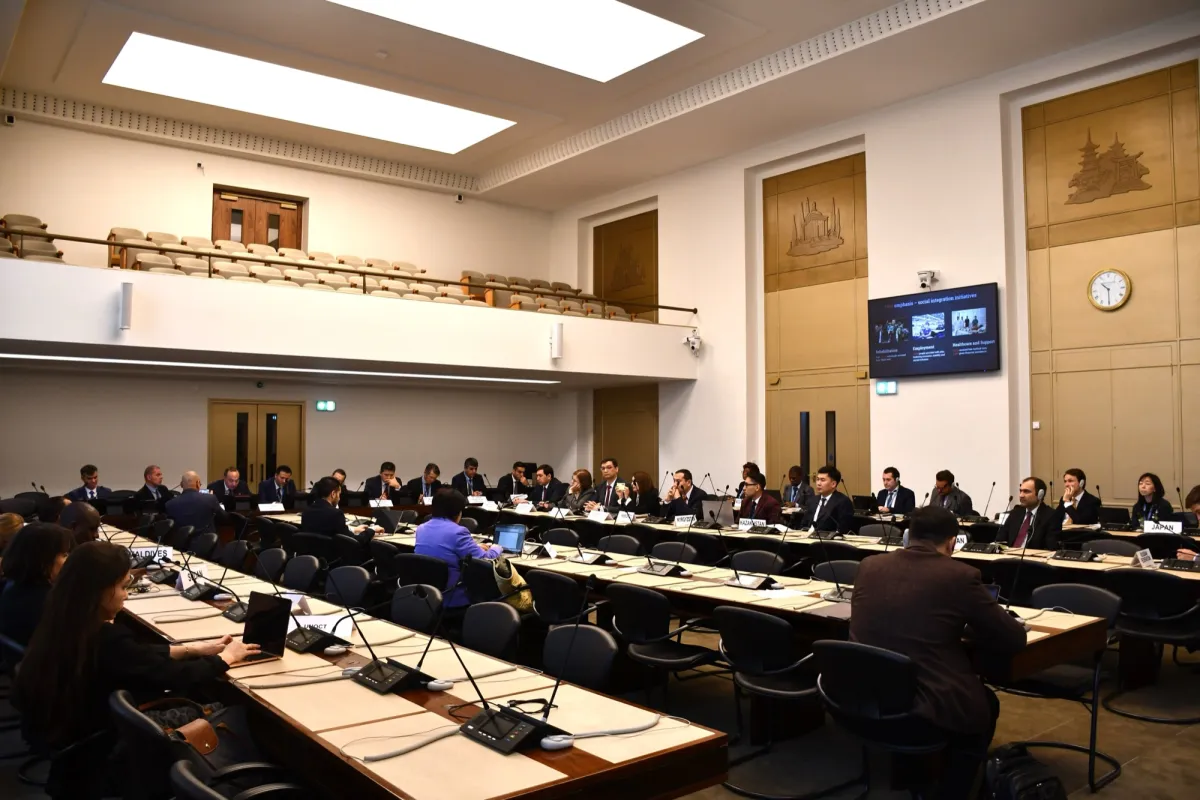
GCERF and local civil society partners celebrate…
12 February acts as a reminder to governments and civil society organisations to continue their efforts in building resilience and investing in the prevention of violent extremism…
Read story → -
Story
Mothers of Nairobi
The Nairobi neighborhood of Majengo is considered a hotspot for radicalisation efforts by violent extremist groups. Maimouna’s father and uncle left for Somalia and have not been heard from for several years. Like many other women, stigma in the community and scrutiny by Kenyan authorities has made life difficult for her family. Mothers of Nairobi, a YADEN East Africa’s inSOLIDARITY project supported by a grant from GCERF to the organisation Act Change Transform (ACT!), trains young women to be champions against violent extremism through mentorships.
Read story → -
Story
Skills Training for Youth in Nigeria
In Nigeria, unemployment is one of the drivers of radicalisation and recruitment by extremist groups. With support from GCERF, the Murna Foundation offered job training to unemployed youth in Funtua, These trainings have provided better alternatives to the false promises offered by the extremist groups. Nigeria. Since 2016, GCERF has invested USD 12.5 million to support civil society organisations like the Murna Foundation which are working to prevent violent extremism.
Read story → -
Story
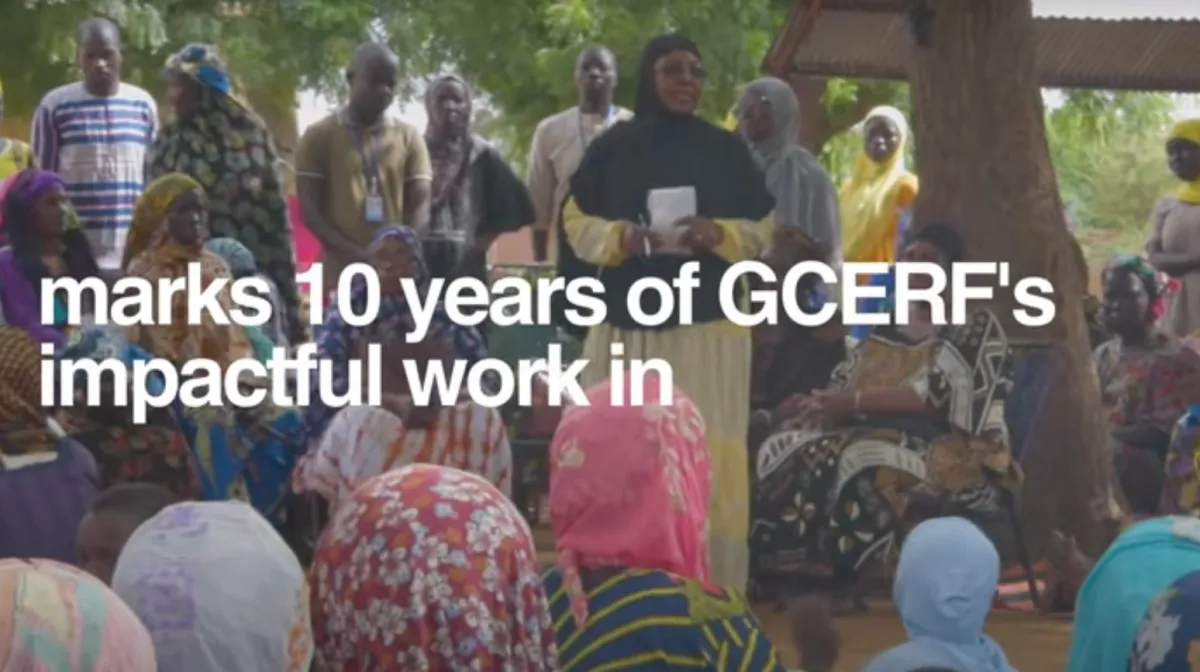
10 years of GCERF – 10 insights
GCERF was launched on September 9, 2014 as the first multilateral pooled fund to support local, community-level initiatives working to build resilience against violent extremism around the world. Today, a decade later GCERF remains the only global grant-making organisation providing core funding to organisations in fragile and conflict-affected states and others where the risk of violent extremism is highest. To mark our first ten years, GCERF is proud to share ten of the unique insights gained over the past decade, and we congratulate all our civil society partners around the world, working to make their communities and societies safer and more peaceful.
Read story → -
Story
Bangladesh Sustainability Summit 2024
In 2024, Bangladesh became the first country to transition away from GCERF grant funding. At a high-level Sustainability Summit in Dhaka, Bangladesh, representatives of the Global Community Engagement Fund (GCERF), the Ministry of Foreign Affairs, and grantee organisations Young Power in Social Action (YPSA) and Rupantar jointly marked the transition of funded programmes to a self-sustaining model going forwards, for activities to prevent violent extremism.
Read story → -
Story
Cercles d’Ecoute: Safe Spaces against domestic violence in…
For both men and women, witnessing ongoing domestic violence may normalise it, inuring them to violence as a ‘way of life’ at home, within societies, or carried out by global extremist movements. Furthermore, in the absence of any mitigating effort or psychosocial support, traumatic life events can create a vicious cycle and may drive individuals towards radicalisation especially when compounded by a sense of hopelessness, anger, or fear of harm.
Read story → -
Story
Meet Nurjamal
“Every child is unique, with their own dreams and needs. Reintegrating them into society is a social priority and a preventive measure against violent extremism. We must work with the community to create sustainable solutions to support these children and break the cycle of stigma” says Nurjamal when asked about her vision and the impact of her work.
Read story →
Explore more
-
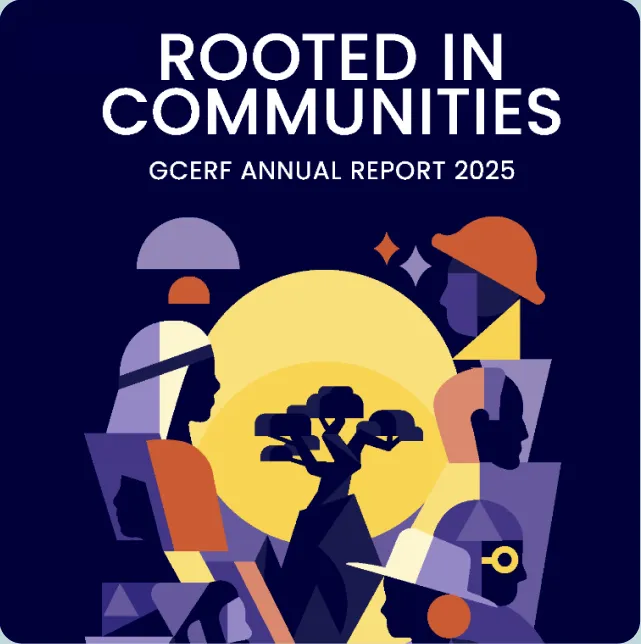
Annual report
Rooted in communities
Our most recent annual report documents GCERF’s results, investments, and impact across all countries and programmes in 2025.
Read report → -
Podcast
Learning, Earning and Belonging: Pathways to Reintegration
In this episode of Turning Points, host Basile Ema Ebede, GCERF’s Regional Manager for South-East Asia, is joined by Aisah Ponce Macabuat, Project Manager at ECOWEB Philippines, to explore how education, vocational training and livelihood development can support rehabilitation and reintegration.
Listen to episode → -
Report
Mental Health and Psychosocial Support in Rehabilitation and…
Recommendations on integrating MHPSS into R&R programmes, drawing on country-level experiences and practical lessons.
Read report → -
Podcast
The Role of Faith Leaders and Youth in Deradicalisation and…
Faith leaders can be among the most trusted people in a community. But what happens when that trust is brought into the work of rehabilitation and reintegration? In this episode of Turning Points, host Samhita Ayaluri explores how faith leaders and youth actors can contribute to preventing violent extremism, and building stronger, more resilient communities.
Listen to episode → -
Story
From Football Fields to Safe Spaces: Building Youth…
In Garbatulla Sub-County, Isiolo, at-risk youth once had nowhere to turn – No structured support to protect them from the pull of violent extremism. That began to change when RPPL’s GCERF-supported SIRR programme found a powerful ally in Abduba, a respected youth leader and chairperson of the local football federation.
Read story →