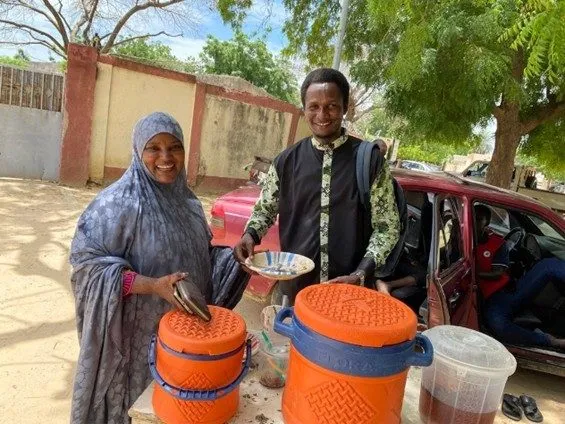
Hadjiya, 39, is a mother of six from Niamey, Niger. At 18, she moved to Diffa to live with her sister, married to a police officer. There, she met the man who would become her husband. He appeared wise and well connected, with business partners in Chad, but she knew little about his real activities.
When Boko Haram’s influence surged in Diffa, Hadjiya discovered the truth: her husband was a member of the extremist group. By then, it was too late for her to leave safely. As authorities intensified efforts to identify those linked to violent extremist networks, her husband persuaded her to follow him to a forest near Lake Chad to join a local Boko Haram leader.
Hadjiya spent eight difficult years living under constant threat, from security operations to rival factions. Life was extremely precarious: no clean water, no healthcare, little food. She witnessed the deaths of many pregnant women due to the absence of medical support. Her mother-in-law repeatedly urged them to return home, but her husband refused.
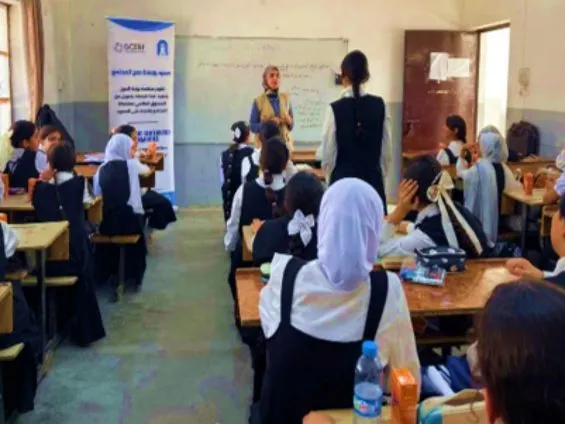
When the Nigerien government announced an amnesty for those who voluntarily surrendered, her husband finally agreed to escape. The family fled together, but on the way, they were intercepted by fighters, who kidnapped one of their daughters. Her husband fled to Nigeria, while Hadjiya managed to return to Diffa with her remaining children, where they were received by the authorities and enrolled in the GCERF-funded PAISRSIP programme.