Dr Khalid Koser is the founding Executive Director of the Global Community Engagement and Resilience Fund (GCERF), the global fund dedicated to preventing violent extremism. He is Professor of Conflict, Peace, and Security at the University of Maastricht. Khalid was appointed MBE for services to asylum seekers and refugees, chaired the World Economic Forum Global Future Council on Migration, and served as editor of the Journal of Refugee Studies. He was recently ranked by Stanford University among the top 2% of scientists worldwide and is an Honorary Lifetime Fellow of the University College Dublin Law Society.
Our Governing Board
GCERF is a Swiss foundation with a Secretariat in Geneva. Under its Statutes and Bylaws, its supreme governing body is a multi-stakeholder Governing Board representing donor countries, partner countries, and non-governmental members.
Leadership
-
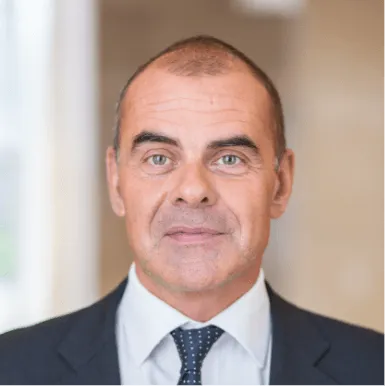
Dr Khalid Koser
Executive Director
-
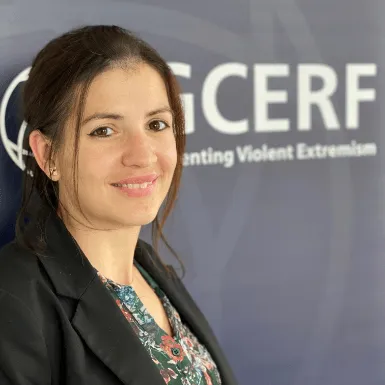
Dr Lilla Schumicky-Logan
Deputy Executive Director and Head of Portfolio Management
Dr Lilla Schumicky-Logan is the Deputy Executive Director and Head of Portfolio Management. She holds MAs in both Philosophy and Cultural Anthropology and earned her PhD at the Peace Studies Department of the University of Bradford, UK. Her areas of expertise include re-integration and rehabilitation of at-risk youth in conflict and post-conflict settings with a focus on social skills development. Lilla has worked for universities, NGOs and the United Nations in the Democratic Republic of Congo, Gambia, Kenya, Lebanon, Sierra Leone, Somalia, Switzerland, Syria and Uganda. She has also worked on humanitarian and development programmes focusing on Bangladesh, Mali, Myanmar, Sri Lanka and Tunisia. She regularly publishes in peer-reviewed journals and popular blogs.
-
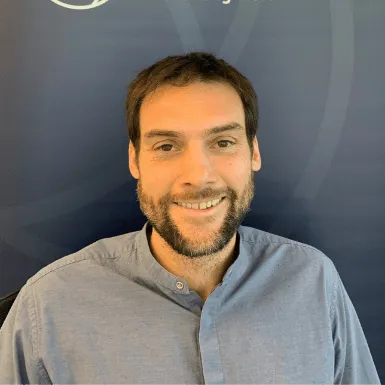
Nicolas Ferigoule
Head of Finance and Compliance
Nicolas Ferigoule is the Finance and Compliance Manager. Nicolas is a Certified Public Accountant and holds an MA in International Taxation Law. Nicolas worked for seven years in international audit and accounting firms in Paris and New York before joining an international NGO in Kabul, Afghanistan, as a Finance Director then Country Director. Nicolas also worked as a Humanitarian Affairs Officer – Pooled Fund Manager with the United Nations Office for the Coordination of Humanitarian Affairs in Kabul and in Kinshasa, Democratic Republic of Congo. Nicolas joined GCERF in March 2020.
-
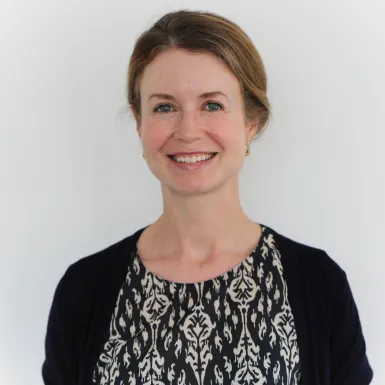
Caroline Walsh
Human Resources and Administration Manager
With experience across multiple countries including Australia, the UK and Switzerland, Caroline has led HR activities across the private sector in large multinational corporations and also the not-for-profit sector in foundations.
-
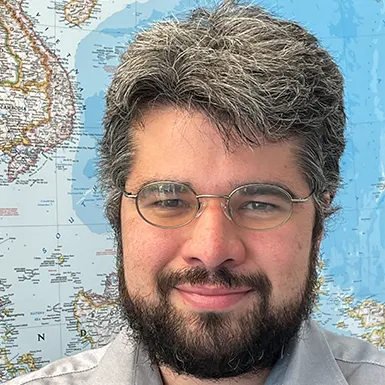
Dr André Alves dos Reis
Head of Performance and Impact
Dr. André Alves dos Reis is a political scientist, researcher, Monitoring and Evaluation (M&E) and policy specialist with years of experience working with local governance, peace, and P/CVE. He is currently the Performance and Impact Manager overseeing GCERF’s global monitoring, evaluation, accountability and learning (MEAL) system. André has lived and worked in Latin America, Europe, and Asia. His main research interests are peace and security, especially in PCVE, and multilateral sanctions. He is a former World Economic Forum Global Future Council Fellow. He holds a Master’s in International Affairs and a PhD. in International Relations / Political Science from the Graduate Institute of International and Development Studies, Geneva, Switzerland.
-
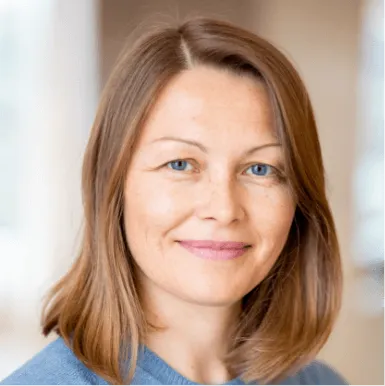
Katya Palazzolo
Head of External Affairs
As Head of External Affairs, Katya Palazzolo is responsible for all external stakeholder engagement and overseeing Board relations. Katya has more than 15 years of international experience in managing relations with senior representatives of governments, international organisations, academic institutions, the private sector and the media. She has been involved in the implementation of numerous diplomatic training programmes on international security policy issues and high-level events across the Caucasus, Central Asia, Europe, the Middle East and Russia. Before joining GCERF in 2015, Katya worked at the Geneva Centre for Security Policy. She is a former Chevening Scholar and holds an MA in Diplomatic Studies from the University of Westminster. She is fluent in English, French and Russian.
-
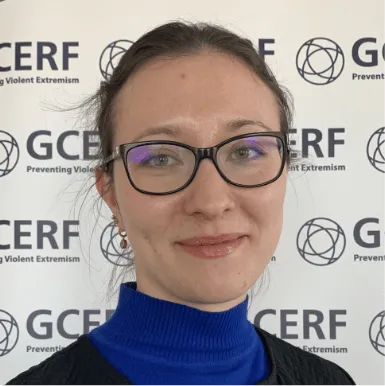
Natalia Olekhnovich
Human Resources and Administration Manager
Natalia Olekhnovich is the Human Resources and Administration Manager. She holds an MA in Standardisation, Social Regulation and Sustainability from the University Geneva, as well as a degree in Business Management. Before joining GCERF in January 2017, Natalia worked in Human Resources for the World Health Organisation and in an administrative capacity for Swissotel in Moscow. She holds a certificate in Psychology at Work from the University of Western Australia and in addition to English, speaks French, Russian, Spanish and Ukranian. Natalia is currently attaining her Society of Human Resource Management certification.
Governing Board
The Board is structured around constituencies. Below is an overview of the current representation. Committees support the Board by providing focused oversight and recommendations on governance, ethics, finance and audit matters.
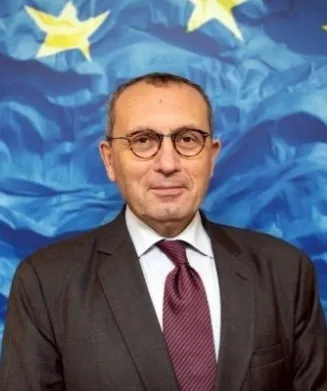
Non-voting member
Mr Stefano Manservisi
Chair of the Governing Board
Stefano Manservisi is the Chair of the Governing Board of the Global Community Engagement and Resilience Fund. Stefano has had a long and distinguished career as a top political adviser dealing with development policies and multilateral institutions.
Stefano has served in the European Commission as Director-General for International Cooperation and Development (DEVCO), where he led efforts to reshape EU development policy, deliver the Millennium Development Goals and work towards realisation of the Sustainable Development Goals. Prior to that he was Head of the Private Office of Federica Mogherini, High Representative of the Union for Foreign Affairs and Security Policy and Commission Vice-President. He has also served as Director-General for Migration and Home Affairs, the EU Ambassador to Turkey, and headed the Private Office of the European Commission’s President Romano Prodi.
A lawyer by training, Stefano enjoys teaching and has been a visiting professor at various universities and research centres, as well as advising UN agencies and other multilateral institutions.
Voting members representing donor constituencies
Donor countries
-
Ms Charlotte Beaglehole
Divisional Manager, International Security and Disarmament Division, New Zealand Ministry of Foreign Affairs & Trade
Voting, Australia, Japan and New Zealand
-
Mr Daisuke Tsubaki
Director, International Safety and Security Cooperation Division, Foreign Policy Bureau, Ministry of Foreign Affairs of Japan
Alternate, Australia, Japan and New Zealand
-
Ms Maria Rosa Sabbatelli
Head of Unit, FPI.1 Peace and Stability, Global Threats, Service for Foreign Policy Instruments (FPI), European Commission
Voting, European Union
-
Ms Amélie Delaroche
Deputy Head, Counter Terrorism and Organized Crime Department, Strategic, Security and Disarmament Directorate, Ministry for Europe and Foreign Affairs of France
Voting, Denmark, France, Italy, Luxembourg and Sweden
-
Mr Adam Ravnkilde
Counterterrorism Coordinator, Department of Security Policy, Ministry of Foreign Affairs of Denmark
Alternate, Denmark, France, Italy, Luxembourg and Sweden
-
Mr Tobias Grothe
Head of Division S03, Stabilisation, Crisis Prevention, Peacebuilding (Policy and Instruments), Federal Foreign Office
Voting, Germany, Norway and the Netherlands
-
Dr Daniel Frank
Head Coordinator for International Counter-Terrorism, Federal Department of Foreign Affairs of Switzerland
Alternate, Switzerland
Voting members representing partner constituencies
Partner countries
-
H.E. Mr Xhelal Sveçla
Minister of Internal Affairs of Kosovo
Voting, Albania, Bosnia and Herzegovina, Kosovo and North Macedonia
-
H.E. Mr Pavle Trajanov
National Coordinator for Prevention of Violent Extremism and Counter-Terrorism of North Macedonia
Alternate, Albania, Bosnia and Herzegovina, Kosovo and North Macedonia
-
Mr Alassane Demba Toure
First Counsellor, Permanent Mission of the Republic of Mali to the United Nations Office in Geneva
Voting, Burkina Faso, Chad, Mali, Mauritania and Niger
-
Ms Sanogo Mariam Tounkara
Director General of Religious, Customary and Traditional Affairs, Ministry of Territorial Administration, Decentralisation and Security of Burkina Faso
Alternate, Burkina Faso, Chad, Mali, Mauritania and Niger
-
Ms Neila Feki
President, National Counter Terrorism Commission of the Republic of Tunisia
Voting, Iraq and Tunisia
-
Mr Ali Abdullah Abbas Al-Bdair
Head of the National Committee to Combat Extremism, Office of the National Security Adviser (ONSA) of the Republic of Iraq
Alternate, Iraq and Tunisia
-
H.E. Mr Omar Sultanov
Ambassador and Permanent Representative, Permanent Mission of the Kyrgyz Republic to the United Nations Office in Geneva
Voting, Bangladesh, Indonesia, Kyrgyzstan and the Philippines
-
Mr Jon Paulo V. Salvahan
Under Secretary (Plans and Programmes), Department of the Interior and Local Government of the Philippines (DILG)
Alternate, Bangladesh, Indonesia, Kyrgyzstan and the Philippines
-
Mr Abdul Razak Osman
National Security Coordinator, Ministry of National Security of Ghana
Alternate, Ghana and Nigeria
-
Mr Ali Yasin Gurbe
Director General, National Center for Counterterrorism and Preventing Violent Extremism
Voting, Kenya, Mozambique and Somalia
-
Mr Kibiego Rotich Kigen
Director, National Counter Terrorism Centre, Kenya
Alternate, Kenya, Mozambique and Somalia
Voting members from civil society and the private sector Non-governmental members contribute practical expertise from community-level prevention, policy, and philanthropic engagement.
Non-governmental members
-
Mr Fulco Van Deventer
Vice-Director, Human Security Collective, The Hague
Voting, Civil society and policy, think and do tanks
-
Mr Anthony Carroll
Founding Director, Acorus Capital; Adjunct Professor, Johns Hopkins University
Voting, Private sector and foundations
-
Dr Atsushi Sunami
President of the Sasakawa Peace Foundation (SPF)
Alternate, Private sector and foundations
Secretariat leadership and trustee
Non-voting members
-
Mr Stefano Manservisi
Chair of the Governing Board
Chair
Stefano Manservisi is the Chair of the Governing Board of the Global Community Engagement and Resilience Fund. Stefano has had a long and distinguished career as a top political adviser dealing with development policies and multilateral institutions.
Stefano has served in the European Commission as Director-General for International Cooperation and Development (DEVCO), where he led efforts to reshape EU development policy, deliver the Millennium Development Goals and work towards realisation of the Sustainable Development Goals. Prior to that he was Head of the Private Office of Federica Mogherini, High Representative of the Union for Foreign Affairs and Security Policy and Commission Vice-President. He has also served as Director-General for Migration and Home Affairs, the EU Ambassador to Turkey, and headed the Private Office of the European Commission’s President Romano Prodi.
A lawyer by training, Stefano enjoys teaching and has been a visiting professor at various universities and research centres, as well as advising UN agencies and other multilateral institutions.
-
Dr Khalid Koser
Executive Director
Executive Director
Dr Khalid Koser is the founding Executive Director of the Global Community Engagement and Resilience Fund (GCERF), the global fund dedicated to preventing violent extremism. He is Professor of Conflict, Peace, and Security at the University of Maastricht. Khalid was appointed MBE for services to asylum seekers and refugees, chaired the World Economic Forum Global Future Council on Migration, and served as editor of the Journal of Refugee Studies. He was recently ranked by Stanford University among the top 2% of scientists worldwide and is an Honorary Lifetime Fellow of the University College Dublin Law Society.
Oversees governance arrangements and ethical standards defined by GCERF’s Policy on Ethics and Conflict of Interest.
Governance and Ethics Committee
-
Mr Fulco Van Deventer
Vice-Director, Human Security Collective, The Hague
Chair
-
Mr Anthony Carroll
Founding Director, Acorus Capital; Adjunct Professor, Johns Hopkins University
-
Ms Lejdi Dervishi
National Coordinator / Director, The CVE Coordination Center, Ministry of Internal Affairs of the Republic of Albania
-
Dr Daniel Frank
Head Coordinator for International Counter-Terrorism, Federal Department of Foreign Affairs of Switzerland
Oversees and advises on financial policy and performance, audit, risk management and internal control, as well as relevant human resources policies and frameworks.
Finance and Audit Committee
-
Ms Elizabeth Ama Yanhkah
Deputy National Security Coordinator, Ministry of National Security of Ghana
Chair
-
Ms Rwodah Ibrahim AlNaimi
Investment Department Manager, Qatar Fund for Development
-
Dr Charles Salvaudon
Independent Finance Expert, Professor of Geopolitics, Author
Independent Review Panel
The Independent Review Panel is an impartial group of experts appointed by the Governing Board to provide a rigorous technical assessment of requests for funding received by GCERF. The panel ensures quality programming, PVE specificity, and alignment to national priorities. The panel also provides expert advice on country assessments and GCERF’s investment strategies. Members are institutionally independent of the GCERF Secretariat and Governing Board. Each serves in a personal capacity with no link to their employer, government, or other entity.
-

Achaleke Christian Leke
Executive Director, Local Youth Corner Cameroon
Achaleke Christian Leke is a 34 year old multi-award-winning development expert, peacebuilder, and researcher with over 17 years of experience in countering violent extremism, international and community development, and youth empowerment. Hailing from the city of Fiango Kumba, he overcame a challenging childhood to become a global leader in peacebuilding and social transformation. His journey, marked by resilience and commitment, has positioned him as an authority in peacebuilding, community service, diplomacy, and policy advocacy. He served the African Union as the African Union Youth Ambassador for Peace, representing the Central African subregion.
-
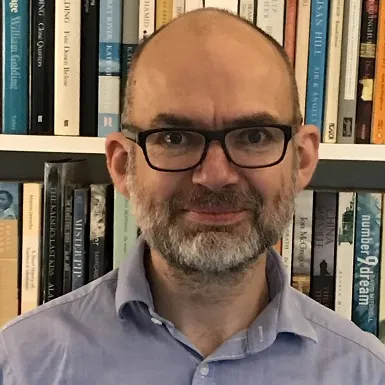
Dr Andrew Glazzard
Professor, Coventry University; Jennings Randolph Senior Fellow at the United States Institute for Peace
Dr Andrew Glazzard is Professor of National Security Policy and Practice at Coventry University. He was previously Director of National Security Studies at the Royal United Services Institute and a Jennings Randolph Senior Fellow at the United States Institute for Peace. He has published numerous papers on countering violent extremism and disengagement and rehabilitation of violent extremists.
-
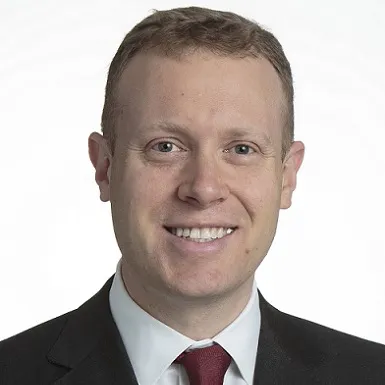
Dr David Malet
Associate Professor of Justice, Law, and Criminology, American University
David Malet is Associate Professor of Public Affairs at American University. Previously he served as Director of the Security Policy Studies Program at the George Washington University. He also taught at the University of Melbourne, and at Colorado State University. From 2000-2003 he served as Research Assistant for national security issues to US Senate Majority Leader Tom Daschle.
-
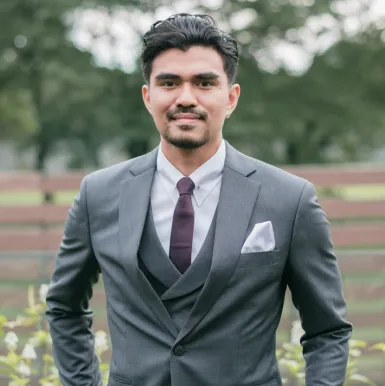
Deka Anwar
Research Analyst, Institute for Policy Analysis of Conflict
Deka Anwar is a program coordinator at IMPAC, a new organisation that specialises in training and intervention in C/PVE and conflict resolution in Indonesia. Previously, he worked as a research analyst at the Institute for Policy Analysis of Conflict, a position he has held since February 2017. He specialises in transnational terrorism, violent conflict, and insurgency, with particular expertise in Southeast Asian security issues. His research covers regional foreign policies, cross-border security challenges, and conflict dynamics in Indonesia, Myanmar and the Philippines.
-

Fatima Star U. Lamalan
Project Officer for Nonviolent Conflict Transformation / forumZFD - Philippines Program
Fatima Star U. Lamalan is a Project Officer for ForumZFD, with a focus on grassroots-level nonviolent conflict transformation and Indigenous Peoples’ rights advocacy. She was previously with the Ateneo de Davao University, which allowed her to work with academic, civil society, and state actors and institutions in policy formulation approaches on prevention of violent extremism and curricular integration of peace education in the Philippines.
-

Gazbiah Sans
Director, PVE Works
Gazbiah Sans is a Counter-Terrorism and Preventing Violent Extremism expert, specializing in sexual/gender-based violence, specifically in fragile, conflict and violent contexts. She has over 15 years of experience, notably with USAID in Cameroon on the Boko Haram affected Lake Chad Basin Region and with the World Bank in Afghanistan. She serves as a Co-Chair of the Christchurch Call Advisory Network and is the Director of PVE Works.
-
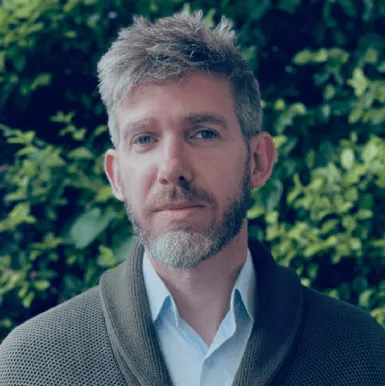
John Sampson
Senior Director, Eastern and Southern Africa Portfolio, DAI
John Sampson is a seasoned development leader with over 20 years’ experience across conflict-affected areas in Africa, Asia, Eastern Europe, Latin America and the Caribbean, and the Middle East. He has led key multilateral initiatives in support of local partners to design and deliver community-led responses to violent extremism, drawing on his expertise in stabilisation, governance, and locally led development. Based in Nairobi, John is committed to shifting power to frontline actors and advancing sustainable, locally owned solutions to address the drivers of conflict and instability.
-
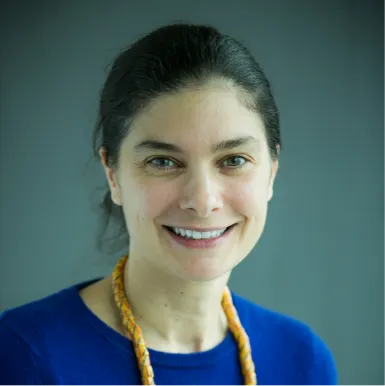
Maud Roure
Deputy Executive Director and Head of Programmes, Kofi Annan Foundation
Maud coordinates the programmatic work of the Foundation which aims to strengthen the capacities of people and countries to achieve a fairer, more peaceful world. She leads the Youth and Peace programme in various countries affected by violence such as Colombia, Uganda and the Sahel region, including the Extremely Together initiative that supports young people in their efforts to prevent and counter violent extremism. Before joining the Foundation in 2017, Maud was the Head of Learning and Policy and a member of the Strategic Management Team at Interpeace. Maud holds a Master’s degree in Human Rights and International Humanitarian Law from the Paris-Panthéon Assas University and an additional Master’s in Risk Management in Developing Countries from Sciences Po Bordeaux.
-
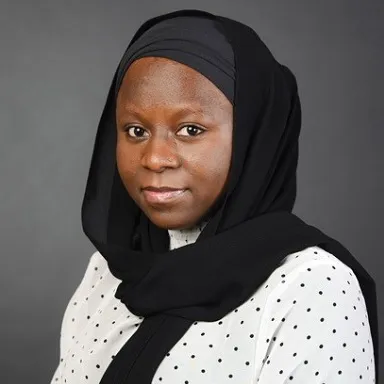
Dr Medinat Abdulazeez Malefakis
Lecturer at the Department of Humanities, Social and Political Sciences , ETH Zürich
Dr Medinat Abdulazeez Malefakis is a Senior Lecturer at NADEL (Institute for Global Cooperation and Sustainable Development) at ETH Zurich, and Nigeria Country Lead the Global Survivors Fund.
-
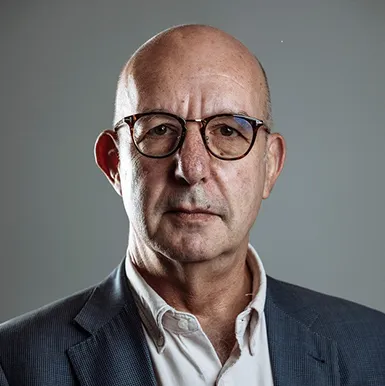
Richard Danziger
IRP Chair and Former IOM Chief of Mission and Senior IOM Regional Director
Richard Danziger recently retired as a Director after 28 years with the International Organization for Migration (IOM). He was a member of the World Economic Forum’s Future Council on Migration and chaired their Council on Illicit Trade & Organized Crime. He was also a founding member of the United Nations Global Initiative to Fight Human Trafficking.
-
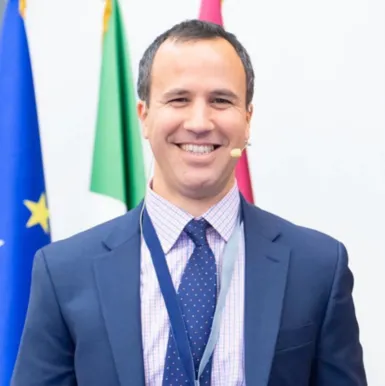
Rida Lyammouri
Senior Fellow, Policy Center for the New South and Senior Sahel and West Africa Advisor
Rida Lyammouri is a senior fellow at the Policy Center for the New South (PCNS). He is also a senior West Africa and Lake Chad Basin researcher and advisor, regions he has worked on for about 15 years, including in the field. Mr Lyammouri has expertise in regional conflicts, violent extremism, climate change, migration, terrorism, and trafficking. He has extensive experience supporting both governmental and non-governmental organizations in the areas of international development, security, countering violent extremism and terrorism, and preventing conflicts, analysing violent conflicts, violent extremism, geopolitics, and climate-conflict interactions in the Lake Chad Basin, West Africa, and the Sahel.
-
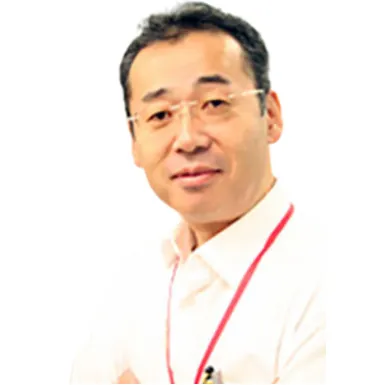
Dr Takeshi Kohno
Professor of Political Science, Toyo Eiwa University, Yokohama, Japan
Dr. Takeshi Kohno is currently professor of political science at Toyo Eiwa University, Yokohama, Japan. Before assuming the professorship, he was Deputy Director at International Security and Safety Coordination Division, and United Nations Affairs Coordination Division of Japan’s Ministry of Foreign Affairs. Previously he was Special Advisor/Senior Programme Advisor at the United Nations Development Programme in New York. Other diplomatic assignments took him to Japanese Embassies in Timor-Leste and Indonesia. He also taught as associate professor of political science at the National Graduate Institute for Policy Studies (GRIPS), Tokyo, Japan. He earned his Ph.D. from the Ohio State University’s political science department after earning an MA from Ohio University, Athens, Ohio and BA in law from Doshisha University, Kyoto.
Policies
The statutes, bylaws and policies that govern GCERF as a Swiss foundation.
-
Download policy: GCERF Statutes
Founding document
GCERF Statutes
-
Download policy: Bylaws
Approved at the 18th Board Meeting
Bylaws
-
Download policy: Headquarters Agreement
Agreement with Switzerland
Headquarters Agreement
-
Download policy: Policy on Ethics and Conflict of Interest
Board policy
Policy on Ethics and Conflict of Interest
-
Download policy: Governance and Ethics Committee
Committee terms of reference
Governance and Ethics Committee
Board Meetings and Decisions
Board meetings provide strategic direction and oversight of GCERF’s mission, policies, and investment approach. Decisions are published through formal meeting decisions and electronic “no objection” procedures.
-
View meeting: 24th Board Meeting, 02-03 June 2026, Geneva, Switzerland
Report of the 24th Board Meeting
24th Board Meeting, 02-03 June 2026, Geneva, Switzerland
-
View meeting: 23rd Board Meeting, 9-10 December 2025, Brussels, Belgium
Report of the 23rd Board Meeting
23rd Board Meeting, 9-10 December 2025, Brussels, Belgium
-
View meeting: 22nd Board Meeting, 26 June 2025, Virtual
Report of the 22nd Board Meeting
22nd Board Meeting, 26 June 2025, Virtual
-
View meeting: 21st Board Meeting, 10 December 2024, Virtual
Report of the 21st Board Meeting
21st Board Meeting, 10 December 2024, Virtual
-
View meeting: 20th Board Meeting, 25 – 26 June 2024, Geneva, Switzerland
Report of the 20th Board Meeting
20th Board Meeting, 25 – 26 June 2024, Geneva, Switzerland
-
View meeting: 19th Board Meeting, 29-30 November 2023, Geneva, Switzerland
Report of the 19th Board Meeting
19th Board Meeting, 29-30 November 2023, Geneva, Switzerland
-
View meeting: 18th Board Meeting, 13-15 June 2023, Tunis, Tunisia
Report of the 18th Board Meeting
18th Board Meeting, 13-15 June 2023, Tunis, Tunisia
-
View meeting: 17th Board Meeting, 28-29 November 2022, Geneva, Switzerland
Report of the 17th Board Meeting
17th Board Meeting, 28-29 November 2022, Geneva, Switzerland
-
View meeting: 16th Board Meeting, 14-16 June 2022, Tirana, Albania
Report of the 16th Board Meeting
16th Board Meeting, 14-16 June 2022, Tirana, Albania
-
View meeting: 15th Board Meeting, 7-8 Dec 2021, Paris, Hybrid
Report of the 15th Board Meeting
15th Board Meeting, 7-8 Dec 2021, Paris, Hybrid
-
View meeting: 14th Board Meeting, 22 June 2021, Hybrid
Report of the 14th Board Meeting
14th Board Meeting, 22 June 2021, Hybrid
-
View meeting: 13th Board Meeting, 1-2 December 2020, Virtual Sessions
Report of the 13th Board Meeting
13th Board Meeting, 1-2 December 2020, Virtual Sessions
-
View meeting: 12th Board Meeting, 28 May 2020, 8 – 9 June 2020, Virtual Sessions
Report of the 12th Board Meeting
12th Board Meeting, 28 May 2020, 8 – 9 June 2020, Virtual Sessions
-
View meeting: 11th Board Meeting, 21-22 November 2019, Geneva, Switzerland
Report of the 11th Board Meeting
11th Board Meeting, 21-22 November 2019, Geneva, Switzerland
-
View meeting: 10th Board Meeting, 11-12 June, Ottawa, Canada
Report of the 10th Board Meeting
10th Board Meeting, 11-12 June, Ottawa, Canada
-
View meeting: 9th Board Meeting, 27-28 November 2018, Geneva, Switzerland
9th Board Meeting Decisions
9th Board Meeting, 27-28 November 2018, Geneva, Switzerland
-
View meeting: 8th Board Meeting, 30-31 May 2018, Lausanne, Switzerland
Report of the 8th Board Meeting
8th Board Meeting, 30-31 May 2018, Lausanne, Switzerland
-
View meeting: 7th Board Meeting, 5-6 December 2017, Doha, Qatar
Report of the 7th Board Meeting
7th Board Meeting, 5-6 December 2017, Doha, Qatar
-
View meeting: 6th Board Meeting, 26-28 June 2017, London, United Kingdom
Report of the 6th Board Meeting
6th Board Meeting, 26-28 June 2017, London, United Kingdom
-
View meeting: 5th Board Meeting, 13-14 December 2016, Geneva, Switzerland
Report of the 5th Board Meeting
5th Board Meeting, 13-14 December 2016, Geneva, Switzerland
-
View meeting: 4th Board Meeting, 13-14 June 2016, Brussels, Belgium
Report of the 4th Board Meeting
4th Board Meeting, 13-14 June 2016, Brussels, Belgium
-
View meeting: 3rd Board Meeting, 1-2 December 2015, Geneva, Switzerland
Report of the 3rd Board Meeting
3rd Board Meeting, 1-2 December 2015, Geneva, Switzerland
-
View meeting: 2nd Board Meeting, 20-21 April 2015, Marrakech, Morocco
Report of the 2nd Board Meeting
2nd Board Meeting, 20-21 April 2015, Marrakech, Morocco
-
View meeting: 1st Board Meeting, 17-18 November 2014, Geneva Switzerland
GCERF Governing Board Inaugural Meeting Report
1st Board Meeting, 17-18 November 2014, Geneva Switzerland
Selections from the “no objection” decision list
Electronic decisions
-
Approval of the updated GCERF Strategy for Investment in Kosovo 2023-27
-
March 2026
-
March 2026
-
March 2026
-
October 2025
-
August 2025
-
August 2025
Approval of the GCERF Strategy for Investment in the Philippines
-
July 2025
-
June 2025
-
January 2025
-
November 2024
-
September 2024
-
September 2024
-
August 2024
-
August 2024
-
May 2024
Approval of the Strategy for Investment in Ghana (2024-2028)
-
April 2024
Approval of the Strategy for Investment in North Macedonia (2024-2027)
-
March 2024
-
13 March 2024
-
08 August 2023
-
03 August 2023
-
21 April 2023
-
17 April 2023
-
17 April 2023
-
02 March 2023
-
28 February 2023
-
28 February 2023
-
03 February 2023
-
24 November 2022
-
27 October 2022
-
9 August 2022
-
8 August 2022
Approval of GCERF Updated Strategy for Investment in the Philippines
-
6 April 2022
-
6 December 2021
-
28 October 2021
-
September 2021
7 September 2021 Approval of GCERF Updated Strategy for Investment in Nigeria
-
3 September 2021
-
27 August 2021
Approval of GCERF Updated Strategy for Investment in the Western Balkans
-
10 June 2021
-
12 March 2021
-
4 March 2021
-
11 February 2021
-
25 January 2021
-
18 December 2020
-
27 October 2020
-
7 September 2020
-
23 July 2020
-
11 May 2020
-
24 April 2020
-
17 April 2020
-
13 February 2020
-
20 January 2020
-
30 September 2019
-
20 September 2019
-
26 August 2019
-
9 August 2019
-
7 May 2019
-
8 April 2019
-
1 October 2018
-
31 August 2018
-
14 August 2018
Approval of GCERF Country Strategy for Investment in Tunisia
-
9 March 2018
-
9 March 2018
-
4 September 2017
-
1 June 2017
-
26 May 2017
-
7 April 2017
-
13 March 2017
-
13 January 2017
-
30 November 2016
-
7 November 2016
-
14 May 2016
-
14 March 2016
-
6 February 2016
-
30 September 2015
Approval of 28.07.15 Board Meeting Report and HR Policy Amendment
-
27 June 2015
-
30 May 2015
-
30 January 2015
-
17 January 2015
Quick access to recent “Final Decisions” documents
Board Meeting Final Decisions
-
June 2026
-
December 2025
-
June 2025
-
December 2024
-
June 2024
-
November 2023
-
November 2023
-
June 2023
-
November 2022
-
June 2022
-
December 2021
-
June 2021
-
December 2020
-
May 2020
-
November 2019
-
June 2019
-
November 2018
-
May 2018
-
December 2017
-
June 2017
-
December 2016
-
June 2016
-
December 2015
-
April 2015
-
November 2014