Replenishment 2025-26
Despite billions of dollars spent on armed responses to terrorism over the past two decades, the world is not a safer place. Today’s global environment is more conducive to violent extremism than at any point since the Arab Spring. The risk today is more diverse, disseminated, and disparate. Now is the time to double down on our investments in resilience, to protect our future from violent extremism.
-
Download: Read our Case for Investment in Preventing Violent Extremism
Read our Case for Investment in Preventing Violent Extremism
-
Download: Lire notre Plaidoyer en Faveur de l'Investissement dans la Prévention de l'Extrémisme Violent
Lire notre Plaidoyer en Faveur de l'Investissement dans la Prévention de l'Extrémisme Violent
-
Download: اطلع على مشروعنا للاستثمار في مكافحة التطرف العنيف
اطلع على مشروعنا للاستثمار في مكافحة التطرف العنيف
-

Consolidate recent investments in new partner countries including Indonesia, Iraq, Mozambique and Yemen
-

Reinvest in partner countries and regions where the threat of violent extremism is severely undermining security and development, such as the Sahel, or where re-investment is needed to secure hard-earned gains, such as the Philippines and Somalia
-

Expand strategically and regionally in Central Asia as a bulwark against the threat emanating in Afghanistan, and the Gulf of Guinea to stem the risk of spillover from the Sahel
-

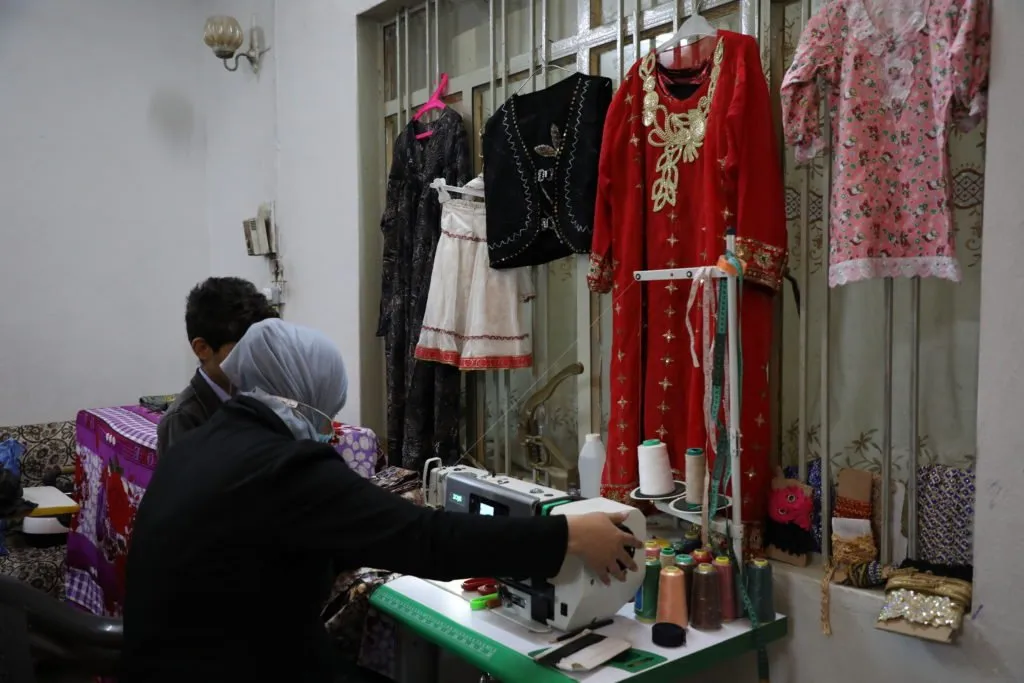
Provide better alternatives to at least 500,000 young people in communities at direct risk of radicalisation
-

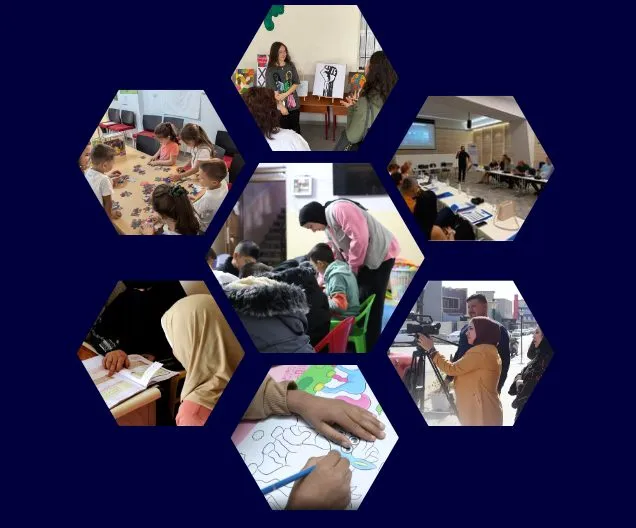
Support the rehabilitation and reintegration of at least 20,000 returnees from camps in Northeast Syria and their families
-

Invest in civil society organisations of which at least 40% are led by women and youth
-

Put in place sustainable structures to enable a transition out of at least one country
-

Promote sustainable community resilience, national responsibility, and global coherence in preventing violent extremism
Resilience at risk
Over the past decade, GCERF’s investment in prevention efforts has provided better alternatives for nearly 4 million young people at direct risk of radicalisation and strengthened the resilience of vulnerable communities against the force of violent extremist ideologies. However, the resilience we are building is increasingly at risk.
Within the communities we support, there is a growing sense of abandonment, for example in the Sahel, and an increased sense of injustice, especially over Gaza. In Tunisia, for example, there has been a sharp increase in violent behaviour in schools. Climate change is also impacting livelihoods far more quickly than predicted. And in many cases social and economic disparities persist and are widening. Now is the time to increase the investment in resilience to preserve the progress made in reducing the global impact of terrorism and violent extremism and guard against future risks.
- Countries
- 25
- Grants Signed
- 138
- Total Beneficiaries
- 4.7M
- Local Partners
- 412
Return on investment
As our Case for Investment makes clear, GCERF’s return on investment is remarkable. Over the past decade, GCERF has invested around USD 112 million to impact around 4 million people at direct risk of radicalisation and recruitment, representing an average of about USD 30 per person at risk. GCERF has gone beyond theory to demonstrate how PVE works and is a far more cost-effective means of confronting violent extremism than reactive security responses. Since 2019, the number of GCERF partner countries has tripled and the number of direct beneficiaries doubled, while our budget has increased by only 30%, and operating expenses have consistently remained below 15%.
As the only multilateral pooled fund dedicated to preventing violent extremism, we have developed a unique model of investment centered on localisation. We provide grants to civil society organisations, co-design projects with them to ensure relevance to the local context, and encourage their active participation in the national policy planning processes. We are also increasingly promoting local expertise in monitoring and evaluation. Our multi-level, multi-layered monitoring and evaluation system that tracks global, national/regional, and grant level results provides continuous feedback on programme effectiveness, identifying areas for improvement, and ensuring that objectives are consistently achieved.
Across 25 countries and thousands of communities, GCERF’s investments illustrate the potential for a more peaceful future when the right resources are mobilised. A fully funded GCERF, with an investment of USD 80 million, will continue to demonstrate a strong return on investment by strengthening community resilience against extremism, and funding peace, security, and development initiatives in communities at risk, in countries where violent extremism is a constant threat or could take root and spread.
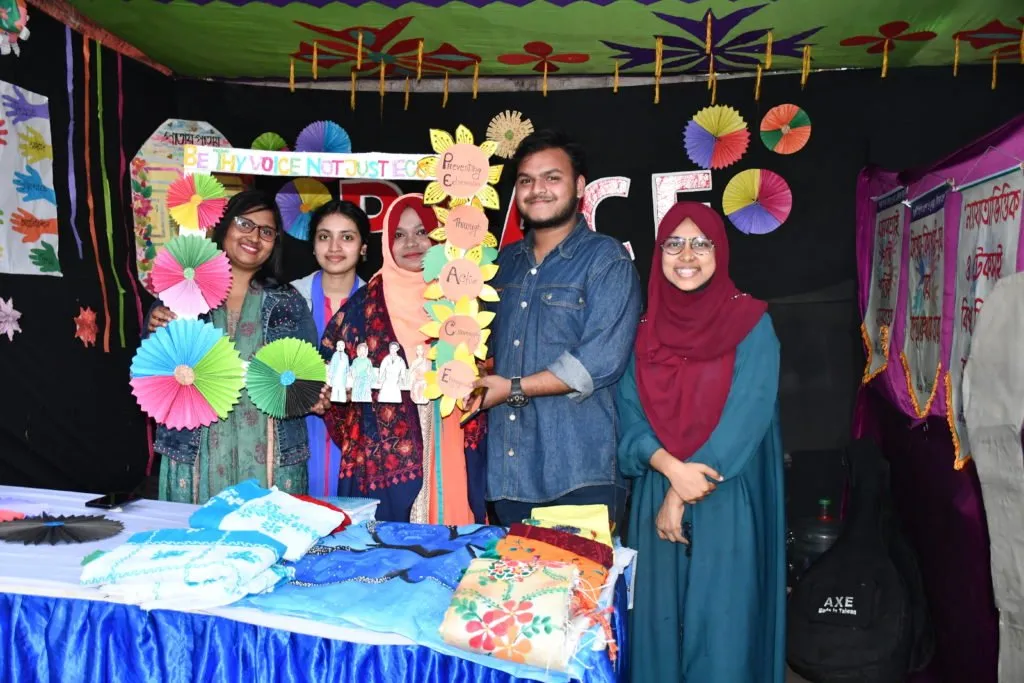
Invest in resilience
GCERF is the world-leader in building community resilience against violent extremism, but sustaining resilience requires a consolidated effort. A further investment of USD 80 million to 100 million will scale up the impact of prevention efforts as outlined in the case for investment.
By investing in GCERF, you are contributing directly to crisis prevention, stabilisation, and peacebuilding, and supporting grassroots initiatives that lay the foundations for lasting peace.
Relevant resources
-
-
Report
Working with Returnees from Northeast Syria and Iraq
Recommendations to practitioners and partner governments interested in pursuing reintegration processes.
Read report → -
Story
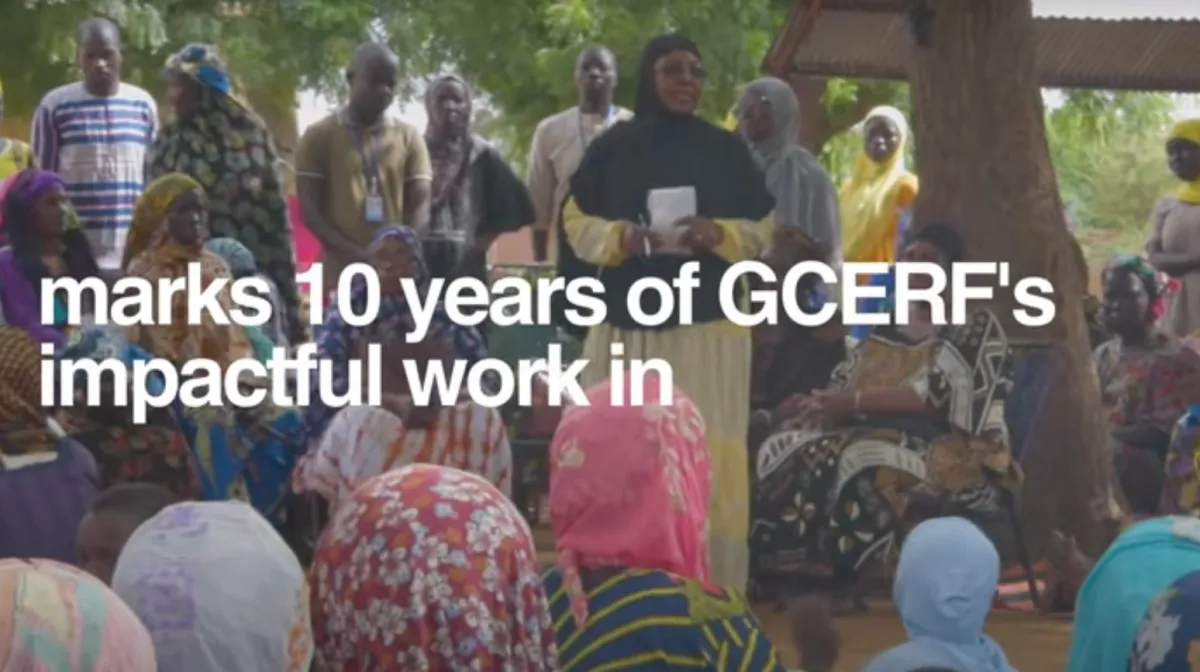
10 years of GCERF – 10 insights
GCERF was launched on September 9, 2014 as the first multilateral pooled fund to support local, community-level initiatives working to build resilience against violent extremism around the world. Today, a decade later GCERF remains the only global grant-making organisation providing core funding to organisations in fragile and conflict-affected states and others where the risk of violent extremism is highest. To mark our first ten years, GCERF is proud to share ten of the unique insights gained over the past decade, and we congratulate all our civil society partners around the world, working to make their communities and societies safer and more peaceful.
Read story → -
-
Report
Factsheet: Rehabilitation and Reintegration of Former…
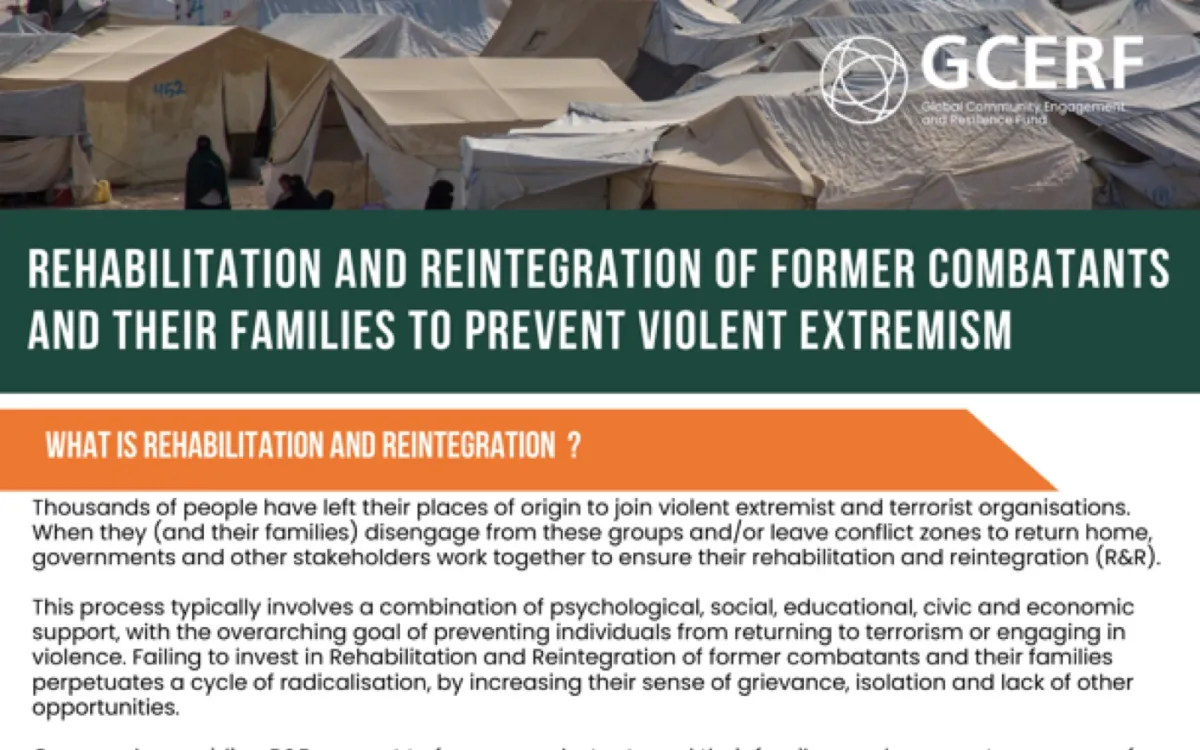
Thousands of people have left their places of origin to join violent extremist and terrorist organisations. When they (and their families) disengage from these groups and/or leave conflict zones to return home, governments and other stakeholders work together to ensure their rehabilitation and reintegration (R&R).
Read report →