Majina, a 31-year-old woman from a small village in Ampara District, grew up in a predominantly Muslim community with limited exposure to people from other ethnic or religious backgrounds. Her conservative family often spoke about the wrongs committed by Sinhala Buddhists, especially during incidents of communal violence such as the 2018 Digana violence. This led to a deep mistrust of other communities, particularly Sinhala Buddhists. “I didn’t know how to interact with others from outside my community. It wasn’t because I didn’t want to, it’s just that, because of everything I was told, I no longer had the confidence,” Majina recalled.
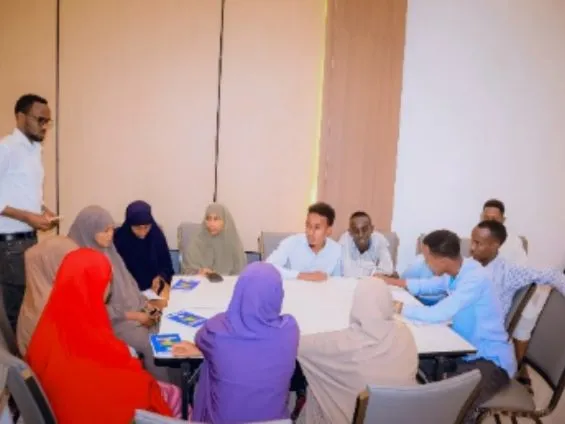
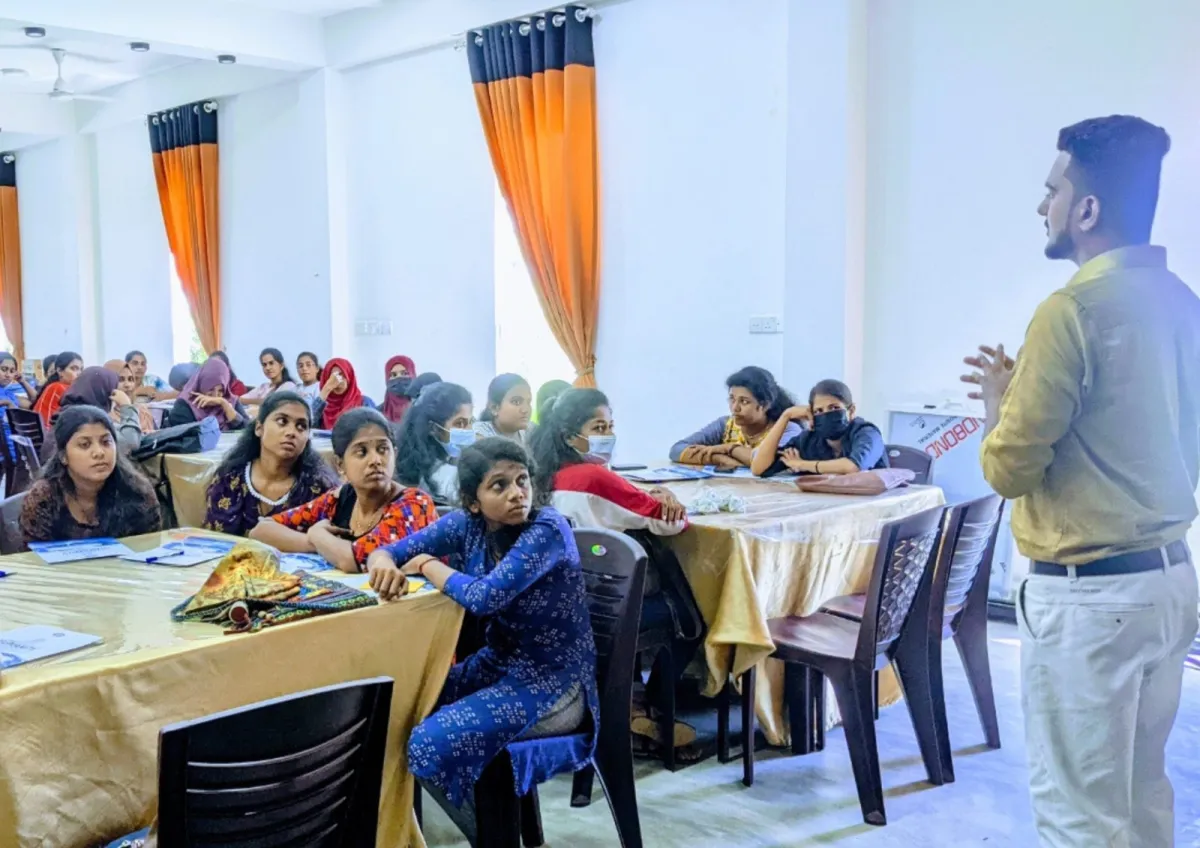
In 2024, when Majina joined the Youth Forum in Karaitivu, Ampara, and participated in training on Preventing Violent Extremism (PVE), conflict resolution, and drug prevention under the EMPOWER project, she gradually began building relationships with young people from diverse backgrounds, helping her overcome her fears and misconceptions. “The fear and misunderstanding I had before started to disappear, as I slowly gained confidence and learned to engage with them,” she said.
Her newfound confidence was tested when she mediated a conflict between a Tamil woman and members of her own Muslim community. The Tamil woman, a friend of hers, complained that someone had thrown garbage in front of her house, blaming the entire Muslim community. Instead of letting the situation escalate, Majina used the conflict resolution skills she had learned, advising her friend to address the issue with the individual responsible rather than generalising. “I asked her, ‘Do you know who did it?’ She said yes. So, I told her, ‘Then don’t blame the Muslim community. Say the person’s name. This is not about a whole group of people, it’s about one individual’s actions.” Her approach helped resolve the conflict peacefully, reinforcing her belief in the importance of understanding and avoiding stereotypes.