Based on reflections by Lilla Schumicky-Logan, GCERF’s Deputy Executive Director and Head of Portfolio Management
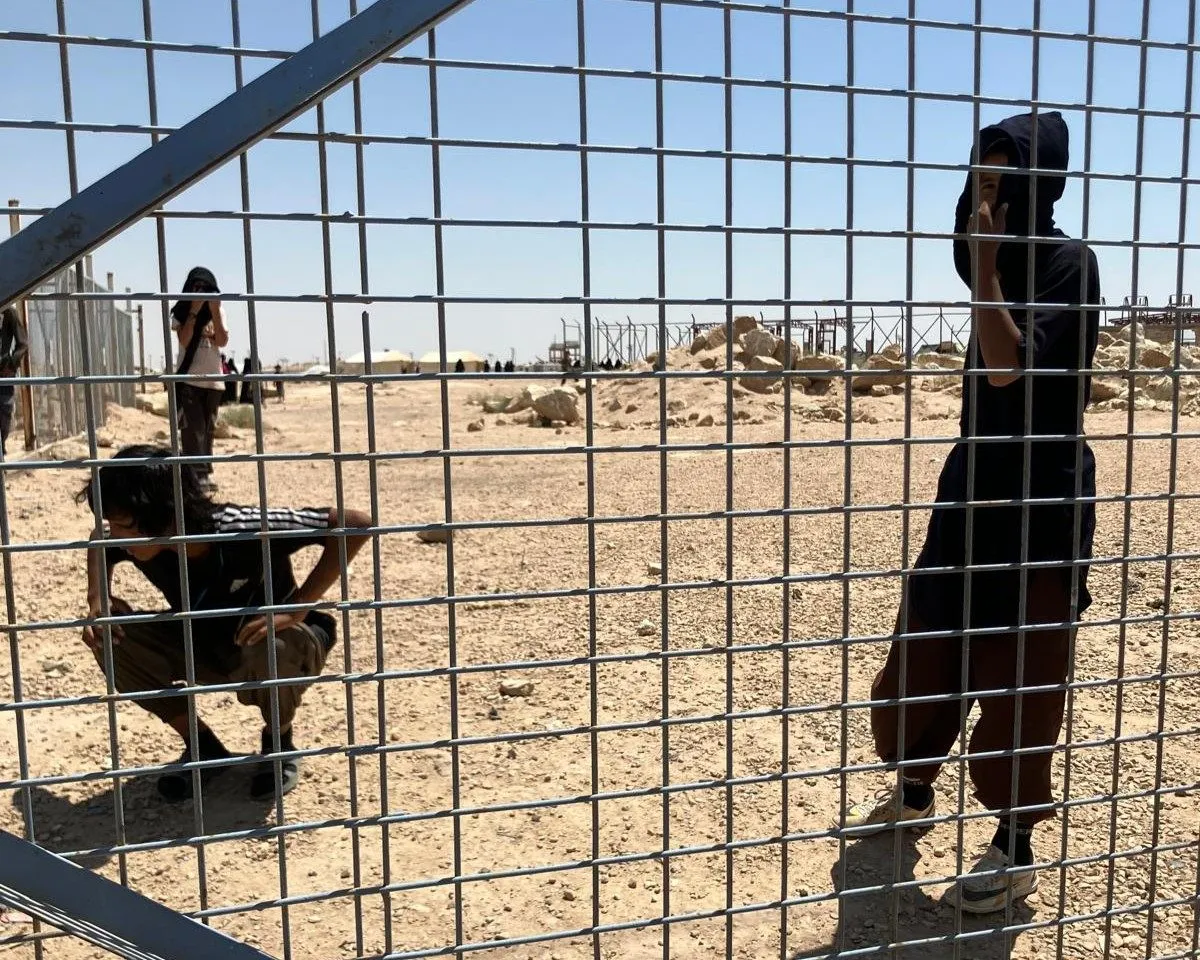
One afternoon in the month of April 2025, I had lunch with three boys who were born eight years ago in the Al-Hol camp in Northeast Syria. Al-Hol camp is a dire and bleak place where thousands of family members of the Islamic State in Iraq and Syria (ISIS) fighters live. Their mothers come from Yathrib, the last town in Iraq to be overtaken by ISIS and the first town to be liberated.
The boys returned to Yathrib a year ago, only to find their homes destroyed, family lands seized, and their fathers either killed or imprisoned. But perhaps the most devastating loss is their legal identity. Without identity cards or official documentation, the boys do not exist in the eyes of the Iraqi state. They are invisible – unable to attend school, receive medical care, or access any basic services.
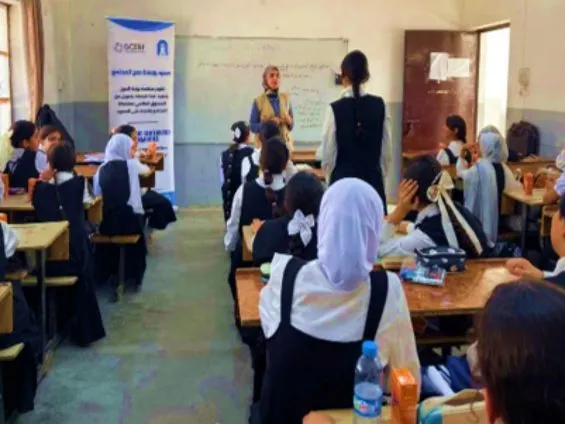
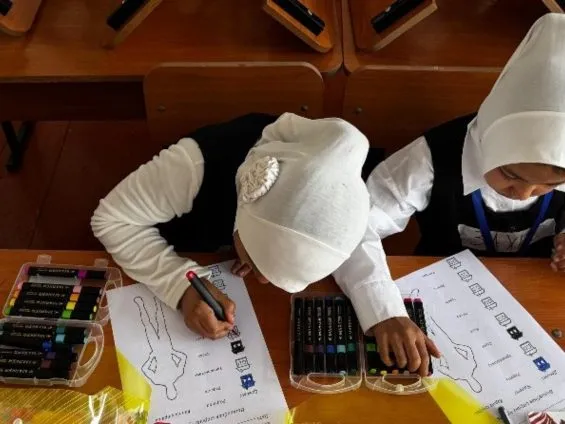
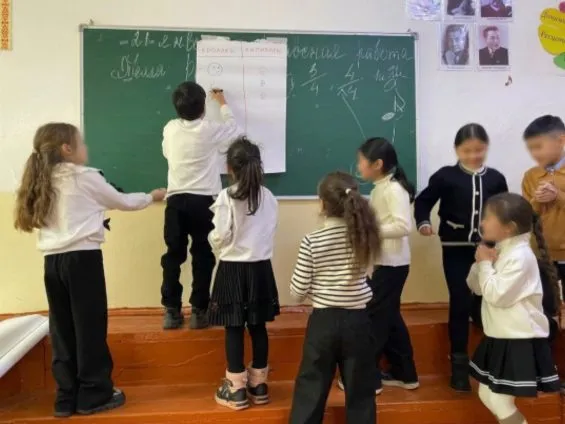
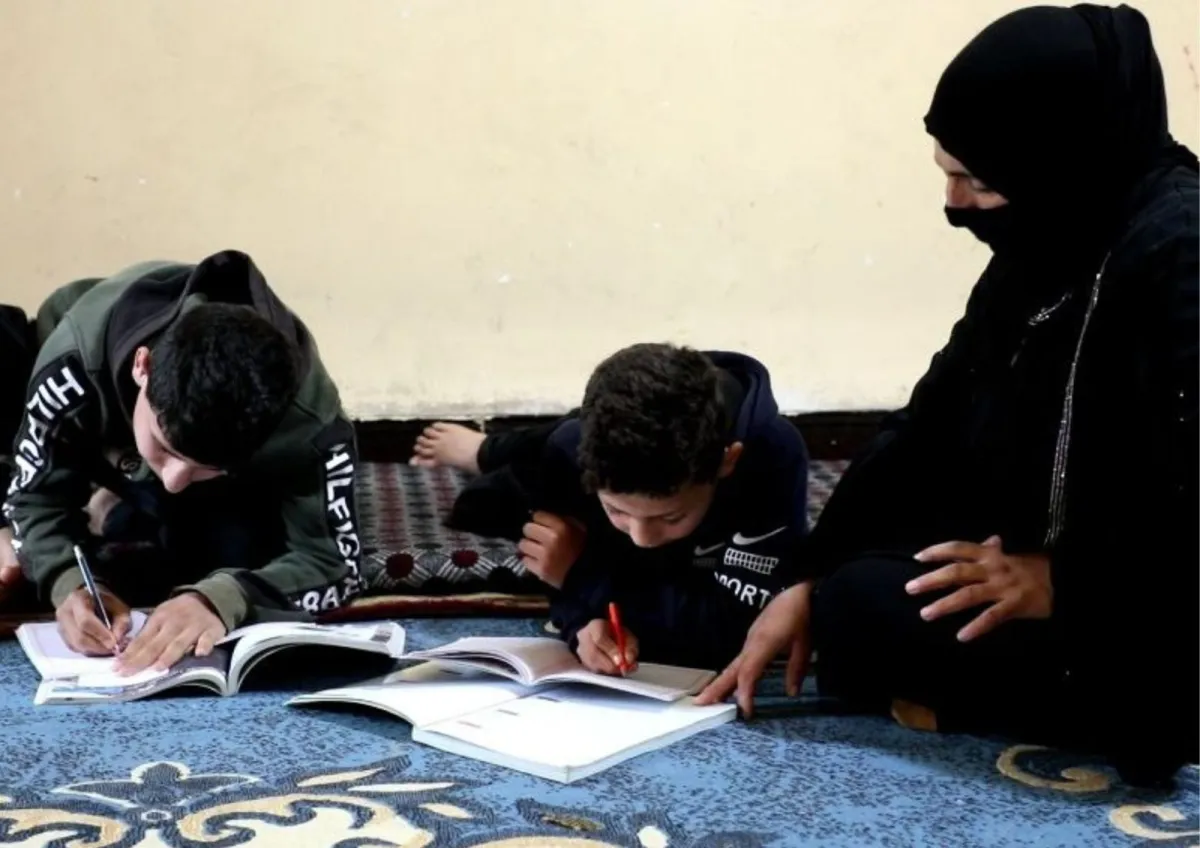
Despite their lack of identity cards, the major of Yathrib found a way to enroll the boys in school for the first semester. “I cannot tell you how happy I was when I could sit with other children and learn. I had hope. I felt our life will take a positive turn,” said Ali. “I felt like a normal child not a Daesh [ISIS] kid. The other children welcomed me. I want to study and be a doctor,’ added Hussein.
But for much of their lives, attending a school remained a distant dream. “If you only saw the camp, you cannot imagine that there is something else. That you can go to school every day and study. That you have teachers who care about you and food to eat. School is my new life,” Mohamed said passionately.