Before November 2024, the village of Tullu Roba in East Division, Wabera Ward (Kenya), was facing a worrying decline in security and community cohesion. Residents reported a spike in petty theft, growing drug and substance abuse and a marked drop in school attendance, with many youth loitering aimlessly instead of pursuing education or employment. In communities like Tullu Roba, idle and disconnected youth are often prime targets for recruitment by extremist groups.
The social fabric of the village was fraying. Trust between community members and local authorities had weakened, and many residents felt powerless in the face of these growing threats, particularly as they watched the younger generation become increasingly vulnerable to criminality, marginalisation, and potentially radicalisation.
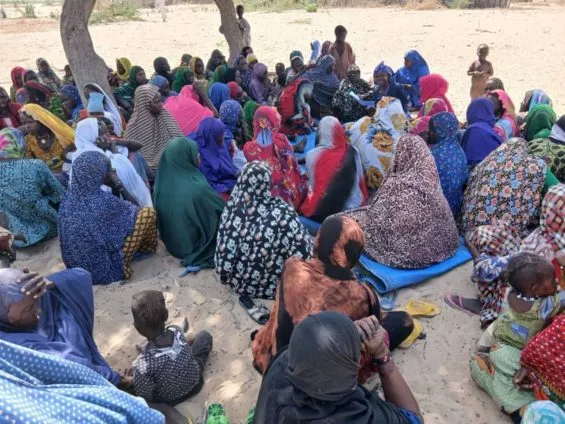
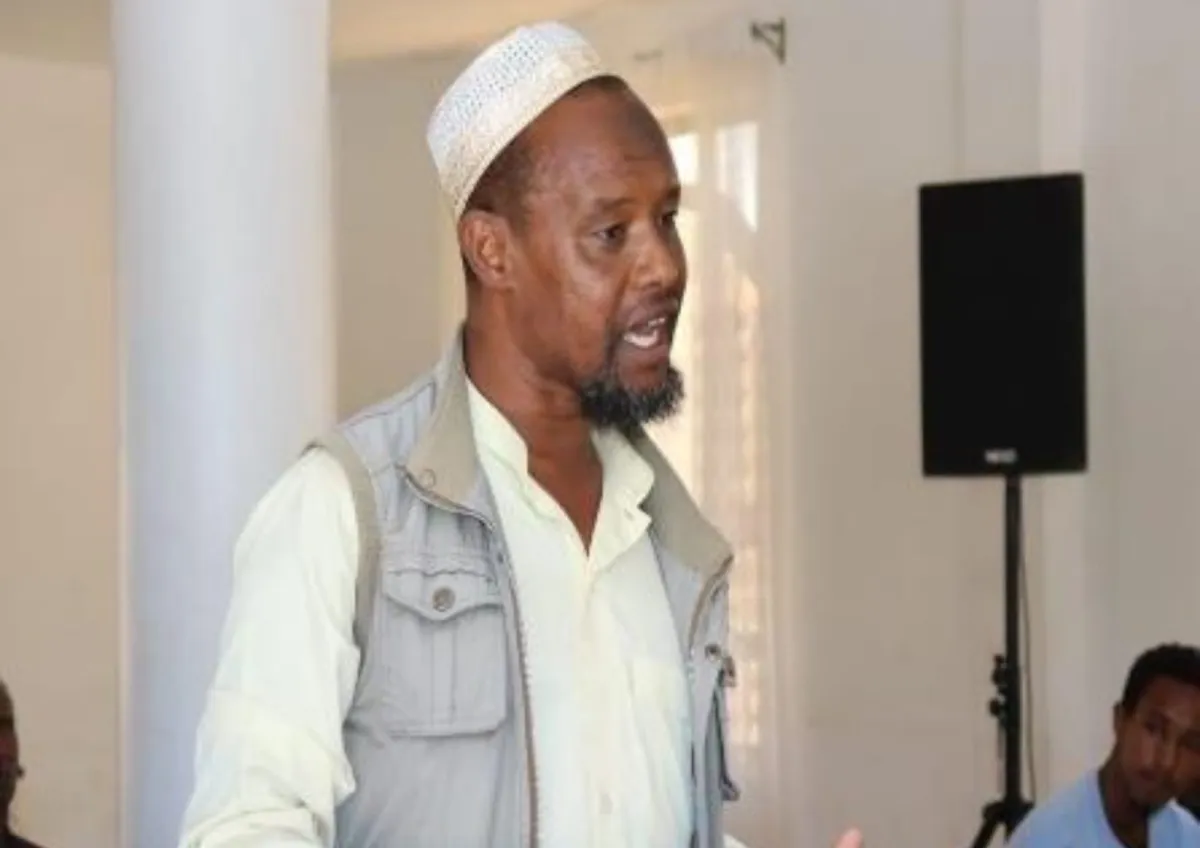
In response, the Rural Programme for Peace and Livelihoods (RPPL) stepped in with a community-based approach grounded in dialogue and prevention. The organisation convened barazas, inclusive outreach forums akin to town hall meetings, offering residents a platform to share their concerns directly with local authorities and co-develop practical, locally-owned solutions.
Through this dialogue, the community agreed on several key action points:
- Regular evening security patrols, jointly carried out by police and community members;
- Holding local chiefs accountable for re-enrolling school dropouts;
- Strengthening the role of nyumba kumi (community safety units) in early-warning and intelligence gathering;
- Encouraging families to enroll out-of-school youth in vocational training programmes to reduce idleness and build pathways to employment.