In November 2024, a 47-year-old Kyrgyz woman was repatriated from Syria after spending seven harrowing years in a conflict zone, including time in detention. She returned to Kyrgyzstan with her five biological sons (aged 20, 12, 10, 9, and 8) and her 16-year-old niece, seeking a fresh start after enduring profound personal loss and trauma.
The family’s journey into the conflict zone began under pressure from the woman’s father. While abroad, she lost her eldest son, sister, and nephew to the violence, and became disconnected from her eldest daughter, whose current whereabouts remain unknown. Her parents passed away while she was in Syria, and her younger sister, who stayed behind, sold the family home, leaving her and her children with no property, no support, and no permanent shelter upon return.
Her children, who had never attended school, suffered from physical and psychological health issues, compounded by years of exposure to war and deprivation. Her niece, in particular, had experienced severe trauma, having witnessed the killing of her mother and younger brother, and being separated from another sibling who remains unaccounted for.
This family’s story reflects the complex aftermath of conflict zones influenced by the Islamic State in Iraq and Syria (ISIS), which manipulated religious narratives to recruit and control families. Today, repatriated women and children are among the most vulnerable, facing stigma, trauma, and the daunting challenge of rebuilding their lives with little to no support.
With the support of a locally-led rehabilitation and reintegration (R&R) programme, critical steps were taken to stabilise the family:
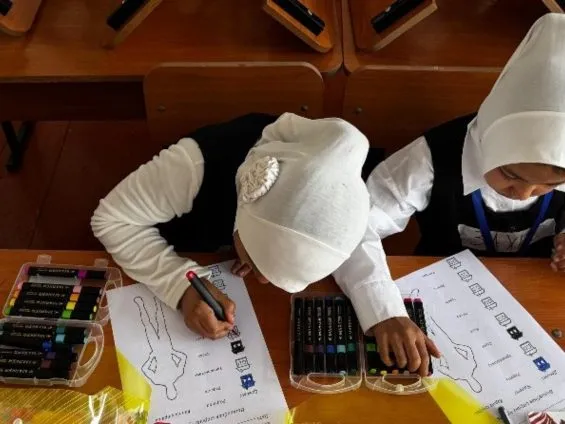
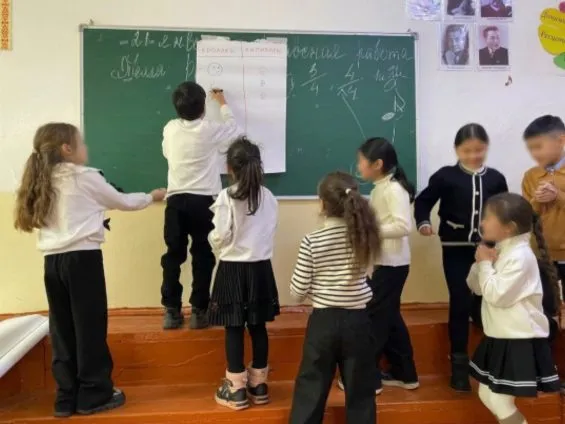
- Birth certificates were issued, and the children were enrolled in school for the first time;
- The family received seasonal clothing, school uniforms, medical check-ups, and medications;
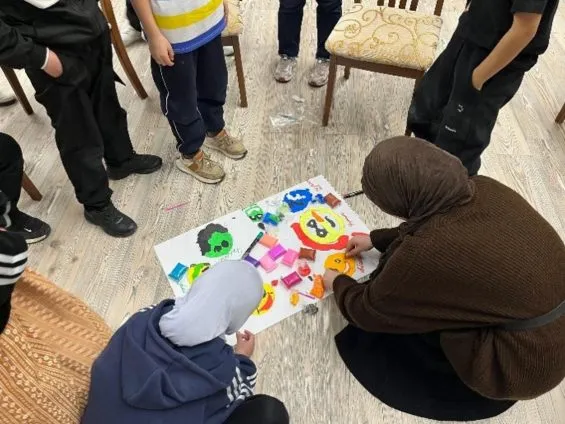
- All children accessed psychological and psychiatric support, while tutoring sessions helped them catch up academically;
- The mother received spiritual counselling from trained theologians to support her recovery and reintegration;
- Her eldest son, with support from relatives, found employment, helping to provide food for the family.