Recalibrating Security-Community Relations for the Prevention of Violent Extremism in Northern Kenya
AUTHORS
Mohamedamin Issack, Samhita Ayaluri
In Northern Kenya’s counties of Garissa, Isiolo, and Mandera, the sight of a police Land Rover once meant trouble, prompting community members to withdraw rather than engage. Today, these same communities actively convene meetings with security actors, report suspicious activity through digital channels, and participate in joint security responses to threats. What changed?
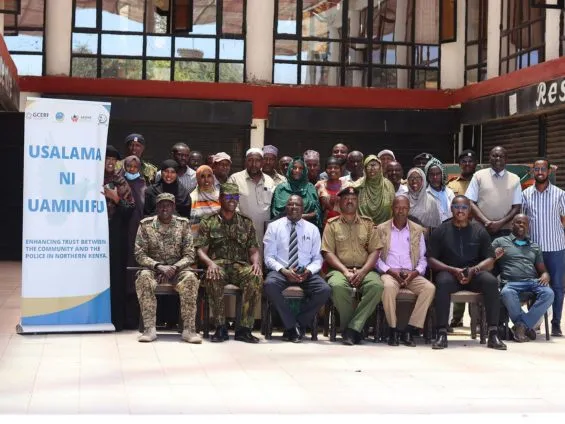
The ‘Usalama Ni Uaminifu’ (or Security is Trust) project, funded by the Global Community Engagement and Resilience Fund (GCERF) and led by the Regional Pastoralists Peace Link (RPPL) in a consortium with African Child Development Organization (ACDO) and Action for Sustainable Change (AFOSC), has been central to this change. The programme, that ran between January 2024 and December 2025, focussed on strengthening trust between communities and security actors as a strategy for preventing violent extremism. This distrust is one of the drivers of violent extremism in Kenya.
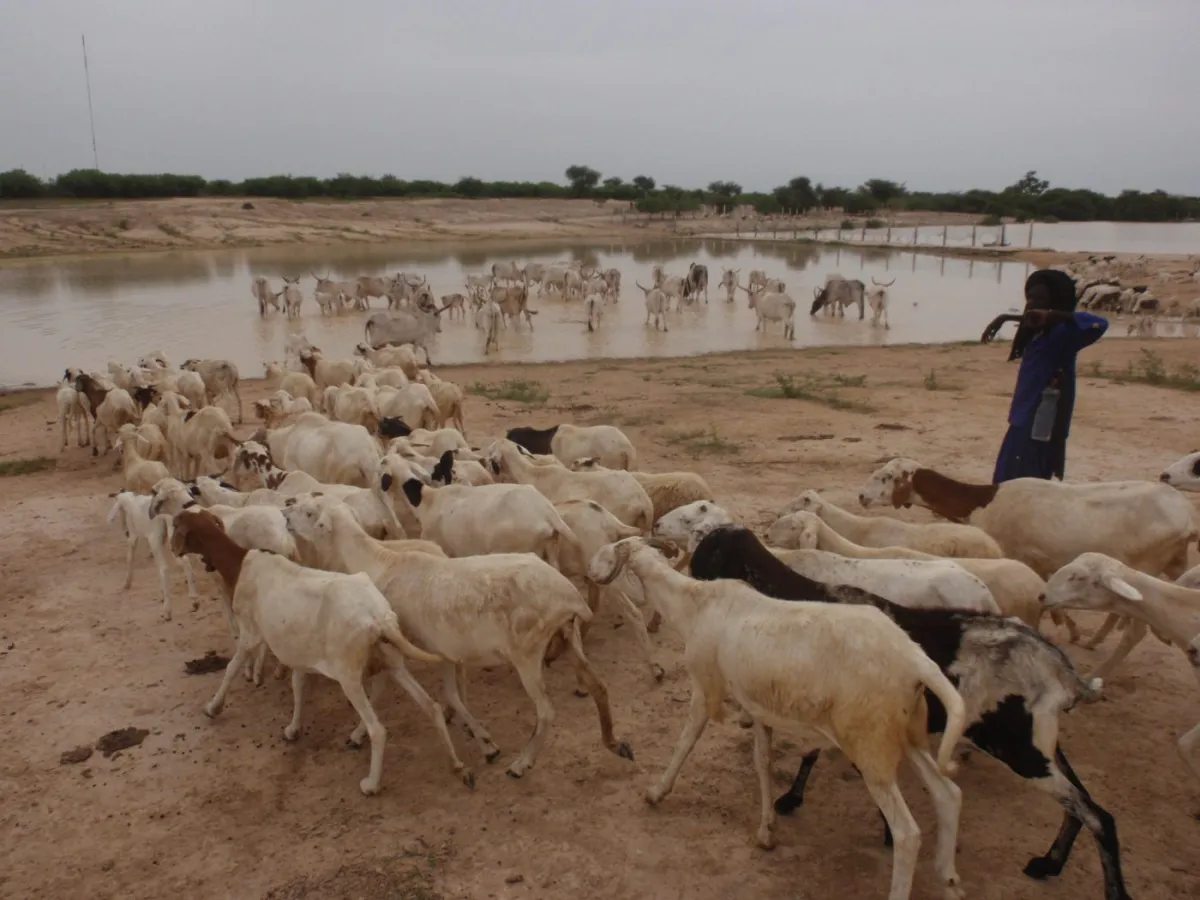
Garissa bordering Somalia, and Mandera bordering both Somalia and Ethiopia, face persistent cross-border security threats linked to Violent Extremist activities. Isiolo County occupies a strategic transit corridor connecting Northern and Central Kenya, and has experienced vulnerabilities linked to youth marginalisation, intercommunal tensions, and exposure to extremist influence networks. Across all three counties, strained pastoral livelihoods, unemployment, and weak trust between communities and security actors created conditions that heightened vulnerability to violent extremism. In such a context, the effectiveness of security interventions depends not only on state capacity but also on the quality of the relationship between communities and security actors. These relationships determine whether early warning signals are shared, whether communities feel safe reporting threats, and whether extremist narratives portraying the state as oppressive gain traction.
At the outset, baseline findings of the program revealed low levels of trust between community members and security actors. Only 15.1% of community members expressed strong confidence in community policing structures[1], and just 9.3% rated these structures as ‘very effective’ in preventing/countering terrorism. Historical grievances, including heavy-handed enforcement, perceived abuse of authority, and weak feedback mechanisms, had entrenched mistrust and discouraged cooperation.
Over a two-year period, RPPL and its consortium partners focused on rebuilding trust through structured dialogue, inclusive engagement, and mutual accountability. Rather than introducing entirely new systems, the project strengthened existing community-based mechanisms, particularly the Nyumba Kumi initiative.
Nyumba Kumi (or Ten Households) is a government-established community policing model in which clusters of ten neighbouring households share responsibility for local security. Each cluster is led by an elder or focal person who acts as the first point of contact for security concerns. Prior to the intervention, these structures were largely symbolic in the target counties. The elders described their roles as having “limited functional relevance,” with weak links to formal security actors and no clear reporting or feedback mechanisms.
The project addressed these gaps through targeted capacity strengthening. Across the three counties, 90 Nyumba Kumi Area Managers and Cluster Heads were trained in early warning identification, formal reporting procedures, conflict mediation, human rights processes, and coordination with Early Warning and Early Response (EWER) centres and police. Importantly, these community policing structures operate voluntarily, drawing motivation from community ownership and local legitimacy.
This was complemented by structural dialogue platforms, which brought together Nyumba Kumi Committees, community leaders, women, youth, and security actors to rebuild communication, clarify roles, and establish mutual accountability. These engagements extended into practical collaboration, including joint night patrols between Nyumba Kumi committees and security actors.
The project resulted in significant and measurable improvements in trust, engagement, and the effectiveness of community-security collaboration mechanisms. Confidence in community policing structures increased substantially, rising from 15.1% at baseline to 41.03% by the end of the intervention period. Similarly, perceptions of effectiveness improved, with the proportion of respondents rating these structures as ‘very effective’ in countering terrorism increasing from 9.3% to 30%. These shifts translated into behavioural change, with 65% of respondents reporting having shared a security concern with either the police or the EWER system within the past two years, and 66.2% of these reports were channelled through EWER centres. Awareness of these centres reached 83.4%, suggesting that the project not only strengthened trust but also enhanced knowledge and utilisation of formal reporting mechanisms.
Importantly, 82.25% of respondents stated that security conditions would deteriorate if community policing structures were removed, underscoring their perceived value and embeddedness within local security ecosystems. Within this framework, Nyumba Kumi elders emerged as a critical intermediary layer. By the end of the project, they were identified as the second most common first point of contact during security incidents (28.44%), surpassing direct engagement with police (16.41%) and second only to local Chiefs. Furthermore, 72% of these Nyumba Kumi Committees reported actively applying the skills acquired through the project to address real security or conflict-related issues, indicating a high level of practical knowledge transfer and sustained application. Collectively, these outcomes demonstrate that strengthening community-based structures can enhance both the reach and responsiveness of formal security systems, while simultaneously fostering trust and participation at the local level.