Stories of Change
Featured
Story
From Football Fields to Safe Spaces: Building Youth…
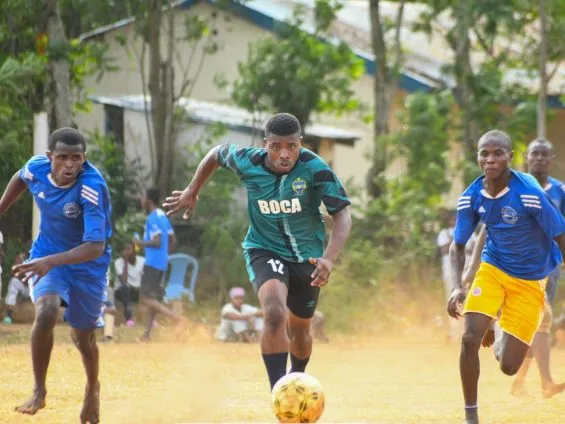
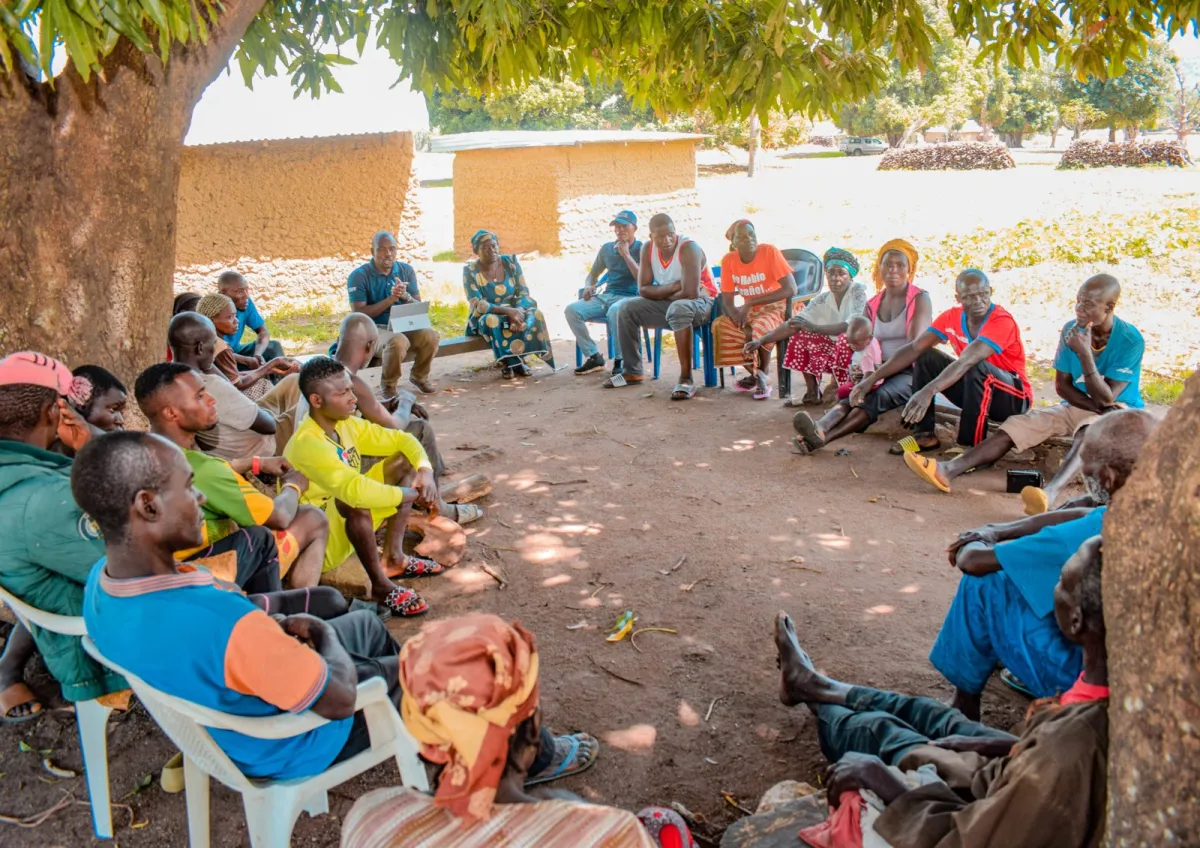
In Garbatulla Sub-County, Isiolo, at-risk youth once had nowhere to turn – No structured support to protect them from the pull of violent extremism. That began to change when RPPL’s GCERF-supported SIRR programme found a powerful ally in Abduba, a respected youth leader and chairperson of the local football federation.
Read story →Latest Stories
-
Story
Breaking the Cycle of Violent Extremism: Daina’s Story of…
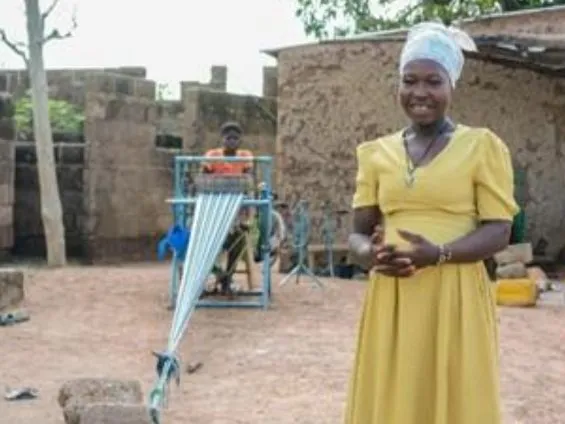
In 2024, STAR Ghana Foundation taught Daina weaving along with market skills, digital literacy, and ways to prevent violent extremism, while a village savings group helped her manage her money.
Read story → -
Story
From Participant to Peace Actor: Safia’s Role in Calming…
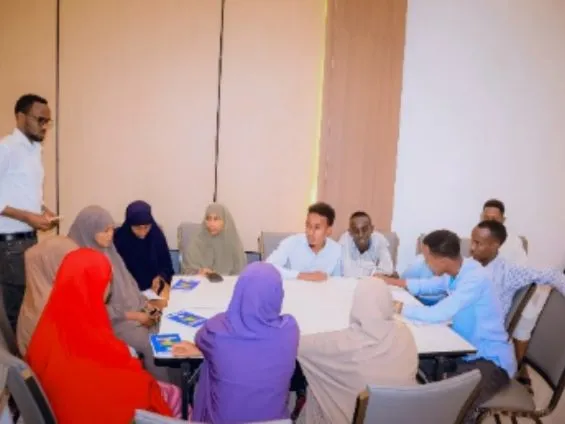
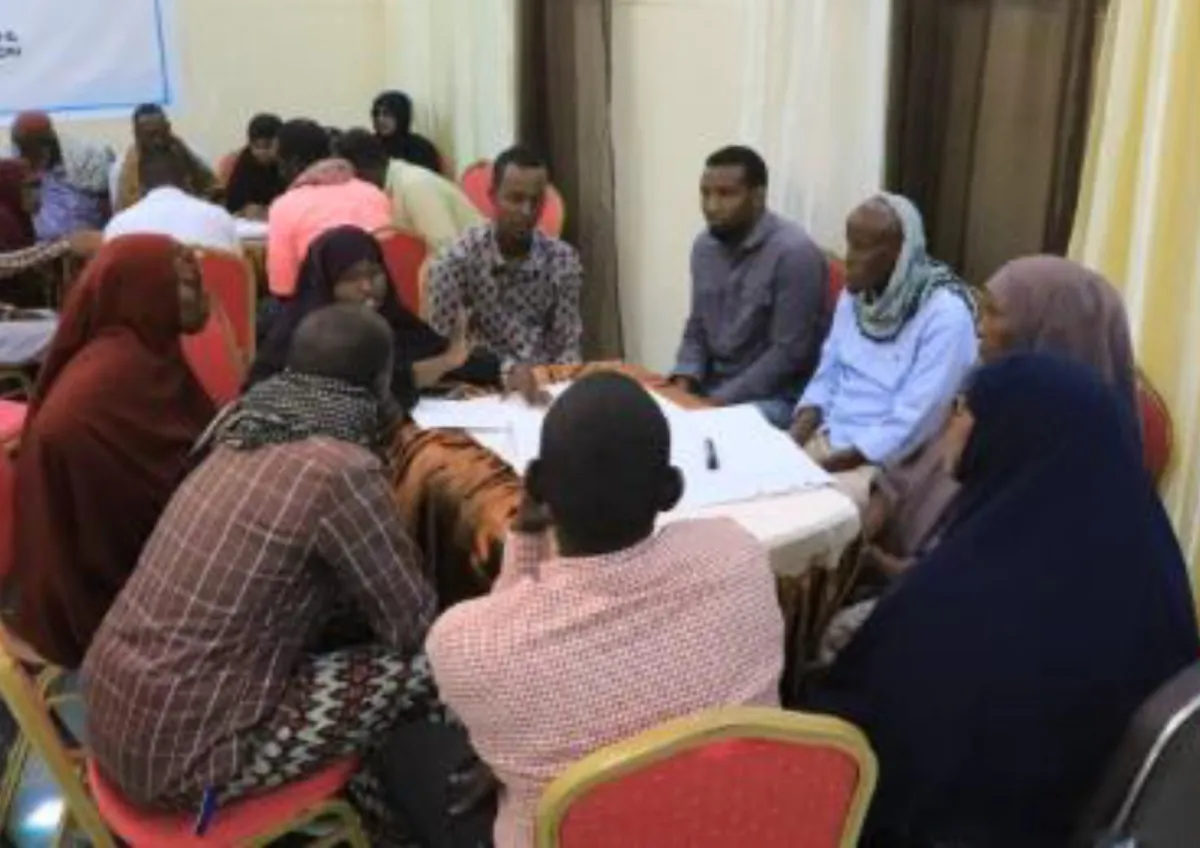
In Somalia, a GCERF-supported locally-led initiative equipped women and youth with dialogue, mediation, and conflict de-escalation skills to strengthen their role in local peacebuilding. Through coaching and practice, participants gained confidence to address tensions constructively and contribute to more resilient, peaceful communities.
Read story →
Our work
29 results
-
Story
Empowering Tibesti’s youth against violent extremism
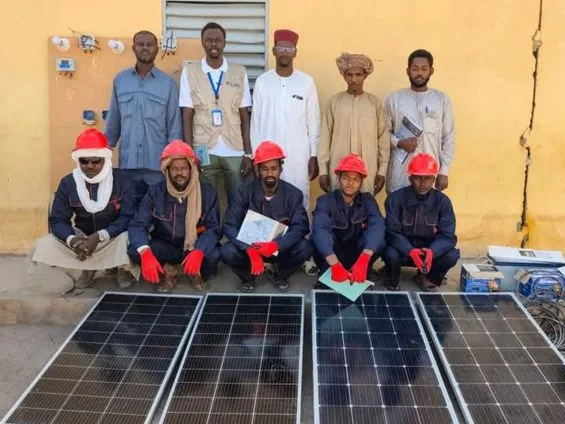
Tibesti, a remote and underdeveloped region in the North of Chad shares borders with Libya where the presence of Daesh group and its porous borders pose a threat to the peace and stability in the region. Limited access to education, economic opportunities and vocational skills leaves young people particularly vulnerable to recruitment by Daesh. This vulnerability is amplified by Tibesti’s history of youth involvement in rebel movements as well as their exposure to small arms and illicit activities such as smuggling, drug trafficking and human trafficking. Together, these factors create fertile ground for terrorist groups seeking to exploit disenfranchised youth and destabilise the region.Youssouf Issa, a young individual in Bardai (Tibesti region) is one among the unemployed individuals who is exposed to violent extremist rhetoric and remains vulnerable to recruitment by terrorist groups. “Sometimes I would listen to people saying that our situation would never change, that we had to fight against it.one way or another,” said Youssouf to our civil society partner ATAHS.In this backdrop, ATAHS, one of GCERF-funded civil society organisations in Chad, implements a programme targeting vulnerable youth like Youssouf and trains them in economic and entrepreneurial skills to strengthen their resilience against radicalisation. Youssouf participated in the training and learnt the installation and maintenance of photovoltaic systems, a rare but crucial skill in this neglected region.“The first time I held a screwdriver, I was nervous. But little by little, I realised I could do it.”At the end of the training, Youssouf received a complete solar kit, ready to help him start a business. He was also integrated into a local solar energy workshop, which enabled him to start offering his services around Bardai. Today, although his beginnings remain modest, Youssouf feels that he has changed course. He has already started helping other young people, and his first act was to install a solar panel in his neighbourhood.“Before, I felt useless. Now I have a skill, I earn a little money, and above all, I have found my place,” said Youssouf.Youssouf’s journey is a reminder that when young people are given the chance to learn, to work, and to belong, they become powerful drivers of peace rather than targets for extremism. His journey shows that resilience is built one young person at a time and that empowering youth is not merely prevention, but the foundation of long-term stability in Tibesti.
Read story → -
Story
Turning Risk into Opportunity: A Young Technician’s Path to…
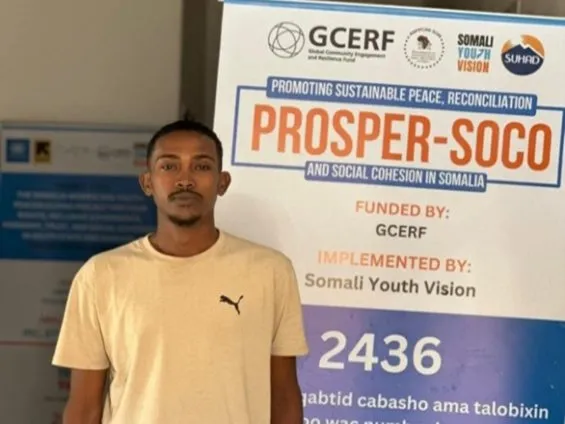
At 22, Mohamed from Baidoa embodies resilience, transformation, and hope. After dropping out of school in Grade 8, Mohamed came close to being drawn into an extremist group at 17. Witnessing the arrest of close friends, he courageously chose a different path. Fearing for his safety, he briefly relocated to Mogadishu before returning home, determined to rebuild his life.
Read story → -
Story
From Doubt to Digital Success: Empowering Youth Against…
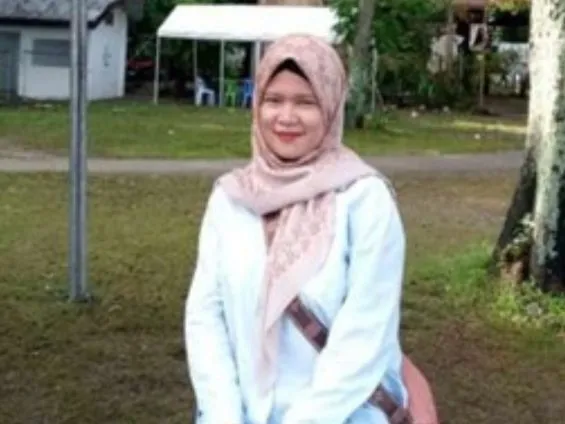
Satria, an out-of-school youth from Mamasapano, Maguindanao del Sur, joined the Elevate AIDA training hoping to gain new skills and explore online work opportunities. What she did not expect was how profoundly it would change her mindset, confidence, and future prospects – all of which contribute to reducing vulnerability to violent extremism.
Read story → -
Story
From Fear to Freedom: Rebuilding Life After Extremism
Hadjiya, 39, is a mother of six from Niamey, Niger. At 18, she moved to Diffa to live with her sister, married to a police officer. There, she met the man who would become her husband. He appeared wise and well connected, with business partners in Chad, but she knew little about his real activities.When Boko Haram’s influence surged in Diffa, Hadjiya discovered the truth: her husband was a member of the extremist group. By then, it was too late for her to leave safely. As authorities intensified efforts to identify those linked to violent extremist networks, her husband persuaded her to follow him to a forest near Lake Chad to join a local Boko Haram leader.Hadjiya spent eight difficult years living under constant threat, from security operations to rival factions. Life was extremely precarious: no clean water, no healthcare, little food. She witnessed the deaths of many pregnant women due to the absence of medical support. Her mother-in-law repeatedly urged them to return home, but her husband refused.When the Nigerien government announced an amnesty for those who voluntarily surrendered, her husband finally agreed to escape. The family fled together, but on the way, they were intercepted by fighters, who kidnapped one of their daughters. Her husband fled to Nigeria, while Hadjiya managed to return to Diffa with her remaining children, where they were received by the authorities and enrolled in the GCERF-funded PAISRSIP programme.Through the project, Hadjiya participated in judicial profiling, deradicalisation sessions, and psychological support, crucial steps in rebuilding trust, resilience, and social reintegration. After receiving her certificate of exemption from prosecution, she and other former associates of extremist groups were supported to restart their lives through tailored income-generating activity kits and career guidance.Hadjiya chose to launch a ready-to-wear clothing business. Today, her enterprise has grown steadily, enabling her to earn a reliable income and diversify into selling incense and food near the Diffa Governor’s Office. She now saves regularly and contributes to a neighbourhood tontine of 20,000 CFA francs each month.Hadjiya’s journey shows the transformative impact of community-based reintegration and preventing violent extremism (PVE) support. With stability, economic opportunity, and tailored psychosocial assistance, she and her children have rebuilt their lives and broken the cycle of violent extremism.
Read story → -
Story
The Cubs of the Caliphate Live on (Syria)
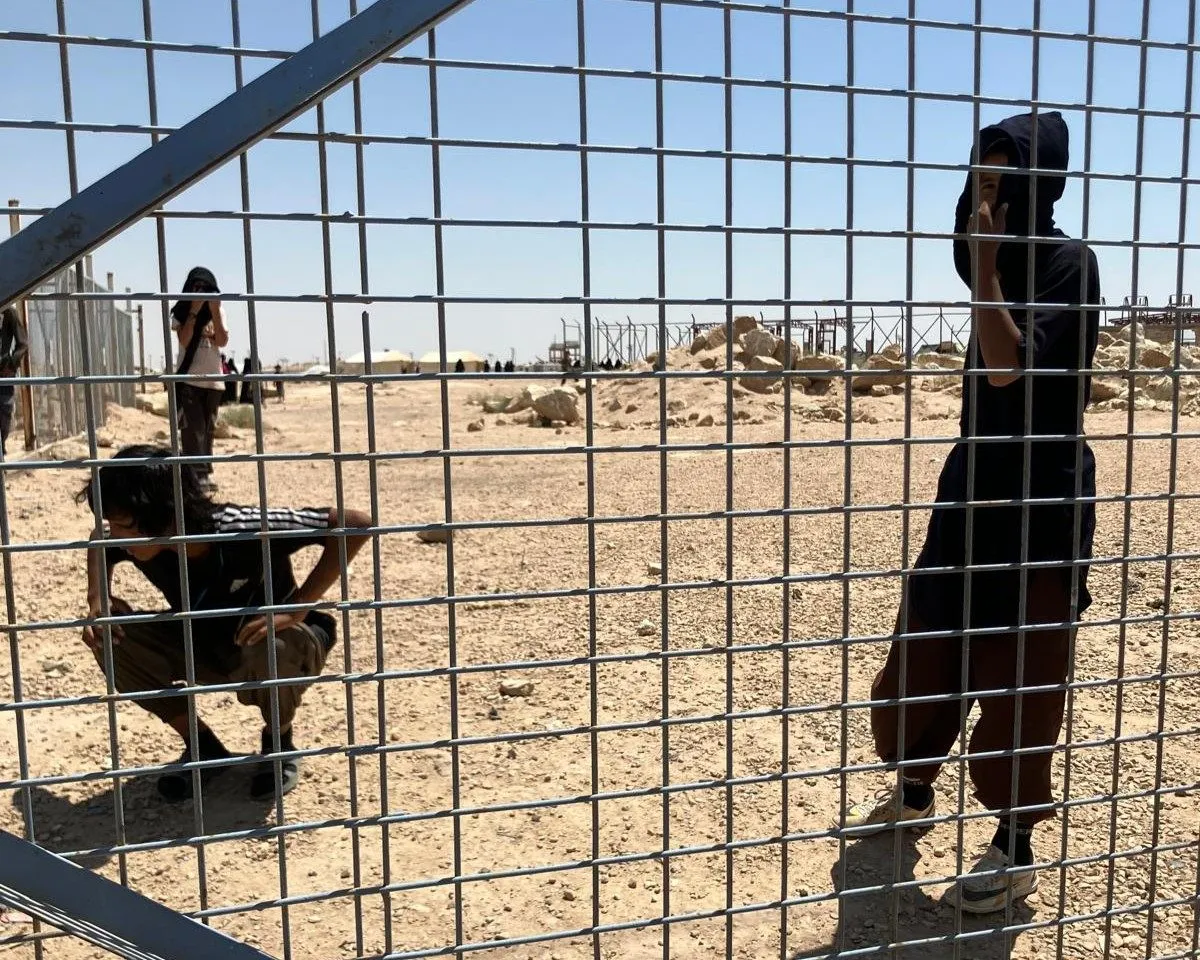
I climbed in and out of our van to pass through the eight checkpoints that led to Al Hol, the notorious camp where women and children associated with the deadliest terror group, ISIS, are detained. The environment is unkind. It is situated in a stone desert far from any bigger urban settlement. The landscape is occasionally dotted with oil pumps and has no vegetation. At 11 AM, the temperature soars to 52 degrees Celsius, no shade, just dust and blazing sun.The many kilometres-long white-blue fence appears from far. I notice the first women who are covered head to toe, including gloves, thick black abayas, and full-face veils, battling with the elements of Mother Nature. It is hard to breathe, and dust fills our lungs as we descend to meet the camp administration. Few know, but in Syrian Kurdistan, civil servant leadership positions are shared between men and women, and as such, they co-lead. Clearly, they take gender equity seriously.
Read story → -
Story
Jamil’s Story: A Father’s Commitment to His Children’s…
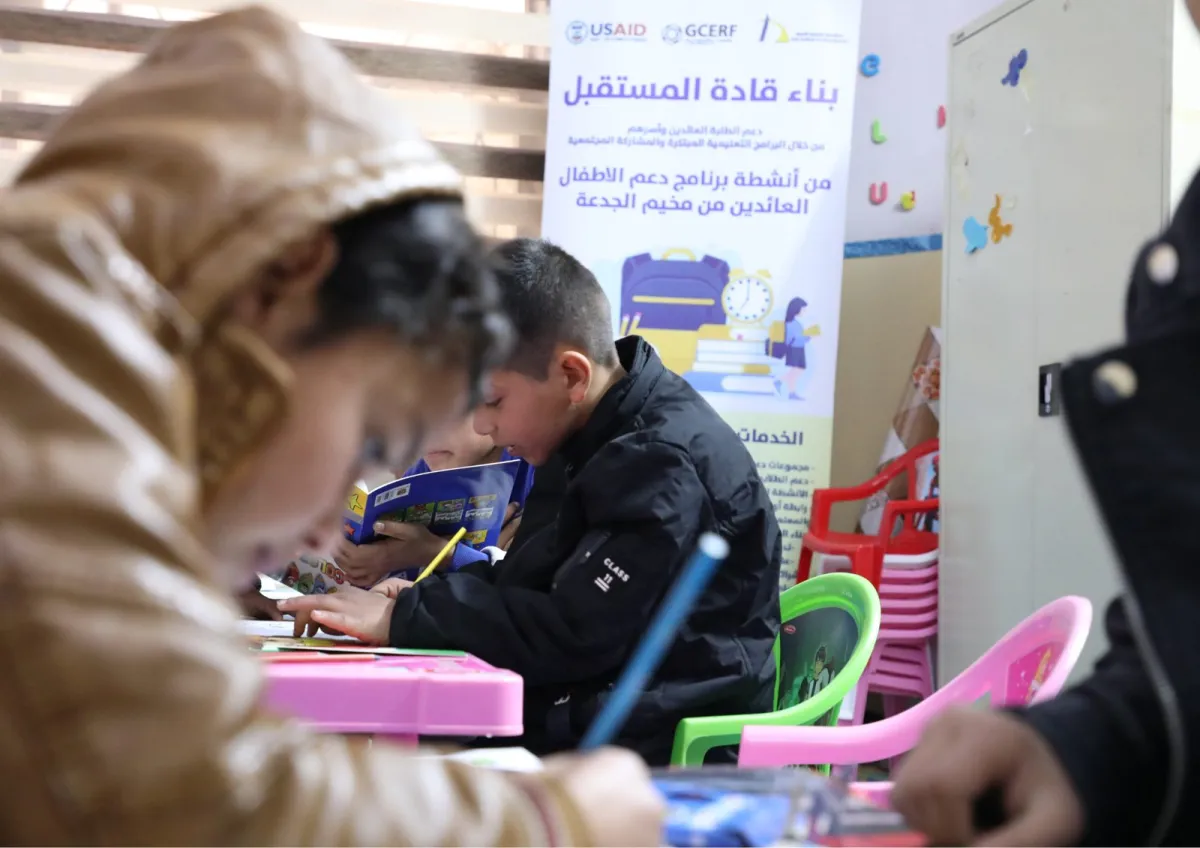
Jamil, a father of six, returned to West Mosul carrying the emotional and economic weight of years spent in displacement. His journey took him and his family through Al-Hol and Al-Jada camps, spaces often associated with trauma, deprivation, and the lingering legacy of the Islamic State in Iraq and Syria (ISIS) control.
Read story → -
Story
A Glimpse into What’s Missing: Children’s Voices from the…
As part of the “Prospero” Programme, the Community Development Fund launched a series of creative, interactive extracurricular activities aimed at children aged 10–14 from underserved communities. These activities included theatre-based workshops, storytelling circles, team-building games, and guided discussions on emotions, values, and friendship, all designed to create a safe, expressive space for children to learn, share, and connect.
Read story → -
Story
Restoring Family Bonds and Preventing Vulnerability…
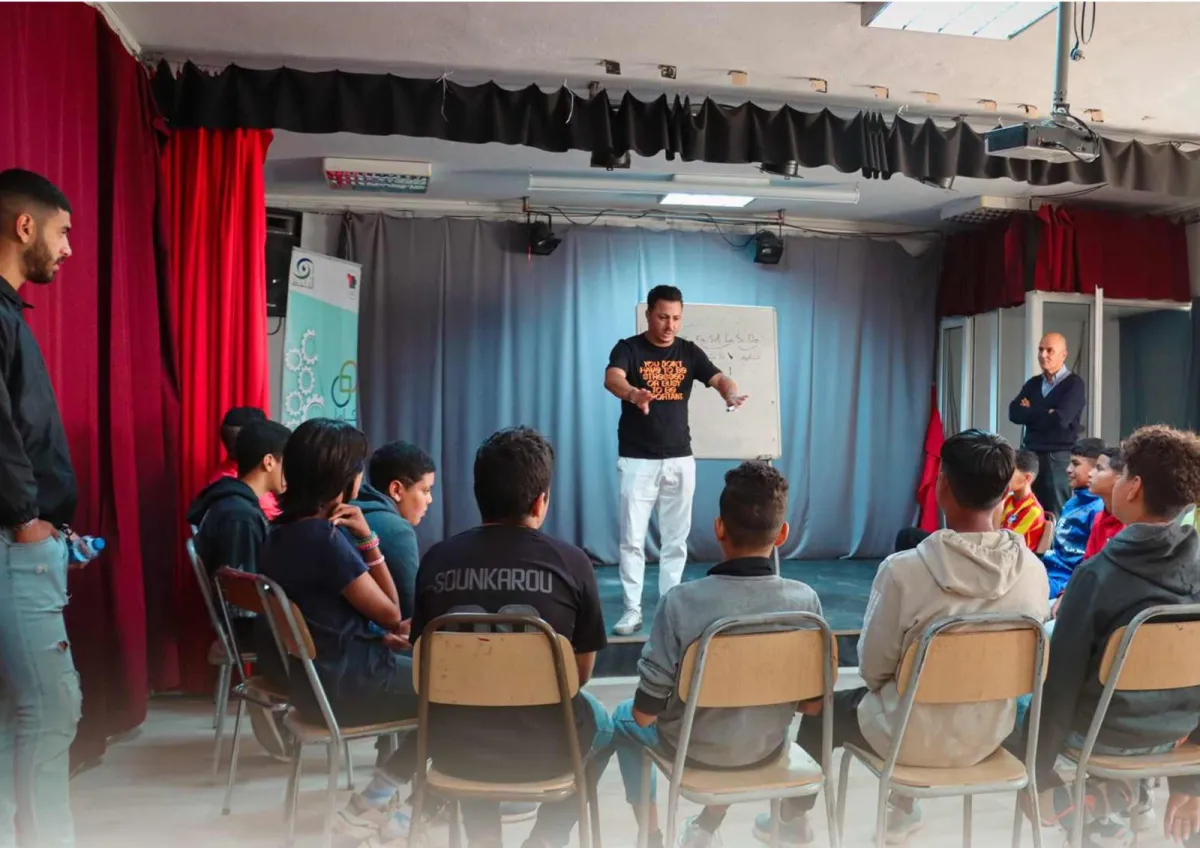
Murad, a 15-year-old boy from rural Siliana, Tunisia, grew up amid loss and hardship. After his mother’s death, he became the sole caregiver for his ill grandfather, shouldering responsibilities far beyond his years. Isolated and emotionally strained, his relationship with his father broke down, leading to emotional neglect and eventually dropping out of school.
Read story → -
Story
The Power of Digital Peace Messaging (Somalia)
Mahamed, 21 years old, had always been active on social media, using his platforms to share music clips and sports content. Living in a village near Baidoa that has experienced radicalisation attempts by Al-Shabaab, he was aware of how easily youth could be misled by online misinformation and extremist propaganda.
Read story → -
Story
From Fear to Security: How Community Policing Transformed…
For years, Dutsinma Local Government Area in Katsina State, Nigeria was plagued by banditry. Residents lived in constant fear, unable to sleep at night, as violent extremist groups launched repeated attacks, displacing families and destabilising daily life.
Read story → -
Story
The story of Yusuf, A Former Boko Haram fighter (Niger)
Yusuf, a 22-year-old individual from the commune of Bosso in Niger became a Boko Haram fighter at a very young age and lived with the group for over 10 years.
Read story → -
Story
From Uncertainty to Opportunity: Mariam’s Path to…
Mariam, 25, lives in the village of Diogountourou, in the Khabou department, Mauritania. After leaving school early and experiencing a short-lived marriage, Mariam returned to live with her parents, uncertain about her future.
Read story → -
Story
New Beginnings After Conflict: A Returnee Mother Rebuilds…
In November 2024, a 47-year-old Kyrgyz woman was repatriated from Syria after spending seven harrowing years in a conflict zone, including time in detention. She returned to Kyrgyzstan with her five biological sons (aged 20, 12, 10, 9, and 8) and her 16-year-old niece, seeking a fresh start after enduring profound personal loss and trauma.
Read story → -
Story
Tullu Roba: Restoring Security Through Dialogue and…
Before November 2024, the village of Tullu Roba in East Division, Wabera Ward (Kenya), was facing a worrying decline in security and community cohesion. Residents reported a spike in petty theft, growing drug and substance abuse and a marked drop in school attendance, with many youth loitering aimlessly instead of pursuing education or employment. In communities like Tullu Roba, idle and disconnected youth are often prime targets for recruitment by extremist groups.
Read story → -
Story
Voices of Hope: Majina’s Role in Healing Divides (Sri Lanka)
Majina, a 31-year-old woman from a small village in Ampara District, grew up in a predominantly Muslim community with limited exposure to people from other ethnic or religious backgrounds. Her conservative family often spoke about the wrongs committed by Sinhala Buddhists, especially during incidents of communal violence such as the 2018 Digana violence. This led to a deep mistrust of other communities, particularly Sinhala Buddhists. “I didn’t know how to interact with others from outside my community. It wasn’t because I didn’t want to, it’s just that, because of everything I was told, I no longer had the confidence,” Majina recalled.
Read story → -
Story
From Vulnerability to Resilience: Abdelkader’s Journey…
At just 24 years old, Abdelkader was on the brink of being recruited by informal groups promoting violent extremist ideologies. Frustrated by persistent barriers to employment, strained inter-community relations, and a life marked by instability and personal trauma, Abdelkader experienced a deep sense of powerlessness and anger. These factors made him particularly vulnerable to radicalisation. The violent extremist groups continue to exert a strong influence over disillusioned youth like Abdelkader.
Read story → -
Story
Drissa’s Story: From Fear to a Future (Burkina Faso)
“My name is Drissa, I am 12 years old and I come from the village of Tomba. I was in CM1 (4th grade) when everything changed. One day, while we were in class, armed men arrived on motorcycles. Our teacher told us to hide under the desks. I thought I was going to die. They gave us an ultimatum. After they left, we had no choice but to flee the village.”
Read story → -
Story
Rebuilding Lives Beyond the Camps in Syria
One afternoon in the month of April 2025, I had lunch with three boys who were born eight years ago in the Al-Hol camp in Northeast Syria. Al-Hol camp is a dire and bleak place where thousands of family members of the Islamic State in Iraq and Syria (ISIS) fighters live. Their mothers come from Yathrib, the last town in Iraq to be overtaken by ISIS and the first town to be liberated.
Read story →
Explore more
-
Annual report
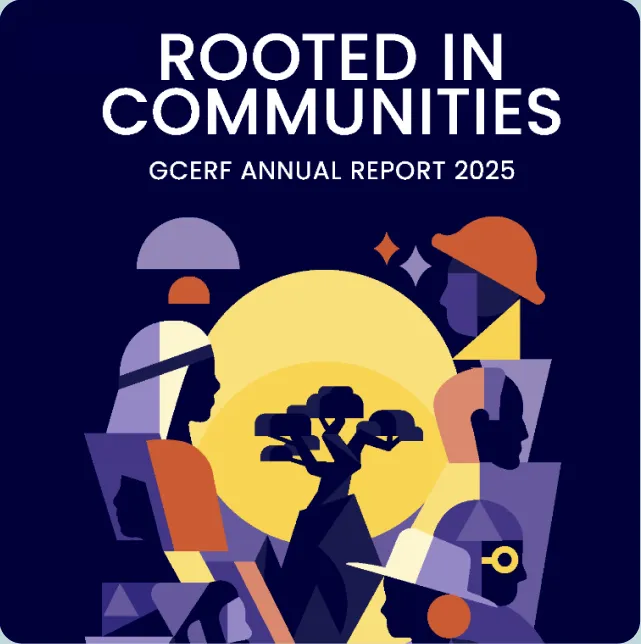
Rooted in communities
Our most recent annual report documents GCERF’s results, investments, and impact across all countries and programmes in 2025.
Read report → -
Podcast
Learning, Earning and Belonging: Pathways to Reintegration
In this episode of Turning Points, host Basile Ema Ebede, GCERF’s Regional Manager for South-East Asia, is joined by Aisah Ponce Macabuat, Project Manager at ECOWEB Philippines, to explore how education, vocational training and livelihood development can support rehabilitation and reintegration.
Listen to episode → -
Report
Mental Health and Psychosocial Support in Rehabilitation and…
Recommendations on integrating MHPSS into R&R programmes, drawing on country-level experiences and practical lessons.
Read report → -
Podcast
The Role of Faith Leaders and Youth in Deradicalisation and…
Faith leaders can be among the most trusted people in a community. But what happens when that trust is brought into the work of rehabilitation and reintegration? In this episode of Turning Points, host Samhita Ayaluri explores how faith leaders and youth actors can contribute to preventing violent extremism, and building stronger, more resilient communities.
Listen to episode → -
Story
From Football Fields to Safe Spaces: Building Youth…
In Garbatulla Sub-County, Isiolo, at-risk youth once had nowhere to turn – No structured support to protect them from the pull of violent extremism. That began to change when RPPL’s GCERF-supported SIRR programme found a powerful ally in Abduba, a respected youth leader and chairperson of the local football federation.
Read story →