Knowledge Hub
GCERF is uniquely positioned to translate community-level learning into knowledge that shapes the global response to violent extremism and terrorism. Our knowledge products draw evidence directly from programmes implemented by civil society organisations in the most remote and fragile contexts, offering insights grounded in reality.
Latest content
-
Podcast
Learning, Earning and Belonging: Pathways to Reintegration
In this episode of Turning Points, host Basile Ema Ebede, GCERF’s Regional Manager for South-East Asia, is joined by Aisah Ponce Macabuat, Project Manager at ECOWEB Philippines, to explore how education, vocational training and livelihood development can support rehabilitation and reintegration.
Listen to episode → -
Report
Mental Health and Psychosocial Support in Rehabilitation and…
Recommendations on integrating MHPSS into R&R programmes, drawing on country-level experiences and practical lessons.
Read report → -
Podcast
The Role of Faith Leaders and Youth in Deradicalisation and…
Faith leaders can be among the most trusted people in a community. But what happens when that trust is brought into the work of rehabilitation and reintegration? In this episode of Turning Points, host Samhita Ayaluri explores how faith leaders and youth actors can contribute to preventing violent extremism, and building stronger, more resilient communities.
Listen to episode → -
Story
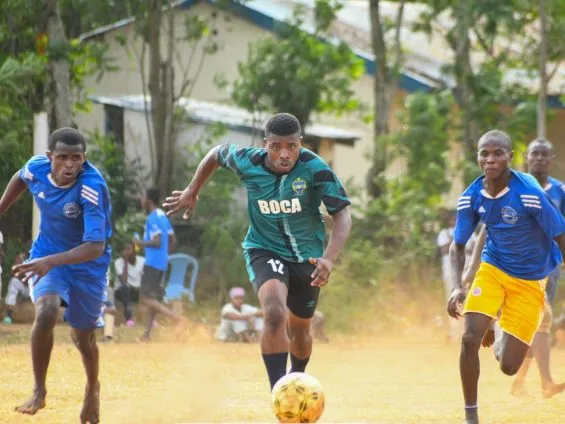
From Football Fields to Safe Spaces: Building Youth…
In Garbatulla Sub-County, Isiolo, at-risk youth once had nowhere to turn – No structured support to protect them from the pull of violent extremism. That began to change when RPPL’s GCERF-supported SIRR programme found a powerful ally in Abduba, a respected youth leader and chairperson of the local football federation.
Read story → -
Story
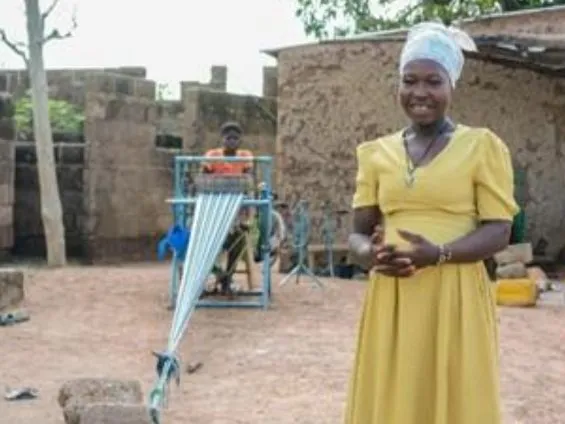
Breaking the Cycle of Violent Extremism: Daina’s Story of…
In 2024, STAR Ghana Foundation taught Daina weaving along with market skills, digital literacy, and ways to prevent violent extremism, while a village savings group helped her manage her money.
Read story → -
Article
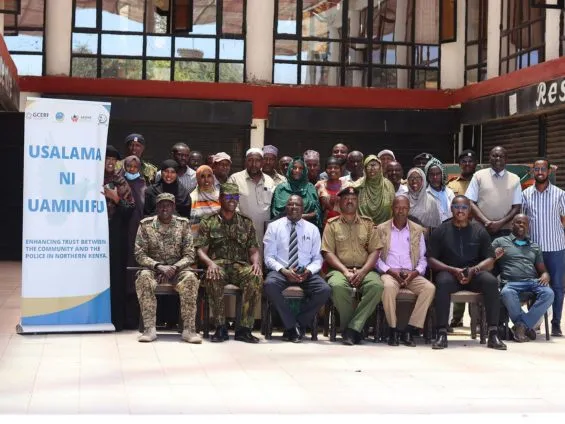
Recalibrating Security-Community Relations: for the…
Mohamedamin Issack, Samhita Ayaluri
Read story → -
Podcast
The Legal Path Home: International Law and The Challenges of…
Before rehabilitation and reintegration can begin, there is a fundamental question: who has the right to return? In this episode of Turning Points, host Basile Ema Ebede, GCERF’s Regional Manager, is joined by Aoife Devlin, a law and politics graduate from University College Dublin. Together they examine the legal challenges surrounding the repatriation of ‘foreign terrorist fighters’ and their families from Northeast Syria — exploring the role of international law, citizenship, and state responsibility.
Listen to episode → -
Press release
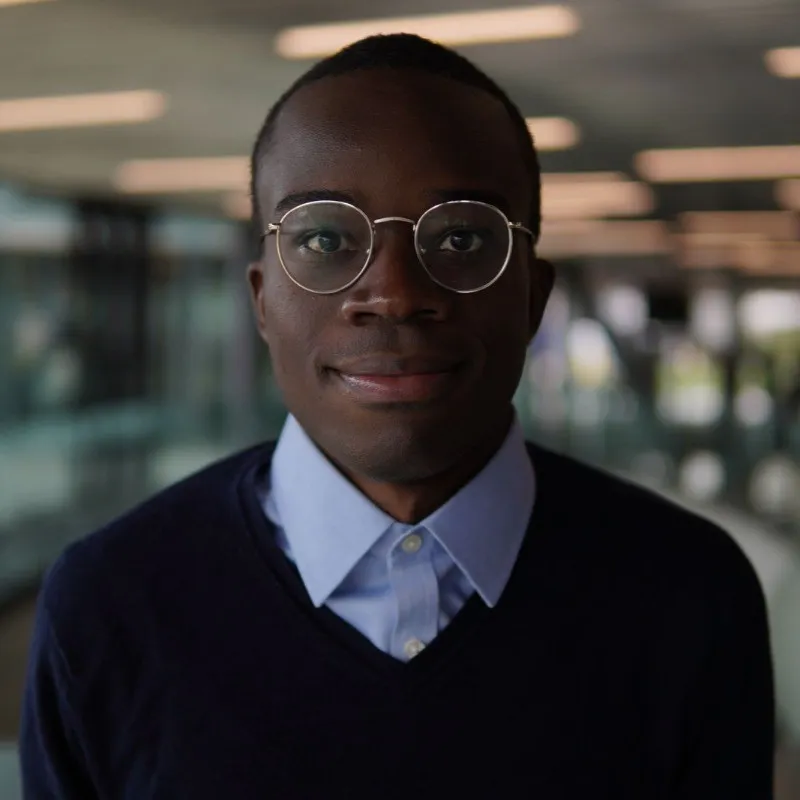
In Loving Memory: Claude-Emmanuel Hiol
It is with profound sadness that GCERF announces the passing of Claude-Emmanuel Hiol, who joined GCERF in 2025 and passed away in an accident. Claude-Emmanuel was working as an intern within the Sahel portfolio, supporting grant management activities in Mali. He was a valued member of the GCERF family, and his loss is felt deeply by all who knew him.
Read story → -
Story
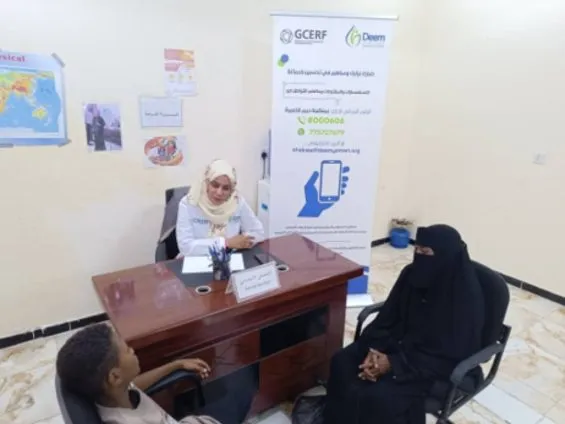
Rebuilding a Future: A Child’s New Beginning in Aden
In early 2026, a GCERF-supported child protection intervention through ‘Deem For Development’ in Aden Governorate, Yemen, helped a vulnerable adolescent move from detention toward reintegration—providing psychosocial support, family assistance, and vocational guidance to rebuild trust, resilience, and hope for the future.
Read story →
Our work
17 results
-
Story
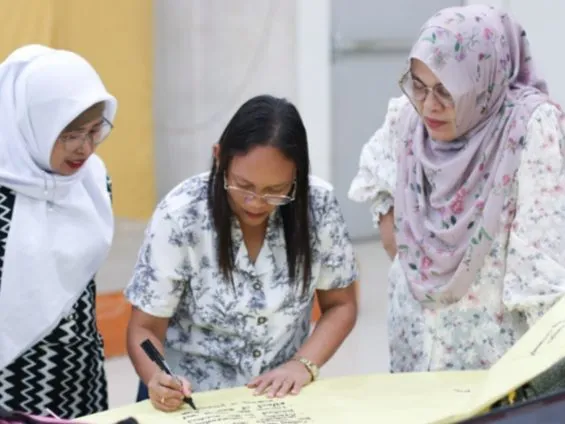
Bridging Narratives: A Story of Cultural Understanding
Through the Teach Peace Build Peace Movement (TPBPM), the Bangsamoro Gallery Exhibit is creating space for dialogue and cultural exchange between Bangsamoro youth and university students in the Philippines.
Read story → -
Story
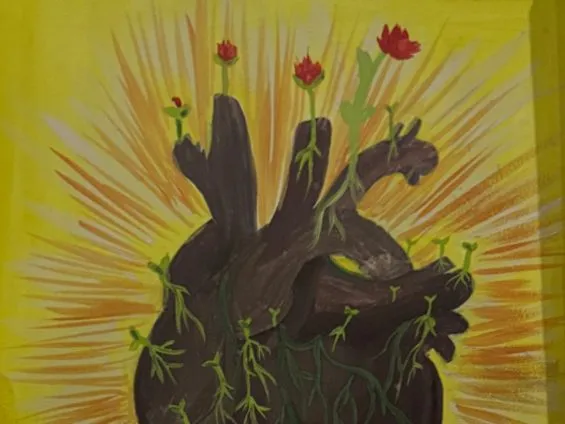
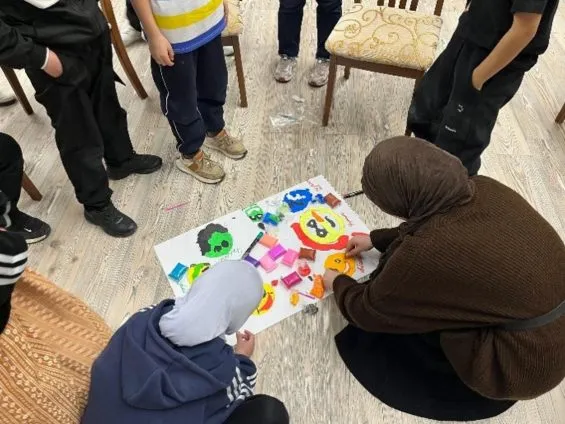
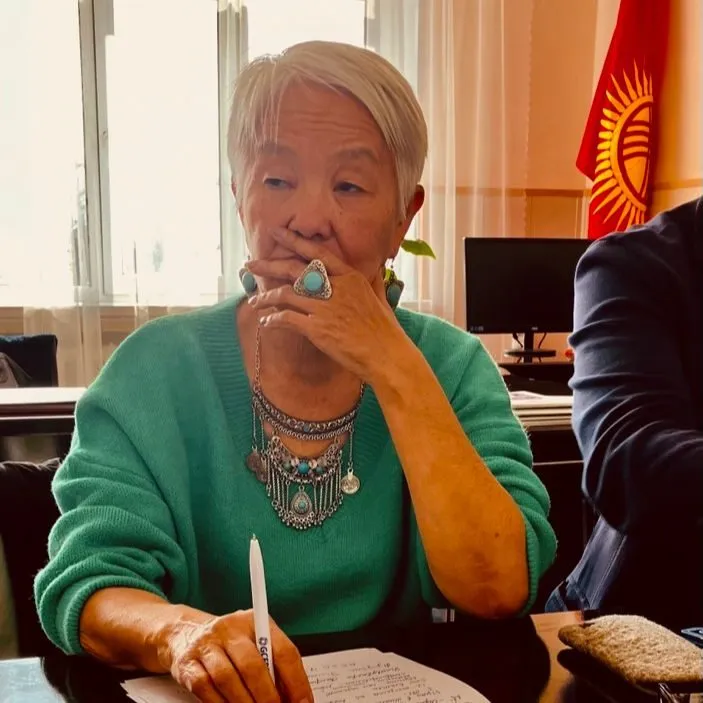
When Healing Looks Like a Drawing
Through GCERF-supported MHPSS activities implemented by SOS Children’s Village in Kyrgyzstan, returning children from Northeast Syria are provided with safe spaces to express emotions, strengthen resilience, and rebuild a sense of belonging through creative approaches such as art-based therapy.
Read story → -
Story
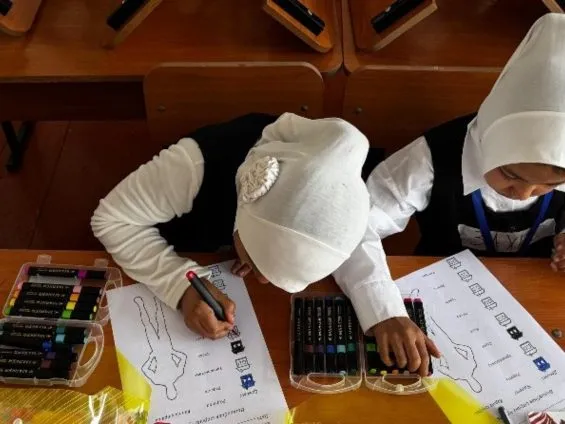
Supporting school reintegration In Issyk-Kul
Targeted educational, language, and psychosocial assistance has enabled three returned children in the Issyk‑Kul region to enter school, overcome language barriers, and integrate into their local community.
Read story → -
Story
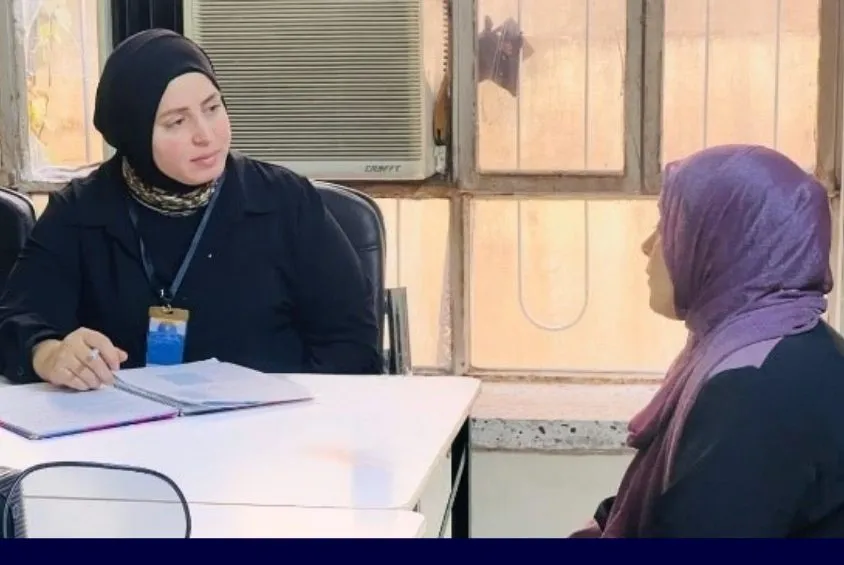
Strengthening Resilience among women returnees
Targeted psychosocial and life skills support is helping a young woman repatriated from Iraq strengthen her understanding of rights, build trust, and plan for a more stable future for herself and her family.
Read story → -
Story
Sahib Bisnis: A Pathway to Livelihood Stability
In early 2026, NPID supported the reintegration of a former detainee in Tamanjeka, Indonesia, through the Sahib Bisnis programme, combining vocational training, business capital, and ongoing mentoring to help him build a sustainable livelihood, strengthen community ties, and turn economic vulnerability into a pathway towards stability and self-reliance.
Read story → -
Story
Supporting returnee children in Kyrgyzstan
In Nookat District, Osh Region, a quiet but powerful transformation took shape, implemented by SOS Children’s Villages Kyrgyzstan with support from GCERF, as part of efforts to strengthen family stability and prevent violent extremism in vulnerable communities across Kyrgyzstan.
Read story → -
Story
From Doubt to Digital Success: Empowering Youth Against…
Satria, an out-of-school youth from Mamasapano, Maguindanao del Sur, joined the Elevate AIDA training hoping to gain new skills and explore online work opportunities. What she did not expect was how profoundly it would change her mindset, confidence, and future prospects – all of which contribute to reducing vulnerability to violent extremism.
Read story → -
Story
New Beginnings After Conflict: A Returnee Mother Rebuilds…
In November 2024, a 47-year-old Kyrgyz woman was repatriated from Syria after spending seven harrowing years in a conflict zone, including time in detention. She returned to Kyrgyzstan with her five biological sons (aged 20, 12, 10, 9, and 8) and her 16-year-old niece, seeking a fresh start after enduring profound personal loss and trauma.
Read story → -
Story
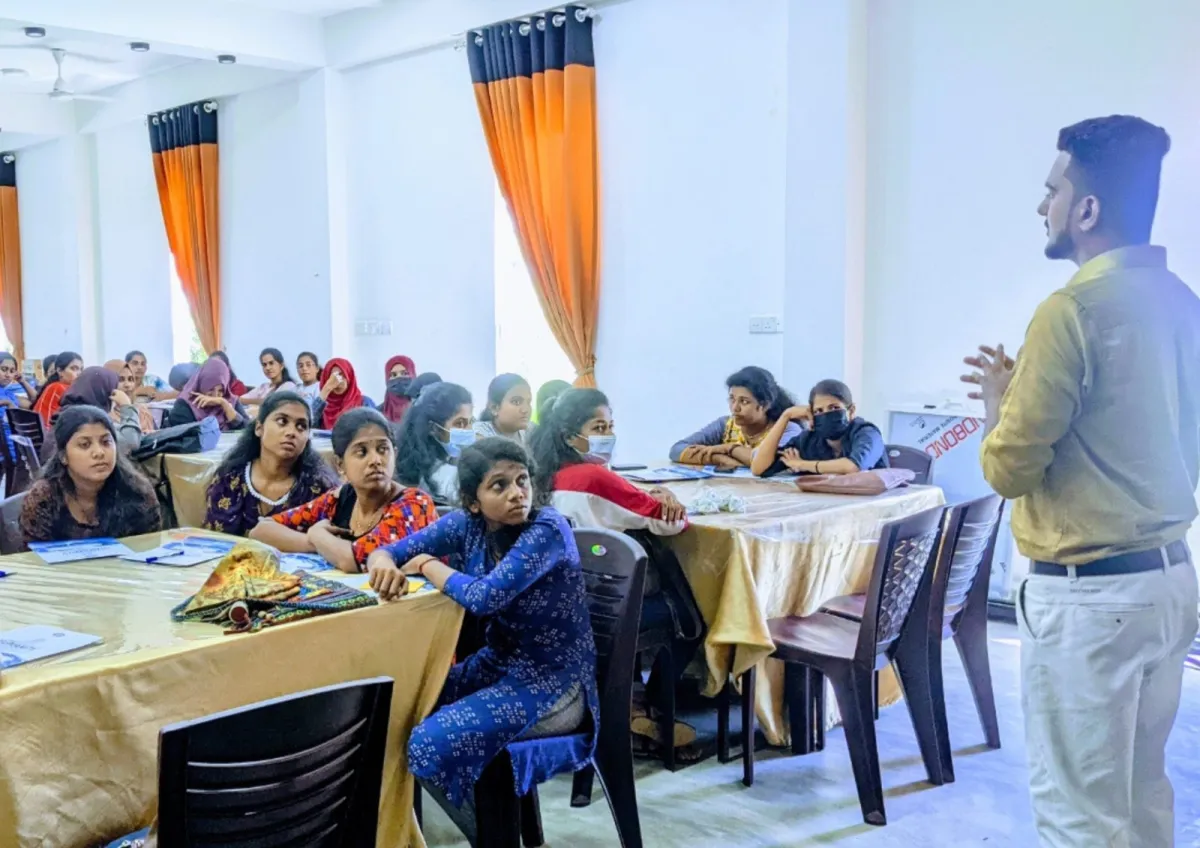
Voices of Hope: Majina’s Role in Healing Divides (Sri Lanka)
Majina, a 31-year-old woman from a small village in Ampara District, grew up in a predominantly Muslim community with limited exposure to people from other ethnic or religious backgrounds. Her conservative family often spoke about the wrongs committed by Sinhala Buddhists, especially during incidents of communal violence such as the 2018 Digana violence. This led to a deep mistrust of other communities, particularly Sinhala Buddhists. “I didn’t know how to interact with others from outside my community. It wasn’t because I didn’t want to, it’s just that, because of everything I was told, I no longer had the confidence,” Majina recalled.
Read story → -
Story
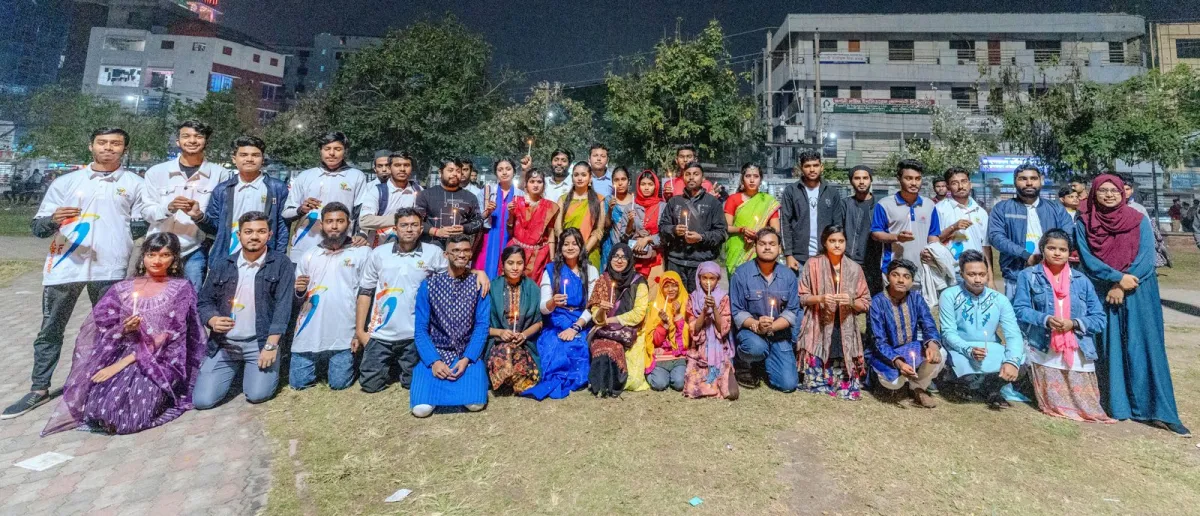
Sustainable Programmes in Bangladesh
Bangladesh became the first country to transition away from GCERF grant funding in 2024, in agreement with the Government of Bangladesh. GCERF supported the government’s whole-of-society approach to preventing violent extremism for nine years, contributing to Bangladesh’s exit from the top 30 countries in the Global Terrorism Index.
Read story → -
Story
Bangladesh Sustainability Summit 2024
In 2024, Bangladesh became the first country to transition away from GCERF grant funding. At a high-level Sustainability Summit in Dhaka, Bangladesh, representatives of the Global Community Engagement Fund (GCERF), the Ministry of Foreign Affairs, and grantee organisations Young Power in Social Action (YPSA) and Rupantar jointly marked the transition of funded programmes to a self-sustaining model going forwards, for activities to prevent violent extremism.
Read story → -
Story
Meet Nurjamal
“Every child is unique, with their own dreams and needs. Reintegrating them into society is a social priority and a preventive measure against violent extremism. We must work with the community to create sustainable solutions to support these children and break the cycle of stigma” says Nurjamal when asked about her vision and the impact of her work.
Read story → -
Story
Lifting Basic Education and Expectations of Good Governance…
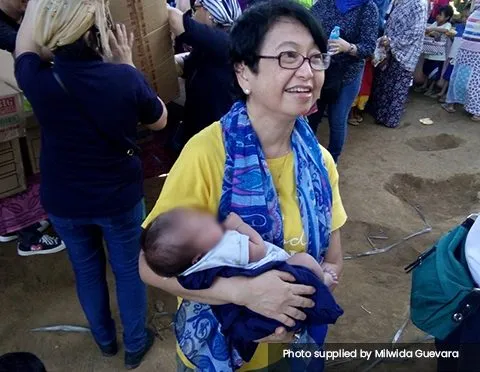
To follow Milwida Guevara’s career, through primary school teaching, federal politics in the Philippines and as an economist for the UN, is to inch ever closer the people she set off to help.
Read story → -
Story
Empowering the next generation in the Philippines to lead a…
In Lanao del Sur, GCERF supports a series of initiatives promoting active citizenry and personal leadership, enhancing the understanding of Bangsamoro identity and addressing historical grievances and discrimination which have been drivers of radicalisation.
Read story → -
Story
Recognising Radicalisation in Bangladesh
Even during the pandemic, Arizul,* 18, and his friends Khairul,* Sohel* and Razu* regularly attended the local mosque in Khulna City Corporation, Bangladesh, to pray.
Read story → -
Story
Philippines
Khuzaimah Mangatem, 28, from the Philippines’ south, has made a life of putting people on the map. She knows from experience how it feels to be unrepresented. As a young girl, war forced her family out of their home in Lanao and into the insecure existence of internally displaced people.
Read story → -
Story
Bangladesh
Artist Sahan Islam,* 25, never imagined that he would be celebrated among his peers at Dhaka University. The Masters of Fine Arts student in the department of drawing, had never felt completely at home in his own skin. The art camp, funded by GCERF, was an opportunity to change that. His acrylic painting of a sombre figure against a backdrop of peacock feathers won first place in an art prize open to 180 participants, across seven different institutes in Bangladesh.
Read story →
Explore more
-
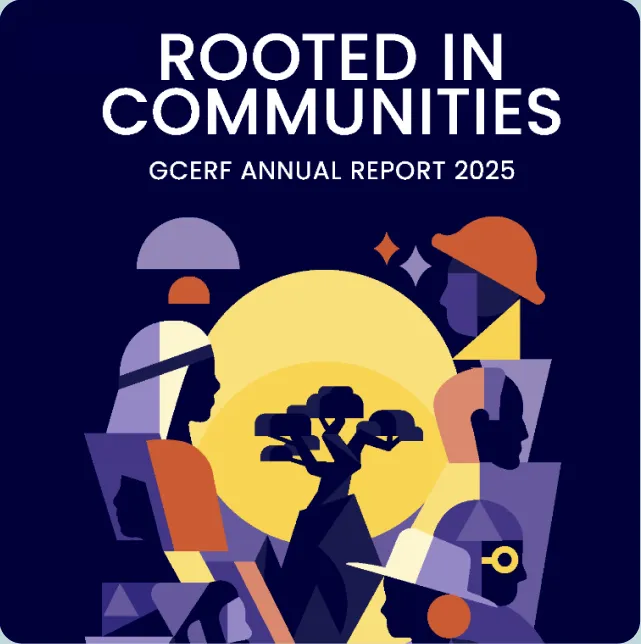
Annual report
Rooted in communities
Our most recent annual report documents GCERF’s results, investments, and impact across all countries and programmes in 2025.
Read report → -
Podcast
Learning, Earning and Belonging: Pathways to Reintegration
In this episode of Turning Points, host Basile Ema Ebede, GCERF’s Regional Manager for South-East Asia, is joined by Aisah Ponce Macabuat, Project Manager at ECOWEB Philippines, to explore how education, vocational training and livelihood development can support rehabilitation and reintegration.
Listen to episode → -
Report
Mental Health and Psychosocial Support in Rehabilitation and…
Recommendations on integrating MHPSS into R&R programmes, drawing on country-level experiences and practical lessons.
Read report → -
Podcast
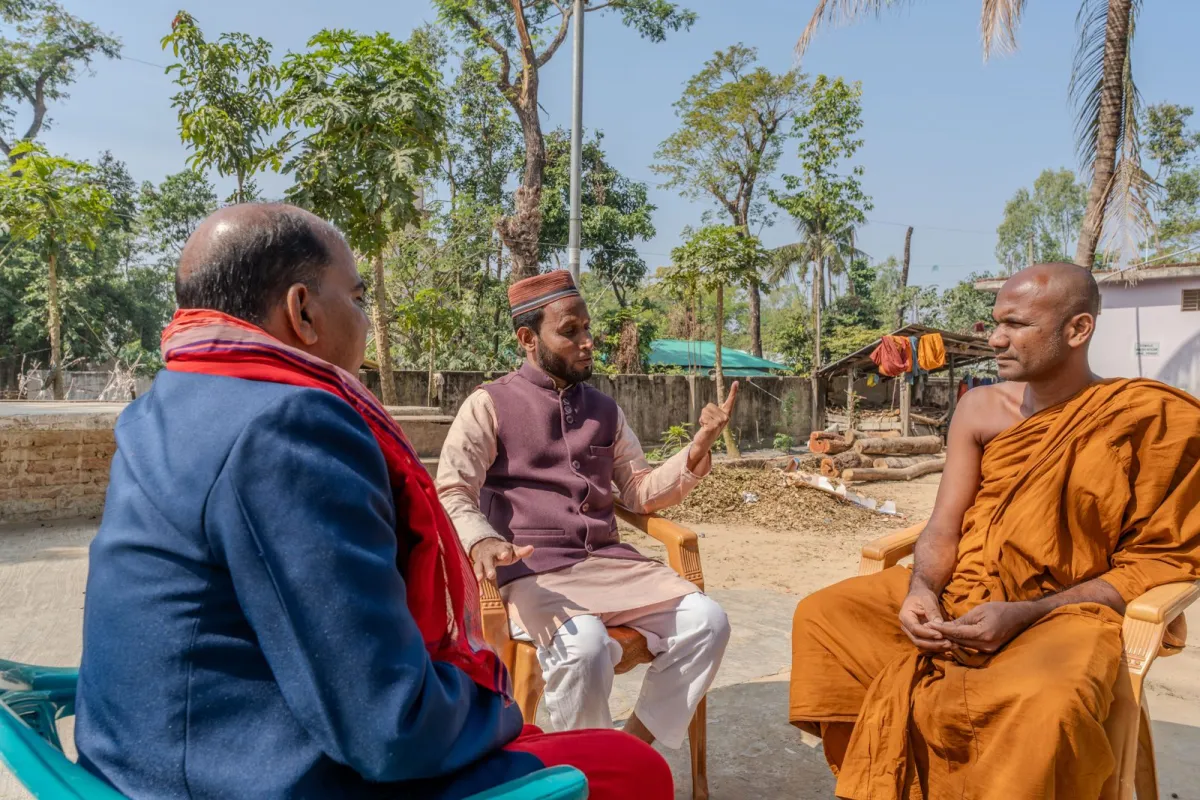
The Role of Faith Leaders and Youth in Deradicalisation and…
Faith leaders can be among the most trusted people in a community. But what happens when that trust is brought into the work of rehabilitation and reintegration? In this episode of Turning Points, host Samhita Ayaluri explores how faith leaders and youth actors can contribute to preventing violent extremism, and building stronger, more resilient communities.
Listen to episode → -
Story
From Football Fields to Safe Spaces: Building Youth…
In Garbatulla Sub-County, Isiolo, at-risk youth once had nowhere to turn – No structured support to protect them from the pull of violent extremism. That began to change when RPPL’s GCERF-supported SIRR programme found a powerful ally in Abduba, a respected youth leader and chairperson of the local football federation.
Read story →