Khuzaimah Mangatem, 28, from the Philippines’ south, has made a life of putting people on the map.
She knows from experience how it feels to be unrepresented. As a young girl, war forced her family out of their home in Lanao and into the insecure existence of internally displaced people.
So when the five month-long siege of Marawi in 2017 turned the commercial centre of her province into a battle ground for violent extremists and national armed forces, she used the “unprocessed trauma” of her childhood to do something about it.
Khuzaimah founded Thuma Ko Kapagingud Service to coordinate aid efforts during the height of the Marawi crisis. NGOs flooded the scene but couldn’t reach remote areas where people were fleeing to.
A teenager at the time, she and a friend travelled through high-risk areas to photograph the situation of people who had escaped the violence but were at risk of being forgotten in the recovery efforts.
“We mapped out areas that were not included on the databases of the government – meaning areas that aren’t included as the priority of the government for relief distribution,” Khuzaimah said.
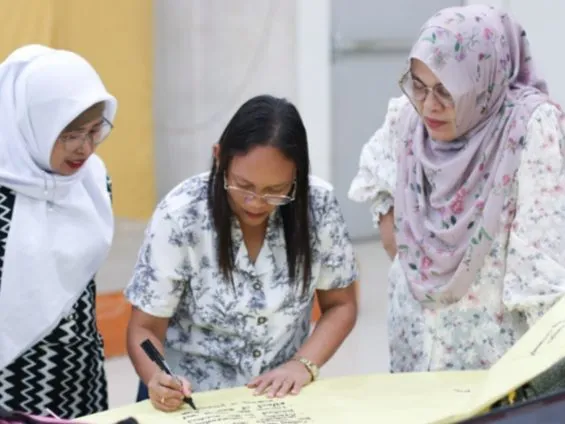
Now, she lives among 140 families in transitional housing for internally displaced people in Lanao del Norte and works to have their concerns heard by government. She organises events that bring government officials to the community and enables them to talk directly.
The focus of her work is on socially excluded youth. These are young people who have never had formal education and have not previously benefited from community projects.
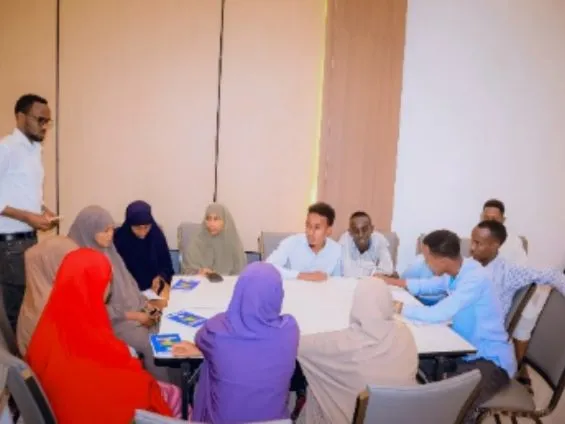
Her organisation partners with governments and private institutions and acts as the local mobiliser for trainings on leadership, personal discovery and project proposal workshops.
“Youth are responsible for identifying the problems in their own communities and identifying the solutions that best fit,” she said. “A lot of government units in our province do not have data on how many socially excluded youth are in their communities because according to them, there’s no use in getting that data because no interventions are coming that are intended to help them.”