- 68% of the BDCs (Barangay Development Councils) engaged by CBCS were assessed as functional at the end of the project and 96% had representation from relevant civil society groups (youth/women/religious groups).
- Out of all indicators' targets, only 7% were underachieved.
- 08 civil society policy proposals on transitional justice and P/CVE were validated and integrated by the municipalities/BARMM and national government agencies.
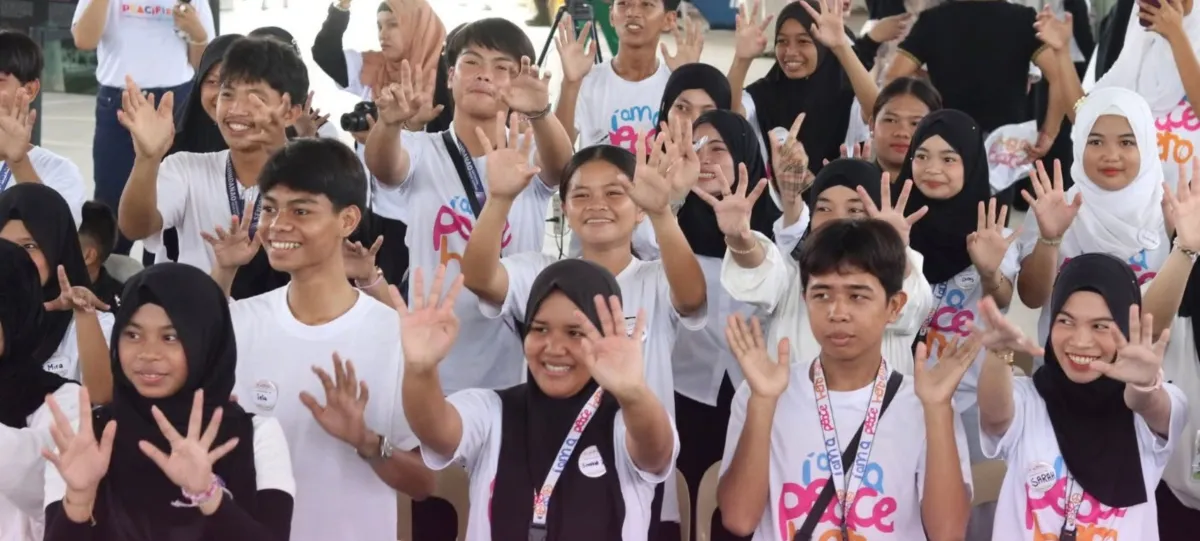
Funding rounds
Stories of change
Podcast
Learning, Earning and Belonging: Pathways to Reintegration
In this episode of Turning Points, host Basile Ema Ebede, GCERF’s Regional Manager for South-East Asia, is joined by Aisah Ponce Macabuat, Project Manager at ECOWEB Philippines, to explore how education, vocational training and livelihood development can support rehabilitation and reintegration.
Listen to episode →-
Story
Bridging Narratives: A Story of Cultural Understanding
Through the Teach Peace Build Peace Movement (TPBPM), the Bangsamoro Gallery Exhibit is creating space for dialogue and cultural exchange between Bangsamoro youth and university students in the Philippines.
Read story → -
Story
From Doubt to Digital Success: Empowering Youth Against…
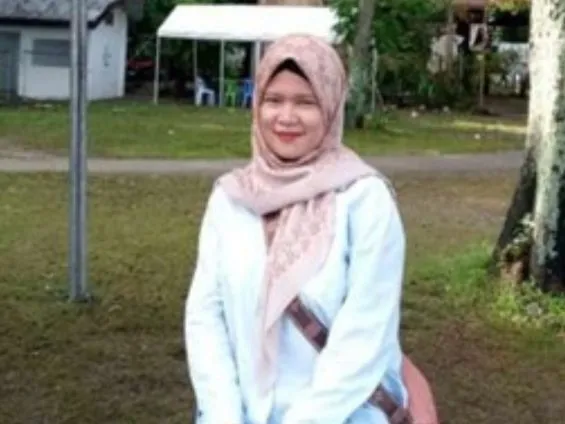
Satria, an out-of-school youth from Mamasapano, Maguindanao del Sur, joined the Elevate AIDA training hoping to gain new skills and explore online work opportunities. What she did not expect was how profoundly it would change her mindset, confidence, and future prospects – all of which contribute to reducing vulnerability to violent extremism.
Read story →
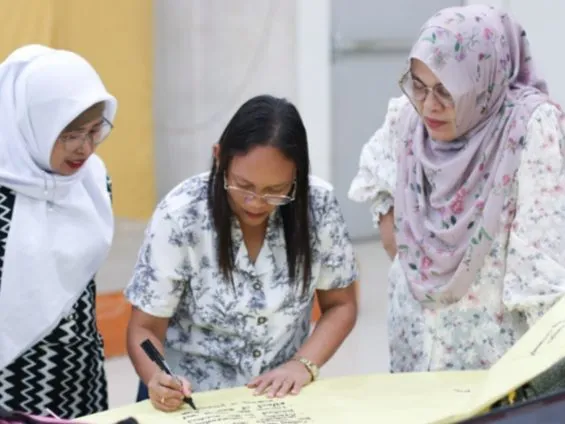
Lessons and insights
What have we learned
-

Lesson 1
Mainstreaming peace education is a good practice, particularly in training for teachers
Mainstreaming peace education across various sectors strengthens a whole-of-society approach to P/CVE. This strategy has proven particularly effective with teachers. Surveys show that after receiving training, teachers not only became more accepting of P/CVE concepts but also grew more confident in their ability to teach these topics and were more willing to integrate them into their lessons.
-

Lesson 2
Approaches of increasing awareness about extremist violence should account local contexts and lived experiences
The endline studies showed that awareness raising efforts can be more successful when they are accompanied by other activities, such as livelihoods improvement. Also, when conducted in spaces that promote listening and community sharing and where participants can unpack concepts and exchange experiences. In some cases, participants in such discussions and learning forums were better able to identify conflict drivers and identify intersections between causes and factors.
-

Lesson 3
Bridging gaps between duty bearers and communities through the facilitation of dialogue spaces increases social accountability and access to information
The endline studies demonstrated the success of inclusive democratic spaces, such as community media platforms and town hall meetings, in providing avenues for local communities to communicate their grievances to duty bearers.
-

Lesson 4
Strengthening community organisations is a pathway to improved inclusion and representation in local governance
Providing capacity-building opportunities for civil society groups – in strategic planning; advocacy; knowledge about local committee functions and responsibilities; and project development – improves sectoral and community-driven representation in local councils. The endline and IPA evaluations showed that grants incorporating ' accompaniment' support – direct assistance for CBOs to formally register and apply for government opportunities, including strengthening of skills and knowledge – successfully mobilised organisations to advocate with local councils for needs and resources.