Even during the pandemic, Arizul,* 18, and his friends Khairul,* Sohel* and Razu* regularly attended the local mosque in Khulna City Corporation, Bangladesh, to pray.
The devout young man felt inspired there and was growing closer to his friends.
Arizul, a college student, was becoming more and more convinced of his friends’ perspective that the government was favouring “non-believers” over Muslims. By the time Arizul learned that they belonged to the home-grown violent extremist group banned by the government, Allah’r Dal, he was convinced that jihad was the only way to end the perceived degradation of Muslims.
“We believed that this pandemic had been a gift from Allah for the destruction of kaffirs [non-believers]. This pandemic will not touch any mumin [believer],” he said.
Arizul stayed in touch with his friends via a protected text platform and began withdrawing from his other friends.
“I was growing an ‘us versus them’ mentality. My inner beliefs were changing gradually in favour of their logic and the company of my other friends and family did not give me much comfort,” he said.
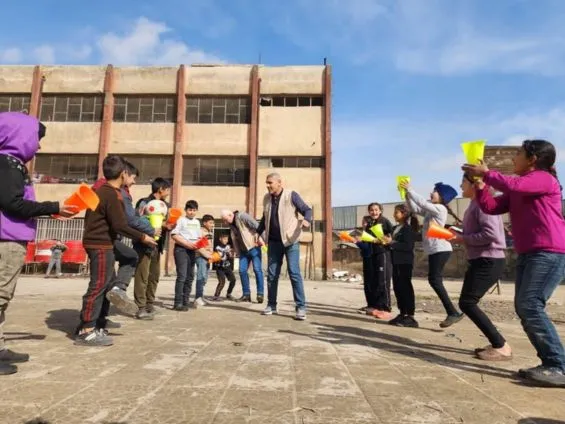
It was these changes that caught the attention of his classmate, Sirajul*. Sirajul belonged to a GCERF-funded peace club organised by the NGO, Rupantar. From his experiences learning about propaganda and the emergence of violent incidents through the club, he knew that his childhood friend’s irregular behavior could be a sign of radicalisation. The peace clubs host cultural, sporting and inter-faith activities aimed at bringing diverse groups together and improving social cohesion.