
Rebuilding a Future: A Child’s New Beginning in Aden
Rebuilding a Future: A Child’s New Beginning in Aden
Rebuilding Children's Future in Yemen
Location
Aden, Yemen
Focus
Reintegration
IMplemented by
Deem For Development
In early 2026, a GCERF-supported child protection intervention through ‘Deem For Development’ in Aden Governorate, Yemen, helped a vulnerable adolescent move from detention toward reintegration—providing psychosocial support, family assistance, and vocational guidance to rebuild trust, resilience, and hope for the future.
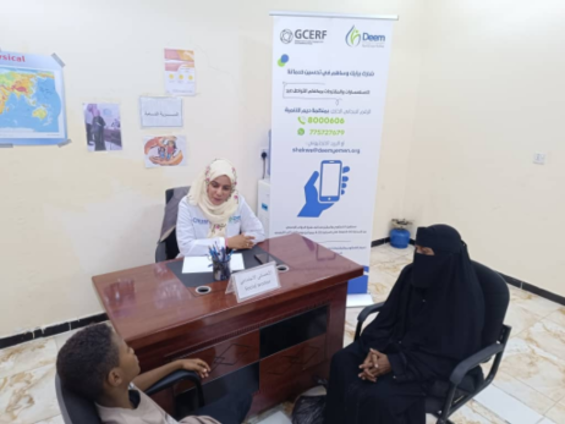
In early 2026, a 16‑year‑old boy from Aden Governorate was identified through a GCERF‑funded child protection referral mechanism after his arrest for a theft‑related incident.
Initial detention placed him at increased risk of isolation, negative peer influence, and prolonged disengagement from family and community—factors known to heighten vulnerability to harmful pathways, including violent extremism.
Following a referral from juvenile justice actors, Deem for Development Organisation, through its case management system, worked to prevent prolonged detention and address the underlying risks.
The intervention combined psychosocial support for the child, family mediation to reduce economic and supervision-related stress, and engagement with community leaders to minimise stigma. The child was also referred to a short vocational orientation in basic electrical repair, providing a constructive alternative to harmful coping mechanisms and reinforcing positive identity.
By mid‑2026, the child was released through juvenile court procedures and returned home under supervision. He gradually re‑engaged in structured learning and began assisting a local technician, earning a small income while rebuilding trust within his community.
Reflecting on the change, he shared:
I thought everything was finished for me, but step by step I started again. Now I want to learn a skill and stay away from trouble.”
— 16 year-old boy from Aden
A case social worker involved in the process noted:
The child did not need punishment alone. He needed guidance, structure, and a family that understands how to protect him again.”
— Case social worker
This case shows how community‑based child protection interventions can reduce vulnerability to social exclusion and harmful influences by addressing root causes such as family stress and lack of opportunity. By prioritising reintegration over punishment, the programme contributed to prevention outcomes linked to PVE, supporting resilience, social cohesion, and safer pathways for at‑risk youth.