Knowledge Hub
GCERF is uniquely positioned to translate community-level learning into knowledge that shapes the global response to violent extremism and terrorism. Our knowledge products draw evidence directly from programmes implemented by civil society organisations in the most remote and fragile contexts, offering insights grounded in reality.
Latest content
-
Podcast
Learning, Earning and Belonging: Pathways to Reintegration
In this episode of Turning Points, host Basile Ema Ebede, GCERF’s Regional Manager for South-East Asia, is joined by Aisah Ponce Macabuat, Project Manager at ECOWEB Philippines, to explore how education, vocational training and livelihood development can support rehabilitation and reintegration.
Listen to episode → -
Report
Mental Health and Psychosocial Support in Rehabilitation and…
Recommendations on integrating MHPSS into R&R programmes, drawing on country-level experiences and practical lessons.
Read report → -
Podcast
The Role of Faith Leaders and Youth in Deradicalisation and…
Faith leaders can be among the most trusted people in a community. But what happens when that trust is brought into the work of rehabilitation and reintegration? In this episode of Turning Points, host Samhita Ayaluri explores how faith leaders and youth actors can contribute to preventing violent extremism, and building stronger, more resilient communities.
Listen to episode → -
Story
From Football Fields to Safe Spaces: Building Youth…
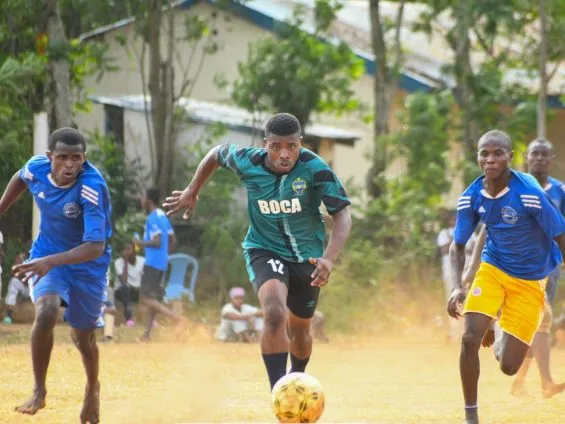
In Garbatulla Sub-County, Isiolo, at-risk youth once had nowhere to turn – No structured support to protect them from the pull of violent extremism. That began to change when RPPL’s GCERF-supported SIRR programme found a powerful ally in Abduba, a respected youth leader and chairperson of the local football federation.
Read story → -
Story
Breaking the Cycle of Violent Extremism: Daina’s Story of…
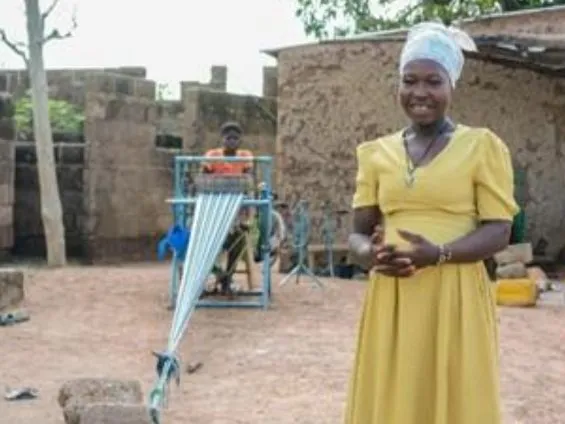
In 2024, STAR Ghana Foundation taught Daina weaving along with market skills, digital literacy, and ways to prevent violent extremism, while a village savings group helped her manage her money.
Read story → -
Article
Recalibrating Security-Community Relations: for the…
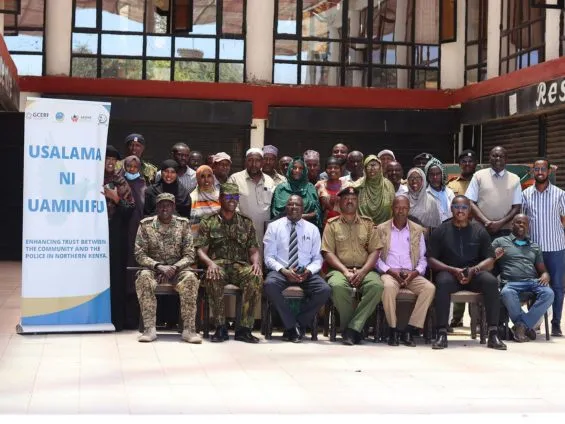
Mohamedamin Issack, Samhita Ayaluri
Read story → -
Podcast
The Legal Path Home: International Law and The Challenges of…
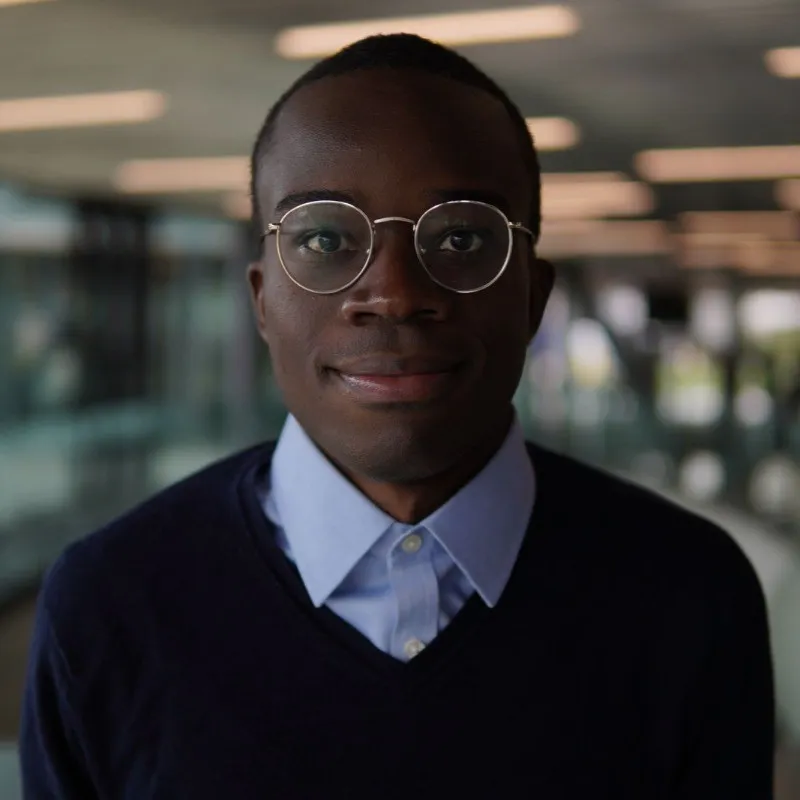
Before rehabilitation and reintegration can begin, there is a fundamental question: who has the right to return? In this episode of Turning Points, host Basile Ema Ebede, GCERF’s Regional Manager, is joined by Aoife Devlin, a law and politics graduate from University College Dublin. Together they examine the legal challenges surrounding the repatriation of ‘foreign terrorist fighters’ and their families from Northeast Syria — exploring the role of international law, citizenship, and state responsibility.
Listen to episode → -
Press release
In Loving Memory: Claude-Emmanuel Hiol
It is with profound sadness that GCERF announces the passing of Claude-Emmanuel Hiol, who joined GCERF in 2025 and passed away in an accident. Claude-Emmanuel was working as an intern within the Sahel portfolio, supporting grant management activities in Mali. He was a valued member of the GCERF family, and his loss is felt deeply by all who knew him.
Read story → -
Story
Rebuilding a Future: A Child’s New Beginning in Aden
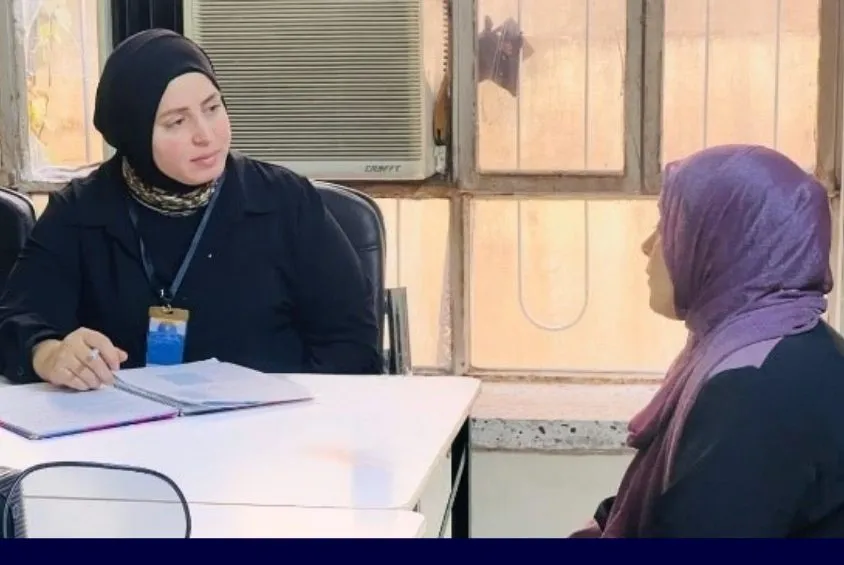
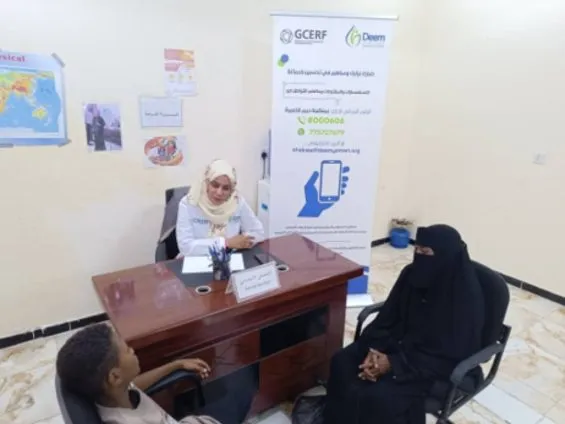
In early 2026, a GCERF-supported child protection intervention through ‘Deem For Development’ in Aden Governorate, Yemen, helped a vulnerable adolescent move from detention toward reintegration—providing psychosocial support, family assistance, and vocational guidance to rebuild trust, resilience, and hope for the future.
Read story →
Our work
10 results
-
Uzbekistan Daily
-
Story
From Doubt to Digital Success: Empowering Youth Against…
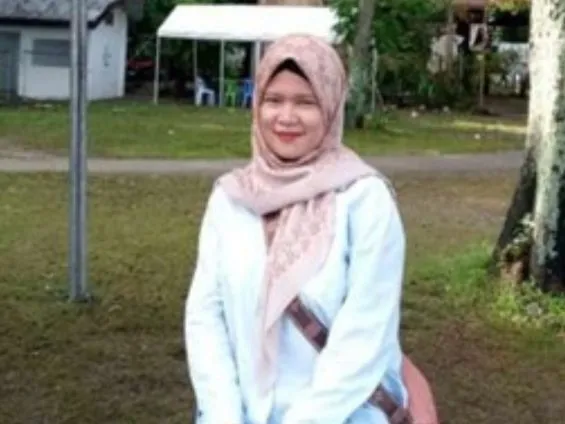
Satria, an out-of-school youth from Mamasapano, Maguindanao del Sur, joined the Elevate AIDA training hoping to gain new skills and explore online work opportunities. What she did not expect was how profoundly it would change her mindset, confidence, and future prospects – all of which contribute to reducing vulnerability to violent extremism.
Read story → -
BusinessMirror
-
Philippines News Agency
-
Story
New Beginnings After Conflict: A Returnee Mother Rebuilds…
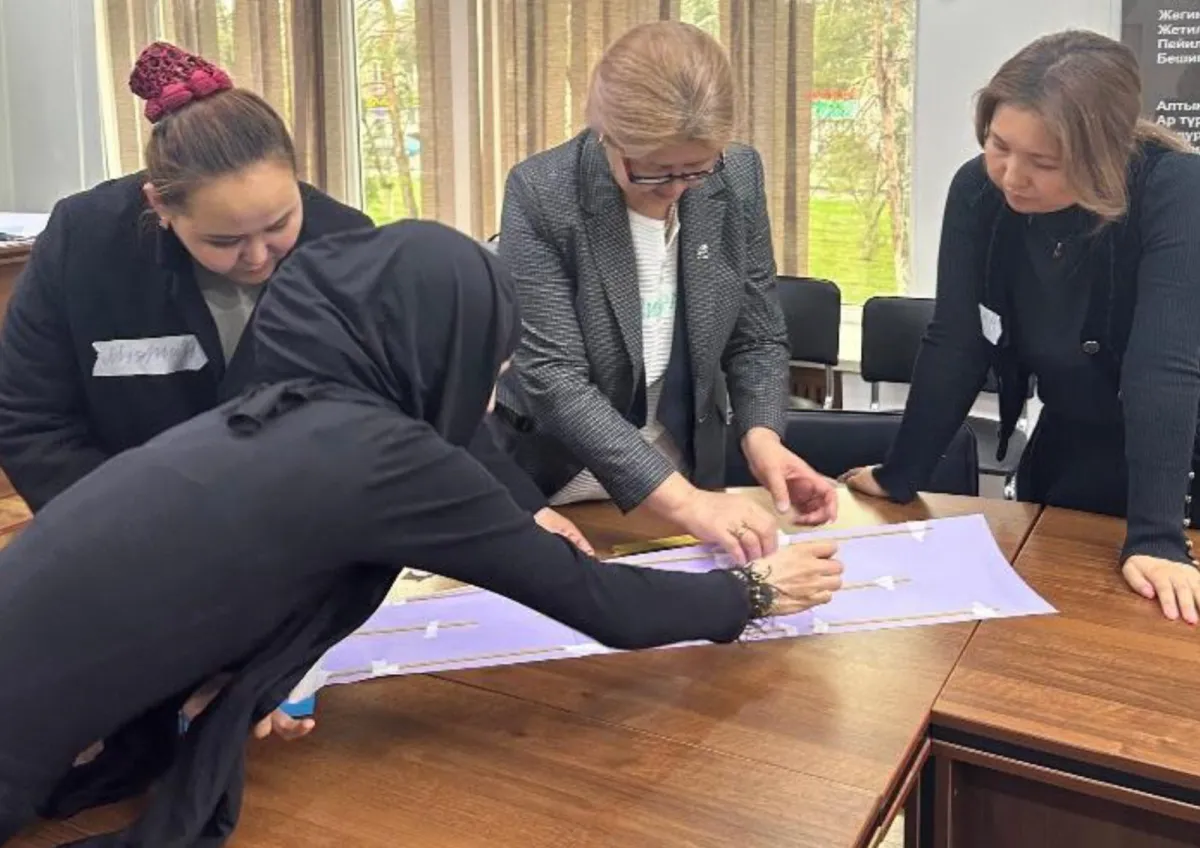
In November 2024, a 47-year-old Kyrgyz woman was repatriated from Syria after spending seven harrowing years in a conflict zone, including time in detention. She returned to Kyrgyzstan with her five biological sons (aged 20, 12, 10, 9, and 8) and her 16-year-old niece, seeking a fresh start after enduring profound personal loss and trauma.
Read story → -
Story
Voices of Hope: Majina’s Role in Healing Divides (Sri Lanka)
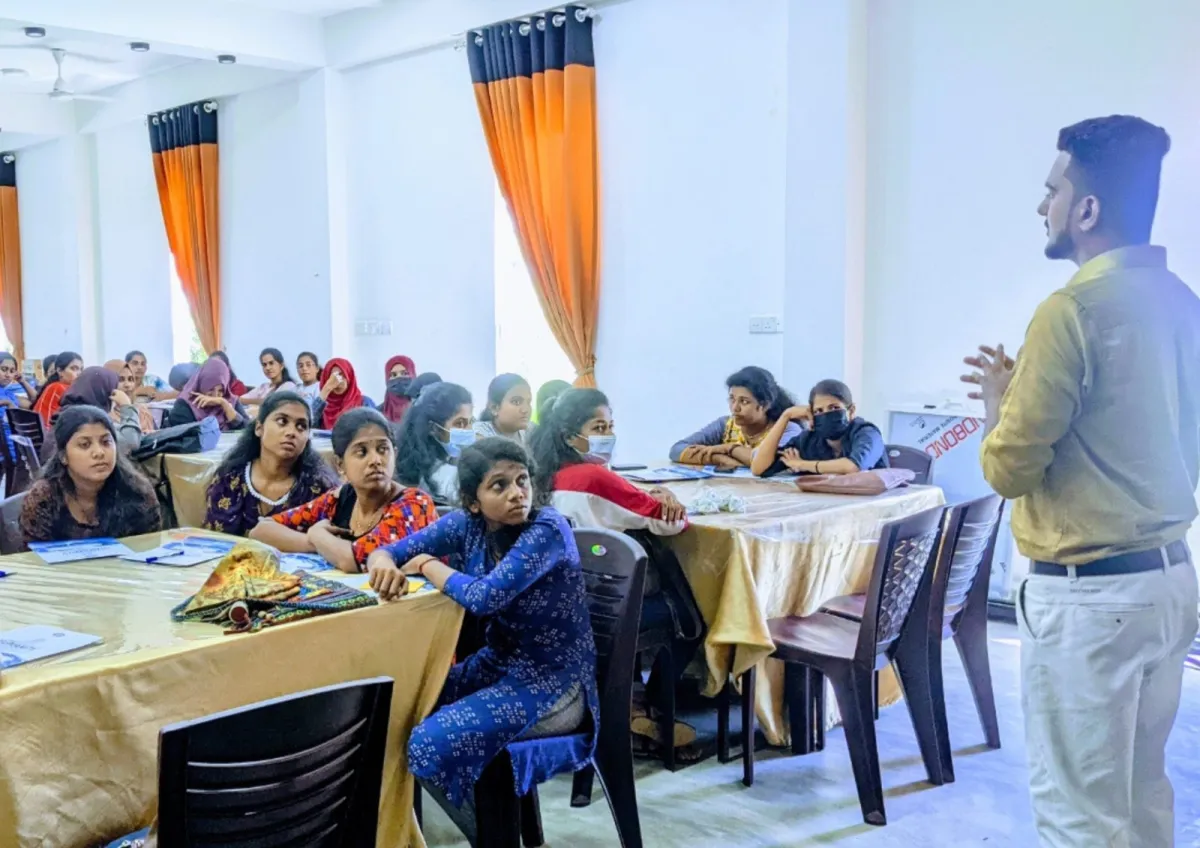
Majina, a 31-year-old woman from a small village in Ampara District, grew up in a predominantly Muslim community with limited exposure to people from other ethnic or religious backgrounds. Her conservative family often spoke about the wrongs committed by Sinhala Buddhists, especially during incidents of communal violence such as the 2018 Digana violence. This led to a deep mistrust of other communities, particularly Sinhala Buddhists. “I didn’t know how to interact with others from outside my community. It wasn’t because I didn’t want to, it’s just that, because of everything I was told, I no longer had the confidence,” Majina recalled.
Read story →
Explore more
-
Annual report
Rooted in communities
Our most recent annual report documents GCERF’s results, investments, and impact across all countries and programmes in 2025.
Read report → -
Podcast
Learning, Earning and Belonging: Pathways to Reintegration
In this episode of Turning Points, host Basile Ema Ebede, GCERF’s Regional Manager for South-East Asia, is joined by Aisah Ponce Macabuat, Project Manager at ECOWEB Philippines, to explore how education, vocational training and livelihood development can support rehabilitation and reintegration.
Listen to episode → -
Report
Mental Health and Psychosocial Support in Rehabilitation and…
Recommendations on integrating MHPSS into R&R programmes, drawing on country-level experiences and practical lessons.
Read report → -
Podcast
The Role of Faith Leaders and Youth in Deradicalisation and…
Faith leaders can be among the most trusted people in a community. But what happens when that trust is brought into the work of rehabilitation and reintegration? In this episode of Turning Points, host Samhita Ayaluri explores how faith leaders and youth actors can contribute to preventing violent extremism, and building stronger, more resilient communities.
Listen to episode → -
Story
From Football Fields to Safe Spaces: Building Youth…
In Garbatulla Sub-County, Isiolo, at-risk youth once had nowhere to turn – No structured support to protect them from the pull of violent extremism. That began to change when RPPL’s GCERF-supported SIRR programme found a powerful ally in Abduba, a respected youth leader and chairperson of the local football federation.
Read story →