Knowledge Hub
GCERF is uniquely positioned to translate community-level learning into knowledge that shapes the global response to violent extremism and terrorism. Our knowledge products draw evidence directly from programmes implemented by civil society organisations in the most remote and fragile contexts, offering insights grounded in reality.
Latest content
-
Podcast
Learning, Earning and Belonging: Pathways to Reintegration
In this episode of Turning Points, host Basile Ema Ebede, GCERF’s Regional Manager for South-East Asia, is joined by Aisah Ponce Macabuat, Project Manager at ECOWEB Philippines, to explore how education, vocational training and livelihood development can support rehabilitation and reintegration.
Listen to episode → -
Report
Mental Health and Psychosocial Support in Rehabilitation and…
Recommendations on integrating MHPSS into R&R programmes, drawing on country-level experiences and practical lessons.
Read report → -
Podcast
The Role of Faith Leaders and Youth in Deradicalisation and…
Faith leaders can be among the most trusted people in a community. But what happens when that trust is brought into the work of rehabilitation and reintegration? In this episode of Turning Points, host Samhita Ayaluri explores how faith leaders and youth actors can contribute to preventing violent extremism, and building stronger, more resilient communities.
Listen to episode → -
Story
From Football Fields to Safe Spaces: Building Youth…
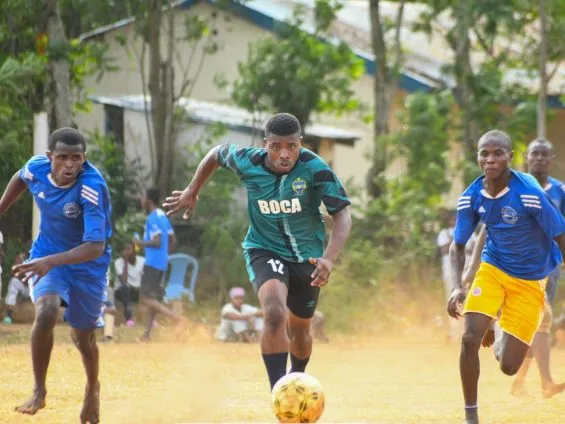
In Garbatulla Sub-County, Isiolo, at-risk youth once had nowhere to turn – No structured support to protect them from the pull of violent extremism. That began to change when RPPL’s GCERF-supported SIRR programme found a powerful ally in Abduba, a respected youth leader and chairperson of the local football federation.
Read story → -
Story
Breaking the Cycle of Violent Extremism: Daina’s Story of…
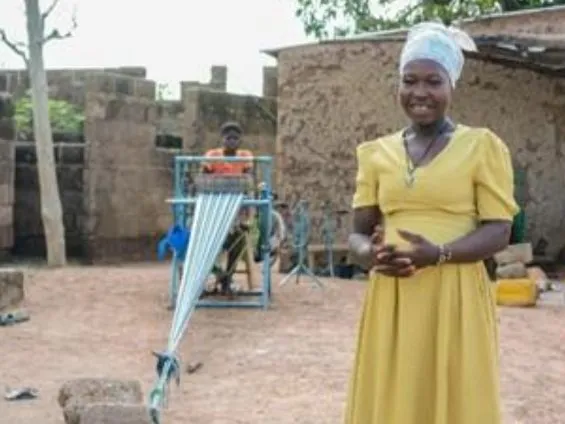
In 2024, STAR Ghana Foundation taught Daina weaving along with market skills, digital literacy, and ways to prevent violent extremism, while a village savings group helped her manage her money.
Read story → -
Article
Recalibrating Security-Community Relations: for the…
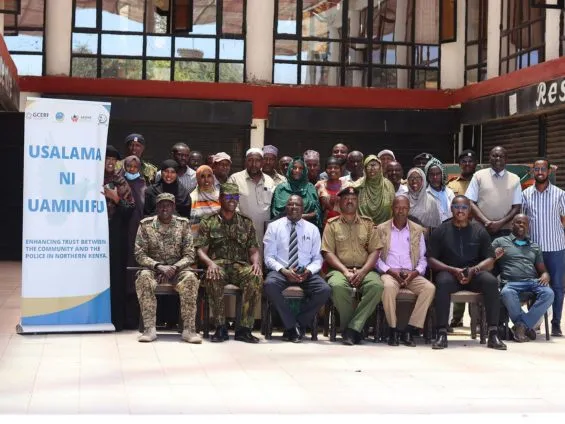
Mohamedamin Issack, Samhita Ayaluri
Read story → -
Podcast
The Legal Path Home: International Law and The Challenges of…
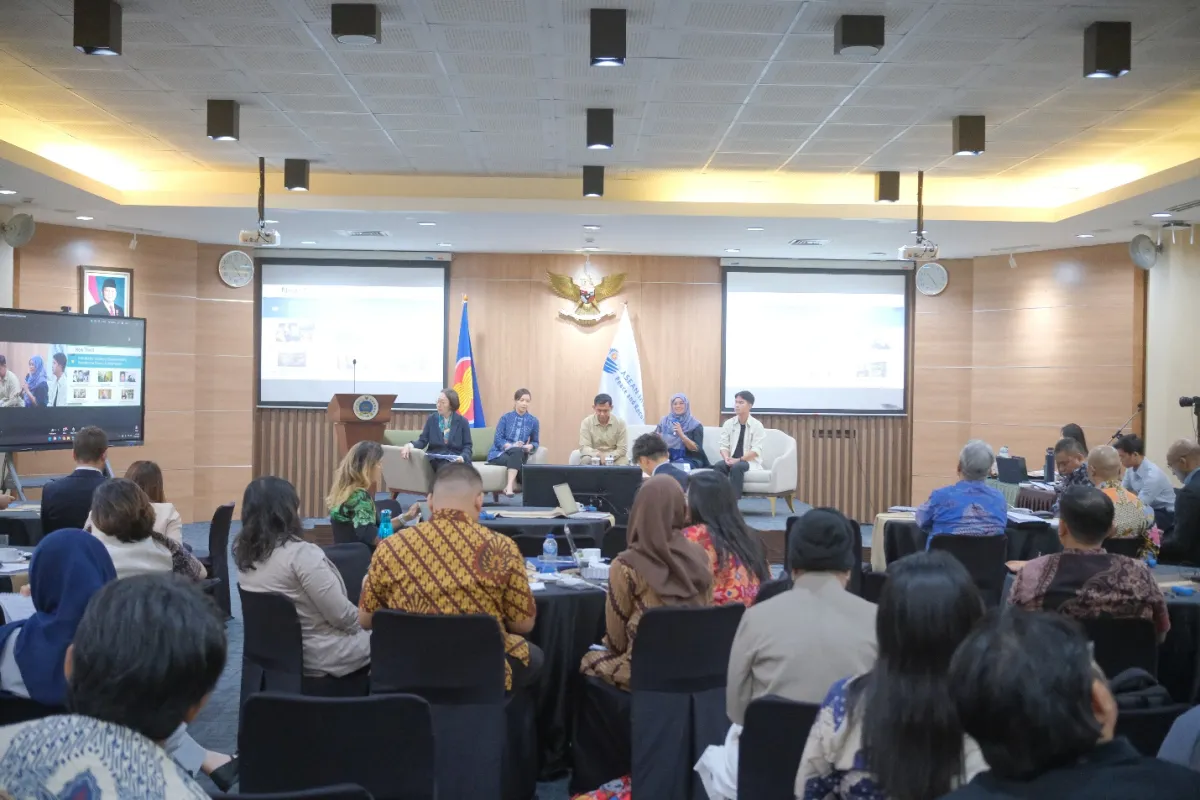
Before rehabilitation and reintegration can begin, there is a fundamental question: who has the right to return? In this episode of Turning Points, host Basile Ema Ebede, GCERF’s Regional Manager, is joined by Aoife Devlin, a law and politics graduate from University College Dublin. Together they examine the legal challenges surrounding the repatriation of ‘foreign terrorist fighters’ and their families from Northeast Syria — exploring the role of international law, citizenship, and state responsibility.
Listen to episode → -

Press release
In Loving Memory: Claude-Emmanuel Hiol
It is with profound sadness that GCERF announces the passing of Claude-Emmanuel Hiol, who joined GCERF in 2025 and passed away in an accident. Claude-Emmanuel was working as an intern within the Sahel portfolio, supporting grant management activities in Mali. He was a valued member of the GCERF family, and his loss is felt deeply by all who knew him.
Read story → -
Story
Rebuilding a Future: A Child’s New Beginning in Aden
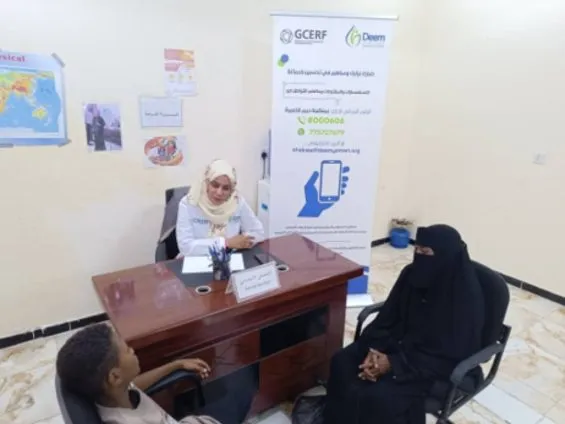
In early 2026, a GCERF-supported child protection intervention through ‘Deem For Development’ in Aden Governorate, Yemen, helped a vulnerable adolescent move from detention toward reintegration—providing psychosocial support, family assistance, and vocational guidance to rebuild trust, resilience, and hope for the future.
Read story →
Our work
40 results
-
Podcast
Learning, Earning and Belonging: Pathways to Reintegration
In this episode of Turning Points, host Basile Ema Ebede, GCERF’s Regional Manager for South-East Asia, is joined by Aisah Ponce Macabuat, Project Manager at ECOWEB Philippines, to explore how education, vocational training and livelihood development can support rehabilitation and reintegration.
Listen to episode → -
Story
Bridging Narratives: A Story of Cultural Understanding
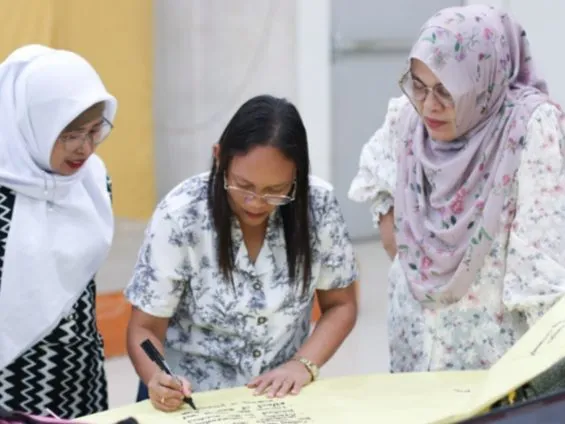
Through the Teach Peace Build Peace Movement (TPBPM), the Bangsamoro Gallery Exhibit is creating space for dialogue and cultural exchange between Bangsamoro youth and university students in the Philippines.
Read story → -
Story
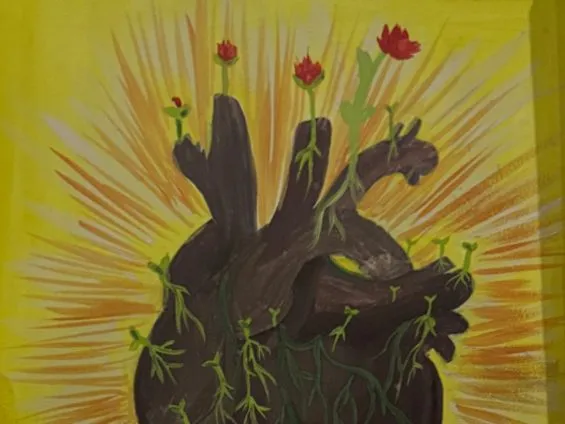
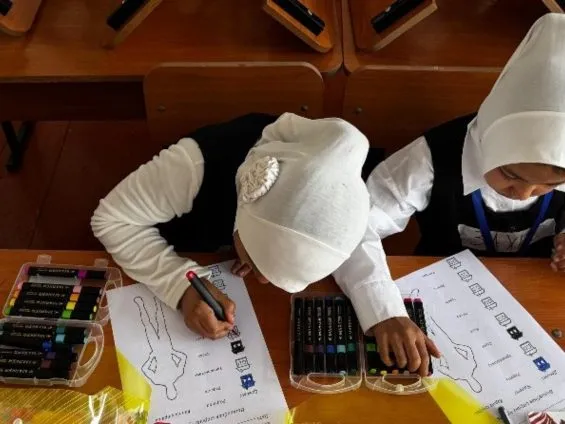
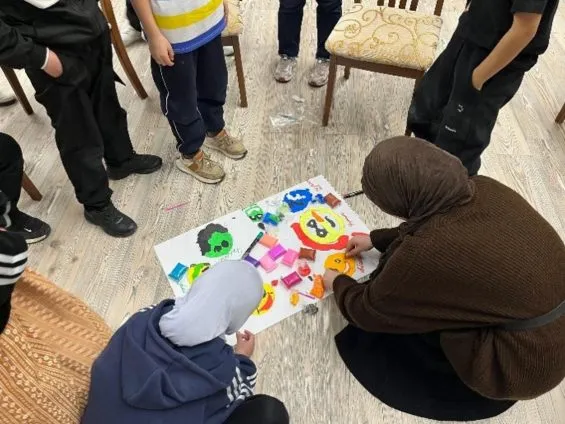
When Healing Looks Like a Drawing
Through GCERF-supported MHPSS activities implemented by SOS Children’s Village in Kyrgyzstan, returning children from Northeast Syria are provided with safe spaces to express emotions, strengthen resilience, and rebuild a sense of belonging through creative approaches such as art-based therapy.
Read story → -
Story
Supporting school reintegration In Issyk-Kul
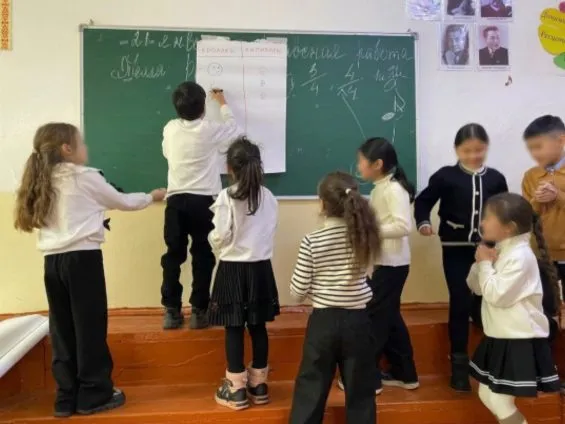
Targeted educational, language, and psychosocial assistance has enabled three returned children in the Issyk‑Kul region to enter school, overcome language barriers, and integrate into their local community.
Read story → -
Story
Strengthening Resilience among women returnees
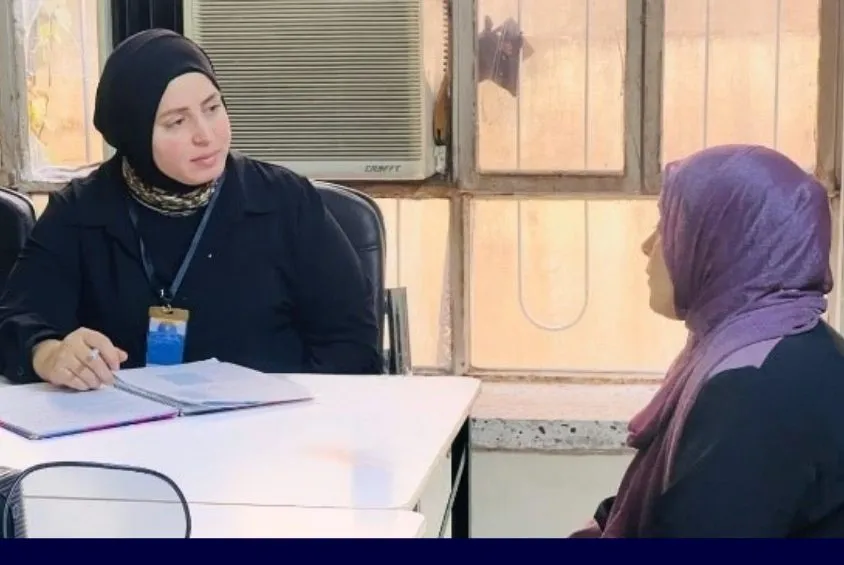
Targeted psychosocial and life skills support is helping a young woman repatriated from Iraq strengthen her understanding of rights, build trust, and plan for a more stable future for herself and her family.
Read story → -
Story
Sahib Bisnis: A Pathway to Livelihood Stability
In early 2026, NPID supported the reintegration of a former detainee in Tamanjeka, Indonesia, through the Sahib Bisnis programme, combining vocational training, business capital, and ongoing mentoring to help him build a sustainable livelihood, strengthen community ties, and turn economic vulnerability into a pathway towards stability and self-reliance.
Read story → -
Story
Supporting returnee children in Kyrgyzstan
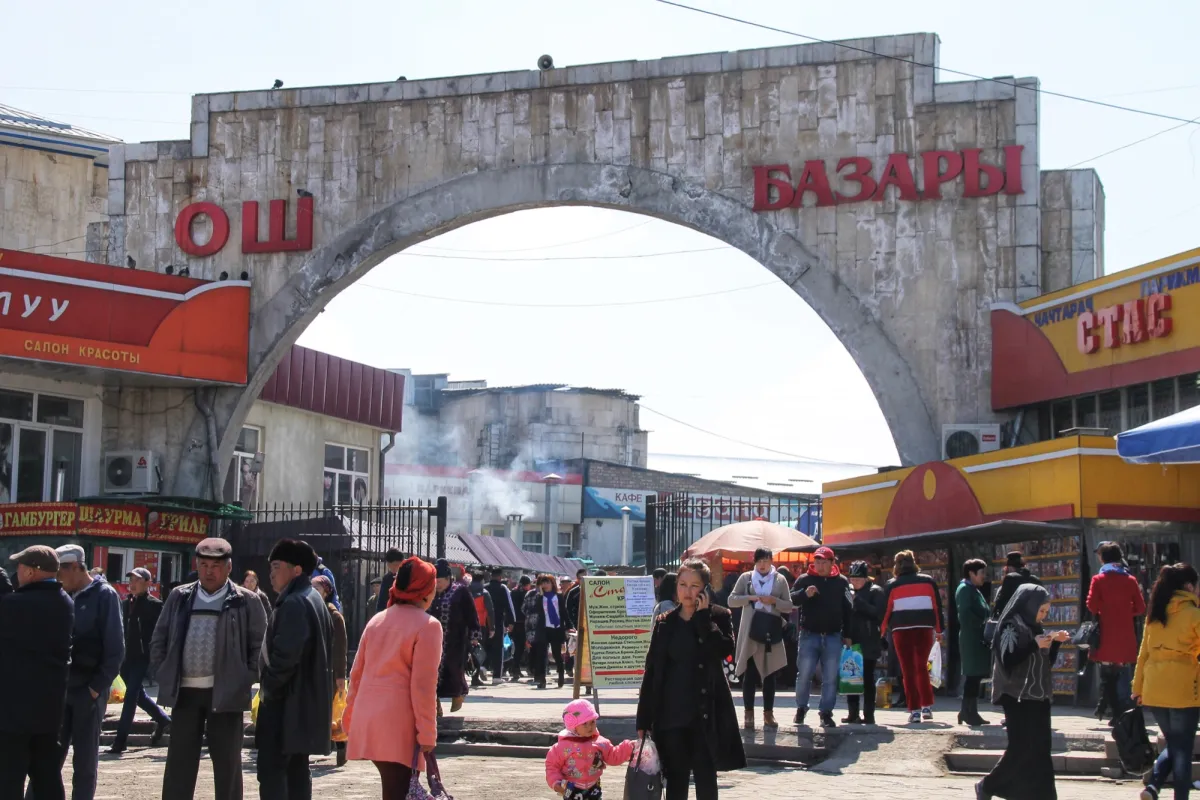
In Nookat District, Osh Region, a quiet but powerful transformation took shape, implemented by SOS Children’s Villages Kyrgyzstan with support from GCERF, as part of efforts to strengthen family stability and prevent violent extremism in vulnerable communities across Kyrgyzstan.
Read story → -
Dunyo.info
-
O'zbekiston Milliy Axborot Agentligi
-
Press release
GCERF Marks International Day for the Prevention of Violent…
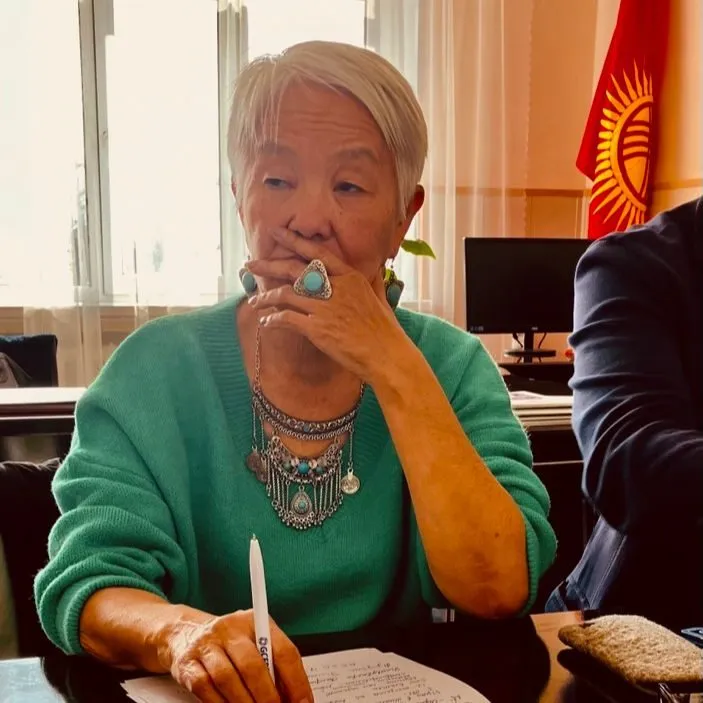
The Kyrgyz Republic and GCERF mark the International Day for the Prevention of Violent Extremism as and when Conducive to Terrorism with the official launch of GCERF’s Global Strategy 2026–2029, reaffirming a shared commitment to address the root causes of radicalisation and recruitment by violent extremist groups…
Read story → -
Press release
Международные партнеры дополняют усилия Узбекистана по…
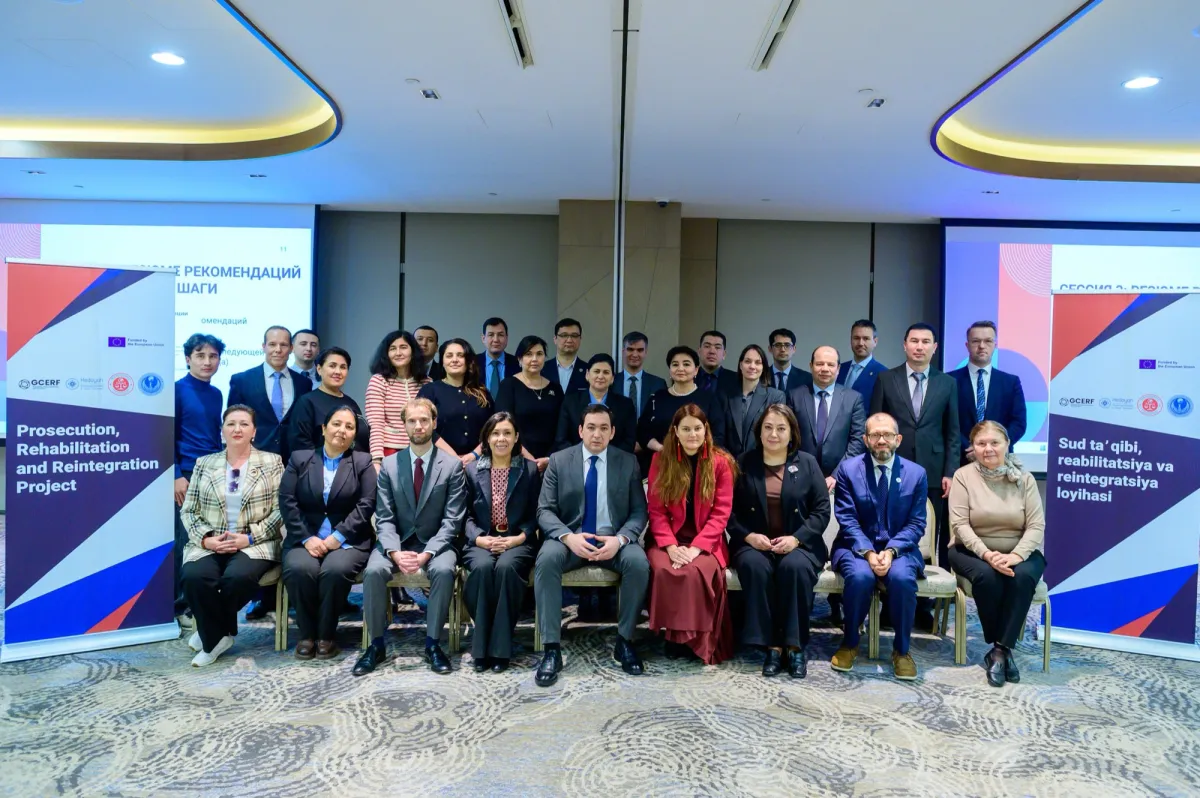
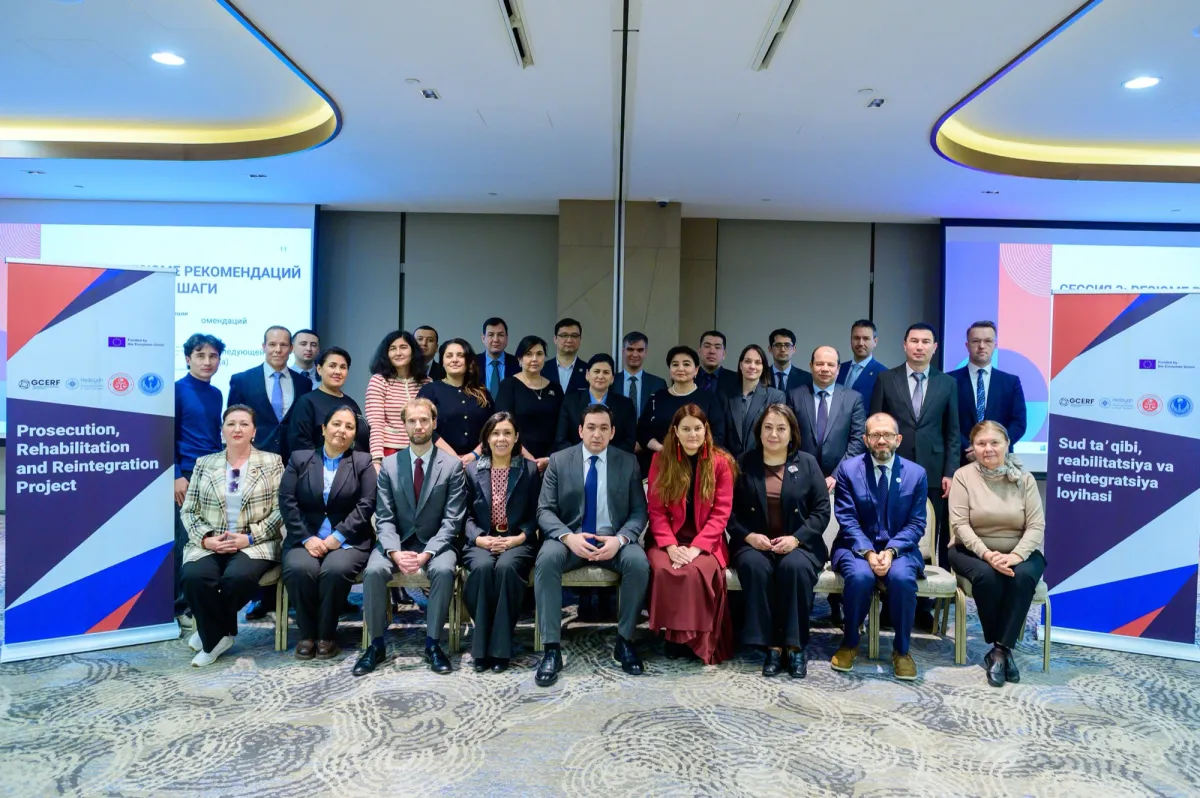
Узбекистан укрепляет свои возможности по безопасной реинтеграции лиц, возвращающихся из зон конфликта, с финансовой и стратегической поддержкой Европейского Союза через его Службу инструментов внешней политики (FPI). Трехлетняя программа «Уголовное преследование, реабилитация и реинтеграция» (PRR) ориентирована на возвращенцев из Ирака и северо-восточной Сирии…
Read story → -
Press release
International Partners Strengthen Uzbekistan’s…
Uzbekistan is strengthening its capacity to safely reintegrate individuals returning from conflict zones, with financial and strategic support from the European Union through its Foreign Policy Instrument (FPI). The three-year Prosecution, Rehabilitation, and Reintegration (PRR) program me focuses on returnees from Iraq and Northeast Syria…
Read story → -
Uzbekistan Daily
-
Story
From Doubt to Digital Success: Empowering Youth Against…
Satria, an out-of-school youth from Mamasapano, Maguindanao del Sur, joined the Elevate AIDA training hoping to gain new skills and explore online work opportunities. What she did not expect was how profoundly it would change her mindset, confidence, and future prospects – all of which contribute to reducing vulnerability to violent extremism.
Read story → -
BusinessMirror
-
Philippines News Agency
-
Story
New Beginnings After Conflict: A Returnee Mother Rebuilds…
In November 2024, a 47-year-old Kyrgyz woman was repatriated from Syria after spending seven harrowing years in a conflict zone, including time in detention. She returned to Kyrgyzstan with her five biological sons (aged 20, 12, 10, 9, and 8) and her 16-year-old niece, seeking a fresh start after enduring profound personal loss and trauma.
Read story → -
Story
Voices of Hope: Majina’s Role in Healing Divides (Sri Lanka)
Majina, a 31-year-old woman from a small village in Ampara District, grew up in a predominantly Muslim community with limited exposure to people from other ethnic or religious backgrounds. Her conservative family often spoke about the wrongs committed by Sinhala Buddhists, especially during incidents of communal violence such as the 2018 Digana violence. This led to a deep mistrust of other communities, particularly Sinhala Buddhists. “I didn’t know how to interact with others from outside my community. It wasn’t because I didn’t want to, it’s just that, because of everything I was told, I no longer had the confidence,” Majina recalled.
Read story → -
Story
Sustainable Programmes in Bangladesh
Bangladesh became the first country to transition away from GCERF grant funding in 2024, in agreement with the Government of Bangladesh. GCERF supported the government’s whole-of-society approach to preventing violent extremism for nine years, contributing to Bangladesh’s exit from the top 30 countries in the Global Terrorism Index.
Read story → -
Story
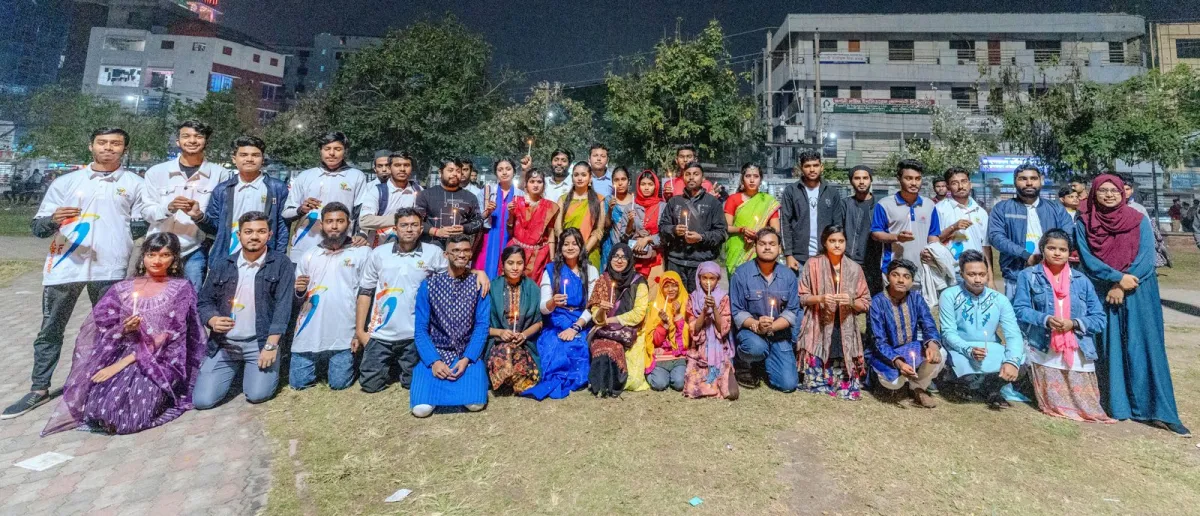
Bangladesh Sustainability Summit 2024
In 2024, Bangladesh became the first country to transition away from GCERF grant funding. At a high-level Sustainability Summit in Dhaka, Bangladesh, representatives of the Global Community Engagement Fund (GCERF), the Ministry of Foreign Affairs, and grantee organisations Young Power in Social Action (YPSA) and Rupantar jointly marked the transition of funded programmes to a self-sustaining model going forwards, for activities to prevent violent extremism.
Read story → -
Story
Meet Nurjamal
“Every child is unique, with their own dreams and needs. Reintegrating them into society is a social priority and a preventive measure against violent extremism. We must work with the community to create sustainable solutions to support these children and break the cycle of stigma” says Nurjamal when asked about her vision and the impact of her work.
Read story → -
Jawa Pos
-
Press release
GCERF Expands Partnerships for Prevention of Violent…
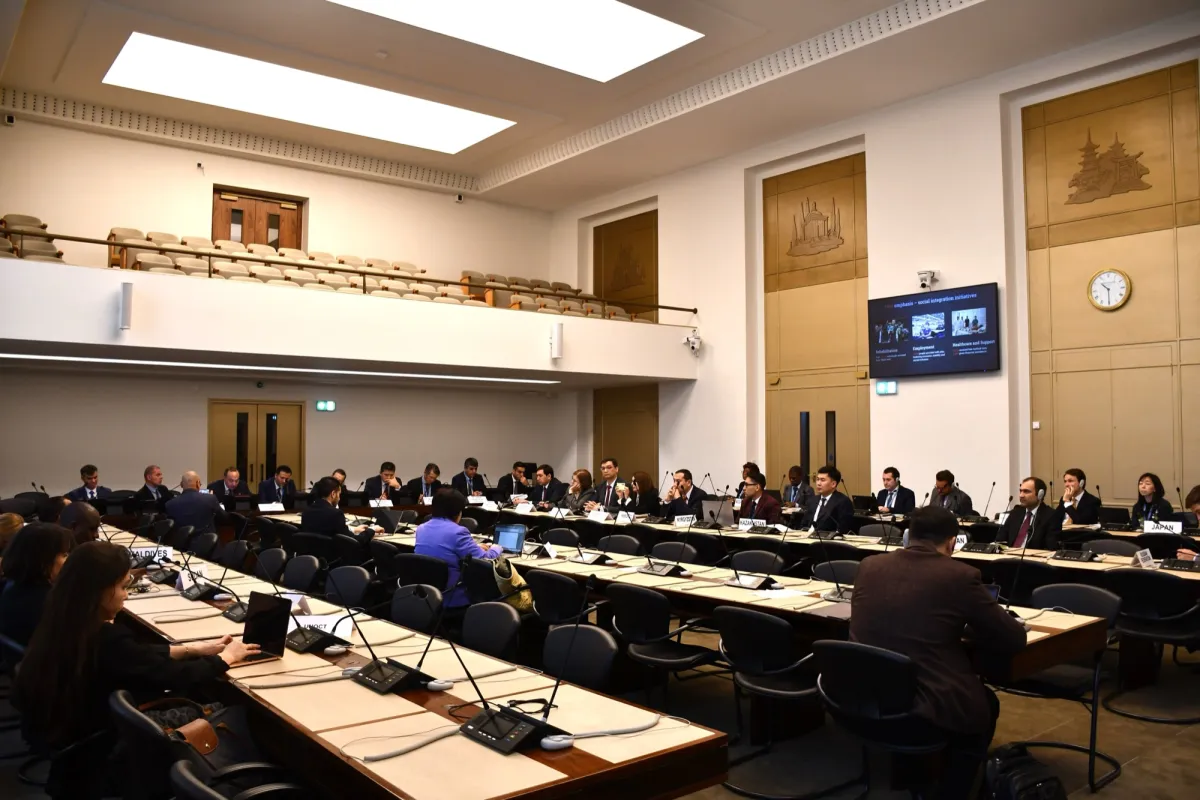
The Global Community Engagement and Resilience Fund (GCERF) today confirmed a new agreement for cooperation with the Government of Uzbekistan at a thought-leadership event at the UN Palais des Nations…
Read story → -
Press release
At Bangladesh Sustainability Summit GCERF Marks First…
At a high-level Sustainability Summit in Dhaka, Bangladesh, representatives of the Global Community Engagement Fund (GCERF), the Ministry of Foreign Affairs, and grantee organizations Young Power in Social Action (YPSA) and Rupantar jointly marked the transition…
Read story → -
Press release
GCERF Convenes Government, Civil Society and Donor…
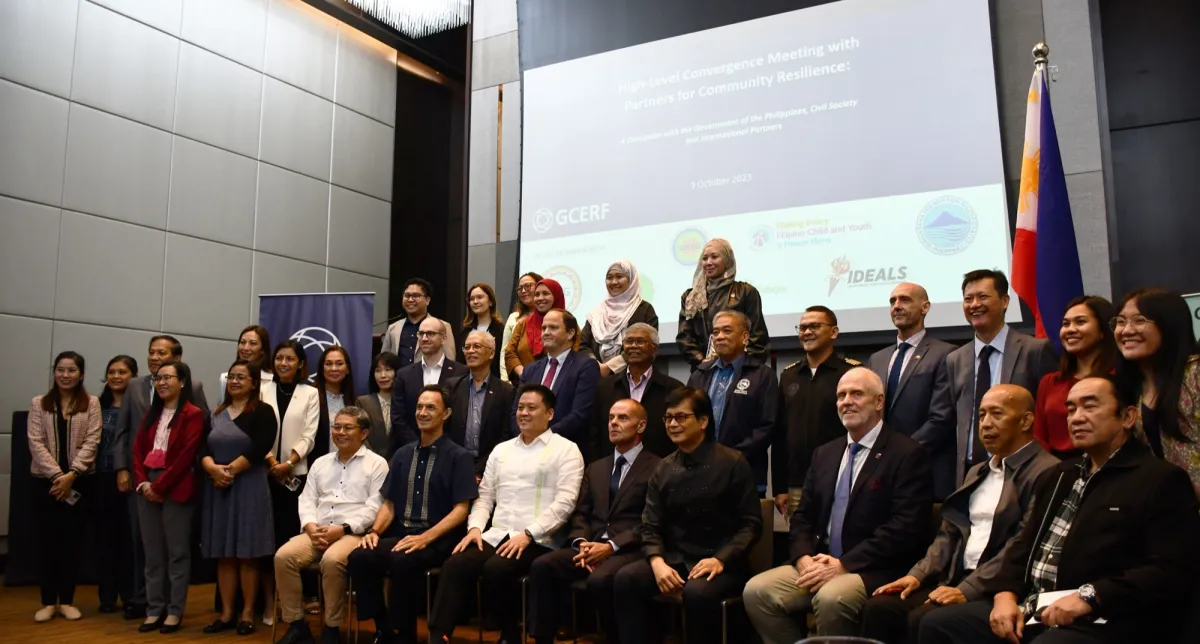
In a first-of-its-kind Convergence Event, GCERF convened senior leadership of the Government of the Philippines, heads of GCERF’s six current civil society implementing partners and representatives of five donor governments, for a dynamic exchange of perspectives on preventing violent extremism in the Philippines.
Read story → -
Press release
GCERF Approves New Partnership with Indonesia for Prevention…
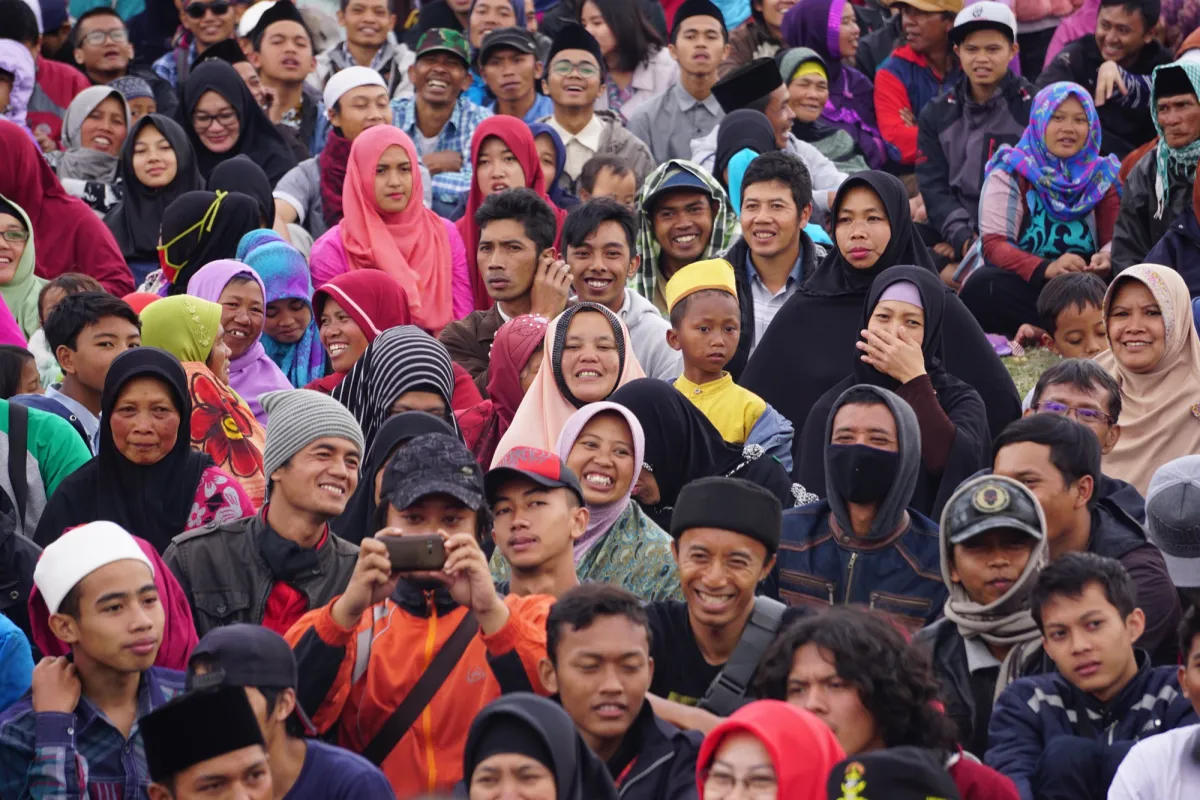
The Global Community Engagement and Resilience Fund (GCERF) announced today that it will begin to fund projects to prevent violent extremism in Indonesia, expanding GCERF’s reach to 22 countries globally. Grant support to community-led initiatives is expected to commence in 2024.
Read story → -
Press release
Global Fund to Prevent Violent Extremism Launches Grant…
The Global Community Engagement and Resilience Fund (GCERF) announced today that it will begin to fund projects to prevent violent extremism in Ghana and Kyrgyzstan, expanding GCERF’s reach to 21 countries globally.
Read story → -
Story
Lifting Basic Education and Expectations of Good Governance…
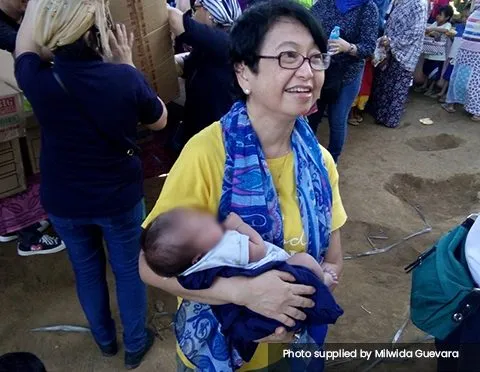
To follow Milwida Guevara’s career, through primary school teaching, federal politics in the Philippines and as an economist for the UN, is to inch ever closer the people she set off to help.
Read story → -
Story
Empowering the next generation in the Philippines to lead a…
In Lanao del Sur, GCERF supports a series of initiatives promoting active citizenry and personal leadership, enhancing the understanding of Bangsamoro identity and addressing historical grievances and discrimination which have been drivers of radicalisation.
Read story →
Explore more
-
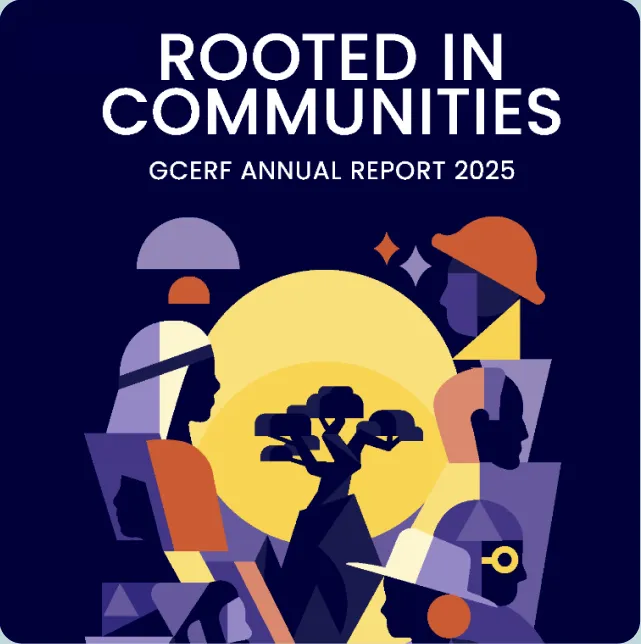
Annual report
Rooted in communities
Our most recent annual report documents GCERF’s results, investments, and impact across all countries and programmes in 2025.
Read report → -
Podcast
Learning, Earning and Belonging: Pathways to Reintegration
In this episode of Turning Points, host Basile Ema Ebede, GCERF’s Regional Manager for South-East Asia, is joined by Aisah Ponce Macabuat, Project Manager at ECOWEB Philippines, to explore how education, vocational training and livelihood development can support rehabilitation and reintegration.
Listen to episode → -
Report
Mental Health and Psychosocial Support in Rehabilitation and…
Recommendations on integrating MHPSS into R&R programmes, drawing on country-level experiences and practical lessons.
Read report → -
Podcast
The Role of Faith Leaders and Youth in Deradicalisation and…
Faith leaders can be among the most trusted people in a community. But what happens when that trust is brought into the work of rehabilitation and reintegration? In this episode of Turning Points, host Samhita Ayaluri explores how faith leaders and youth actors can contribute to preventing violent extremism, and building stronger, more resilient communities.
Listen to episode → -
Story
From Football Fields to Safe Spaces: Building Youth…
In Garbatulla Sub-County, Isiolo, at-risk youth once had nowhere to turn – No structured support to protect them from the pull of violent extremism. That began to change when RPPL’s GCERF-supported SIRR programme found a powerful ally in Abduba, a respected youth leader and chairperson of the local football federation.
Read story →