At the beginning of 2026, R (initial), a former detainee from Tamanjeka, Desa Masani, faced an uncertain future. His family relied heavily on seasonal cocoa harvests, an inconsistent source of income that often left them struggling to meet daily needs. This economic instability affected not only his household, but also his ability to reintegrate confidently into the community.
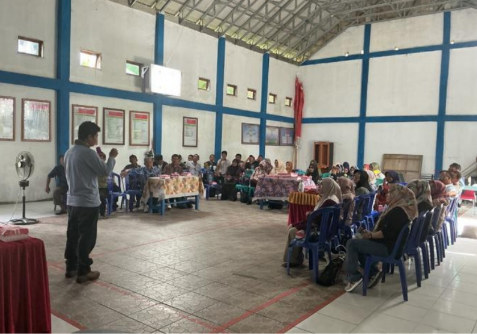
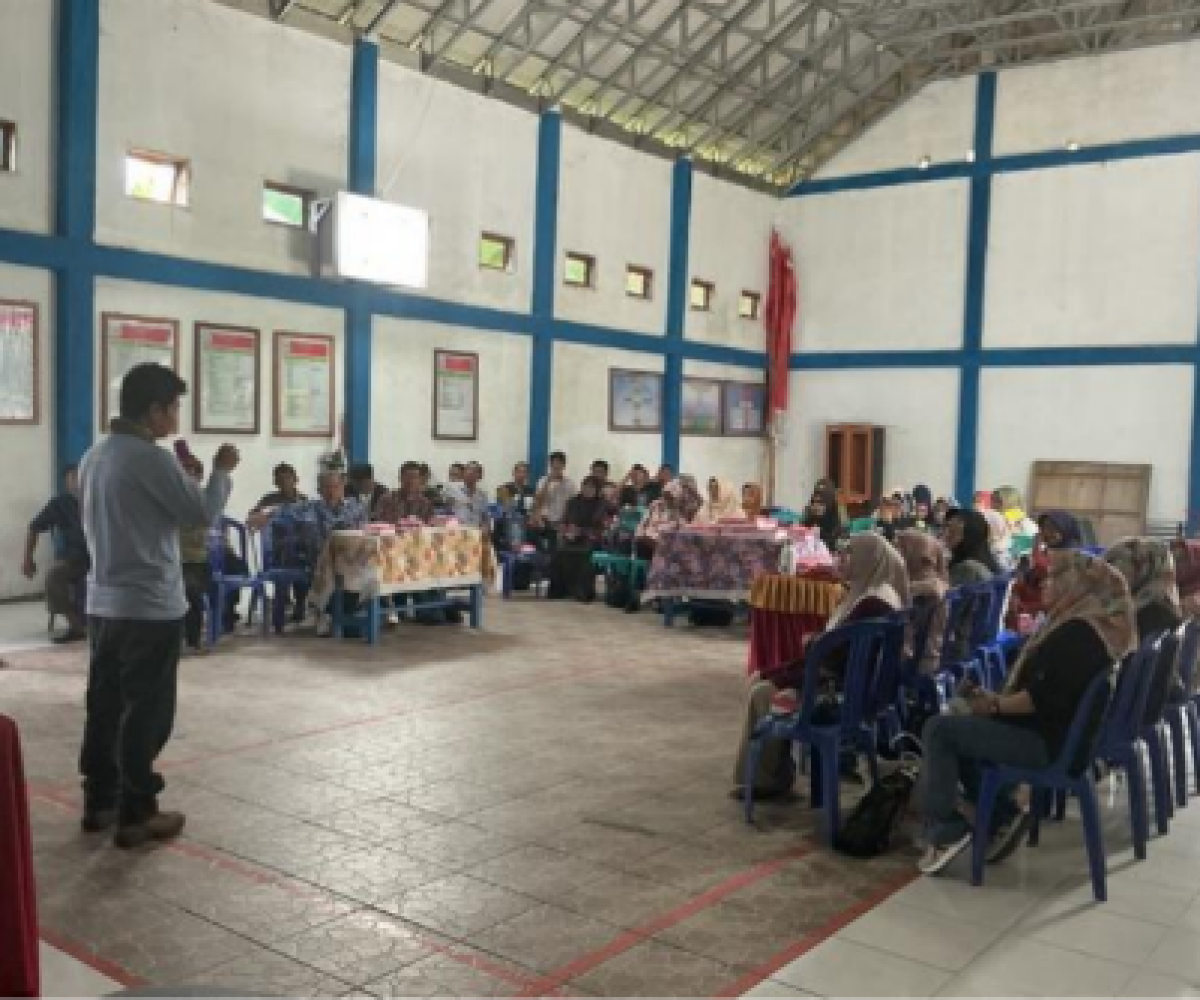
Through the Sahib Bisnis programme, implemented by NPID as part of its vocational training and material support interventions, R was introduced to basic financial management and small business operations, learned step by step during “Kelas Belajar” (Learning Class) sessions. These were skills he had never had the chance to develop before. He also received business capital support and ongoing mentoring, helping him put this new knowledge into practice.
Eventually, R established a small kiosk selling daily necessities such as gas and fuel. Combined with practical training, material support, and continuous mentoring, the experience built his confidence and sense of independence, allowing him not just to start a business, but to sustain and grow it.
As his economic situation stabilised, so did his engagement with the community, helping rebuild trust and social connections. R’s experience shows that when vocational training, material support, and sustained accompaniment come together, they can address the economic vulnerabilities that often stand in the way of reintegration.
In doing so, this kind of support helps reduce risks associated with violent extremism, by fostering stability, dignity, and positive participation in community life.