Stories of Change
Featured
Story
From Football Fields to Safe Spaces: Building Youth…
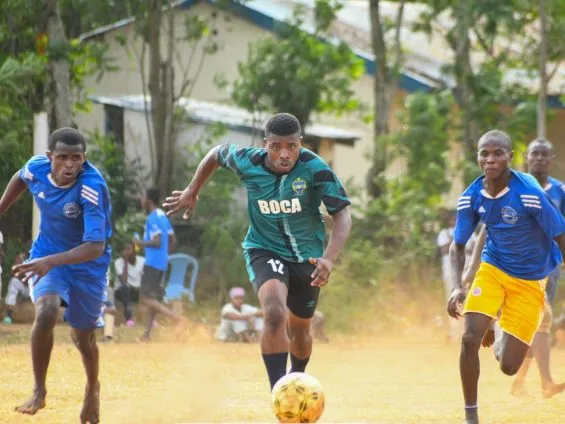
In Garbatulla Sub-County, Isiolo, at-risk youth once had nowhere to turn – No structured support to protect them from the pull of violent extremism. That began to change when RPPL’s GCERF-supported SIRR programme found a powerful ally in Abduba, a respected youth leader and chairperson of the local football federation.
Read story →Latest Stories
-
Story
Breaking the Cycle of Violent Extremism: Daina’s Story of…
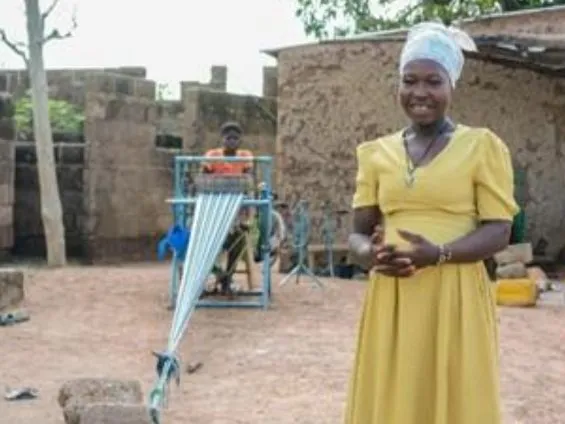
In 2024, STAR Ghana Foundation taught Daina weaving along with market skills, digital literacy, and ways to prevent violent extremism, while a village savings group helped her manage her money.
Read story → -
Story
From Participant to Peace Actor: Safia’s Role in Calming…
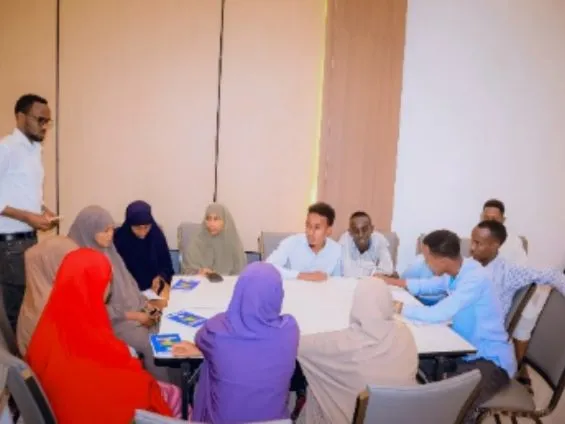
In Somalia, a GCERF-supported locally-led initiative equipped women and youth with dialogue, mediation, and conflict de-escalation skills to strengthen their role in local peacebuilding. Through coaching and practice, participants gained confidence to address tensions constructively and contribute to more resilient, peaceful communities.
Read story →
Our work
5 results
-
Story
Women Advancing Peaceful Change in Lake Chad Region
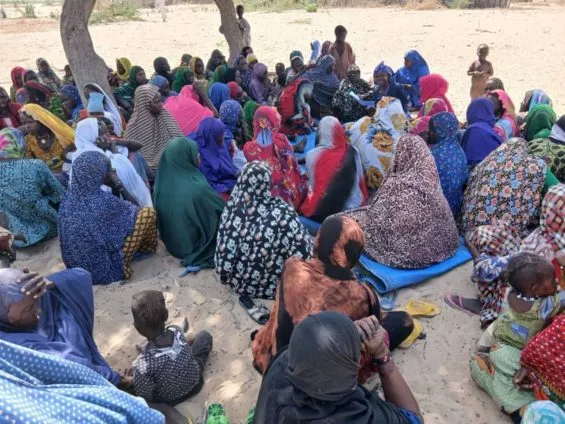
In Lake Chad’s region, a GCERF-supported project implemented by a local CSO consortium led by Ligue Tchadienne des Droits de l’Homme (LTDH) strengthened women’s participation in local governance by creating opportunities for dialogue, advocacy, and constructive engagement with authorities.
Read story → -
Story
From Surrender to School: Sourbadjo’s Story
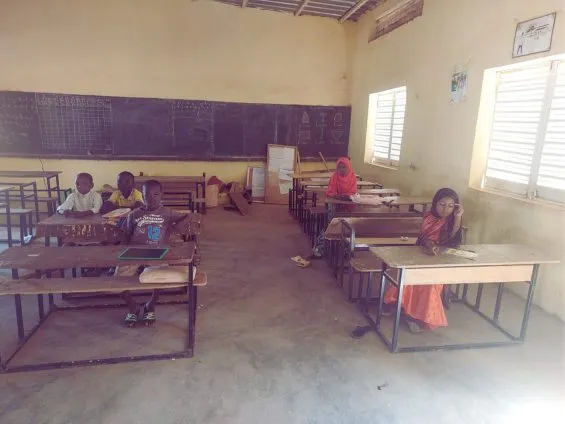
In 2023, GCERF launched the PAISRSIP project in Niger to support the demobilisation and reintegration of former members of non-state armed groups and their families — turning surrender into a pathway for education, livelihoods, and renewed hope.
Read story → -
Story
From Fear to Freedom: Rebuilding Life After Extremism
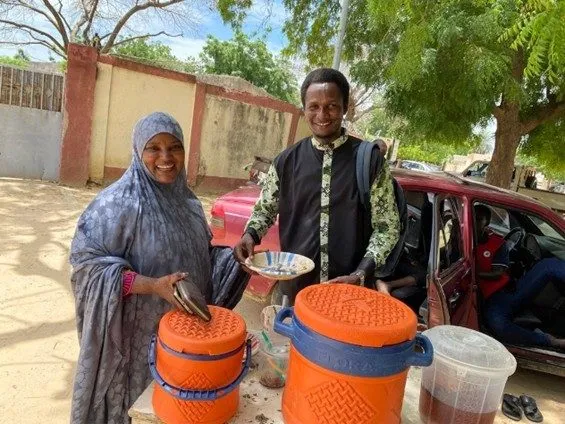
Hadjiya, 39, is a mother of six from Niamey, Niger. At 18, she moved to Diffa to live with her sister, married to a police officer. There, she met the man who would become her husband. He appeared wise and well connected, with business partners in Chad, but she knew little about his real activities.When Boko Haram’s influence surged in Diffa, Hadjiya discovered the truth: her husband was a member of the extremist group. By then, it was too late for her to leave safely. As authorities intensified efforts to identify those linked to violent extremist networks, her husband persuaded her to follow him to a forest near Lake Chad to join a local Boko Haram leader.Hadjiya spent eight difficult years living under constant threat, from security operations to rival factions. Life was extremely precarious: no clean water, no healthcare, little food. She witnessed the deaths of many pregnant women due to the absence of medical support. Her mother-in-law repeatedly urged them to return home, but her husband refused.When the Nigerien government announced an amnesty for those who voluntarily surrendered, her husband finally agreed to escape. The family fled together, but on the way, they were intercepted by fighters, who kidnapped one of their daughters. Her husband fled to Nigeria, while Hadjiya managed to return to Diffa with her remaining children, where they were received by the authorities and enrolled in the GCERF-funded PAISRSIP programme.Through the project, Hadjiya participated in judicial profiling, deradicalisation sessions, and psychological support, crucial steps in rebuilding trust, resilience, and social reintegration. After receiving her certificate of exemption from prosecution, she and other former associates of extremist groups were supported to restart their lives through tailored income-generating activity kits and career guidance.Hadjiya chose to launch a ready-to-wear clothing business. Today, her enterprise has grown steadily, enabling her to earn a reliable income and diversify into selling incense and food near the Diffa Governor’s Office. She now saves regularly and contributes to a neighbourhood tontine of 20,000 CFA francs each month.Hadjiya’s journey shows the transformative impact of community-based reintegration and preventing violent extremism (PVE) support. With stability, economic opportunity, and tailored psychosocial assistance, she and her children have rebuilt their lives and broken the cycle of violent extremism.
Read story → -
Story
The story of Yusuf, A Former Boko Haram fighter (Niger)
Yusuf, a 22-year-old individual from the commune of Bosso in Niger became a Boko Haram fighter at a very young age and lived with the group for over 10 years.
Read story → -
Story
“This is the first time I see hope”: Healing in the prisons…
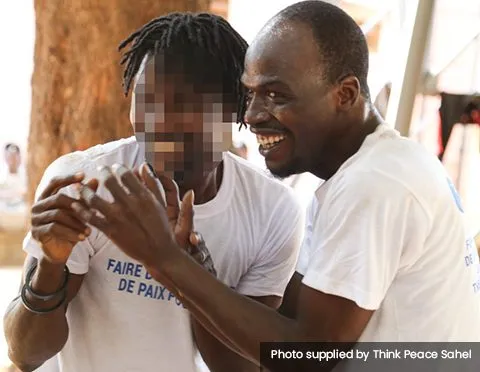
Seeing Ousmane Koné dance, controlling his movements with the grace of a bird, there’s little to hint at the hardship the 29 year-old has overcome.
Read story →
Explore more
-
Annual report
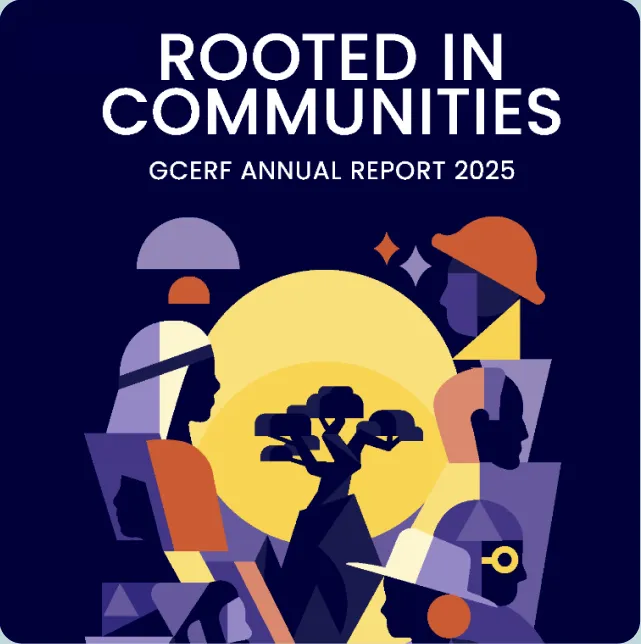
Rooted in communities
Our most recent annual report documents GCERF’s results, investments, and impact across all countries and programmes in 2025.
Read report → -
Podcast
Learning, Earning and Belonging: Pathways to Reintegration
In this episode of Turning Points, host Basile Ema Ebede, GCERF’s Regional Manager for South-East Asia, is joined by Aisah Ponce Macabuat, Project Manager at ECOWEB Philippines, to explore how education, vocational training and livelihood development can support rehabilitation and reintegration.
Listen to episode → -
Report
Mental Health and Psychosocial Support in Rehabilitation and…
Recommendations on integrating MHPSS into R&R programmes, drawing on country-level experiences and practical lessons.
Read report → -
Podcast
The Role of Faith Leaders and Youth in Deradicalisation and…
Faith leaders can be among the most trusted people in a community. But what happens when that trust is brought into the work of rehabilitation and reintegration? In this episode of Turning Points, host Samhita Ayaluri explores how faith leaders and youth actors can contribute to preventing violent extremism, and building stronger, more resilient communities.
Listen to episode → -
Story
From Football Fields to Safe Spaces: Building Youth…
In Garbatulla Sub-County, Isiolo, at-risk youth once had nowhere to turn – No structured support to protect them from the pull of violent extremism. That began to change when RPPL’s GCERF-supported SIRR programme found a powerful ally in Abduba, a respected youth leader and chairperson of the local football federation.
Read story →