
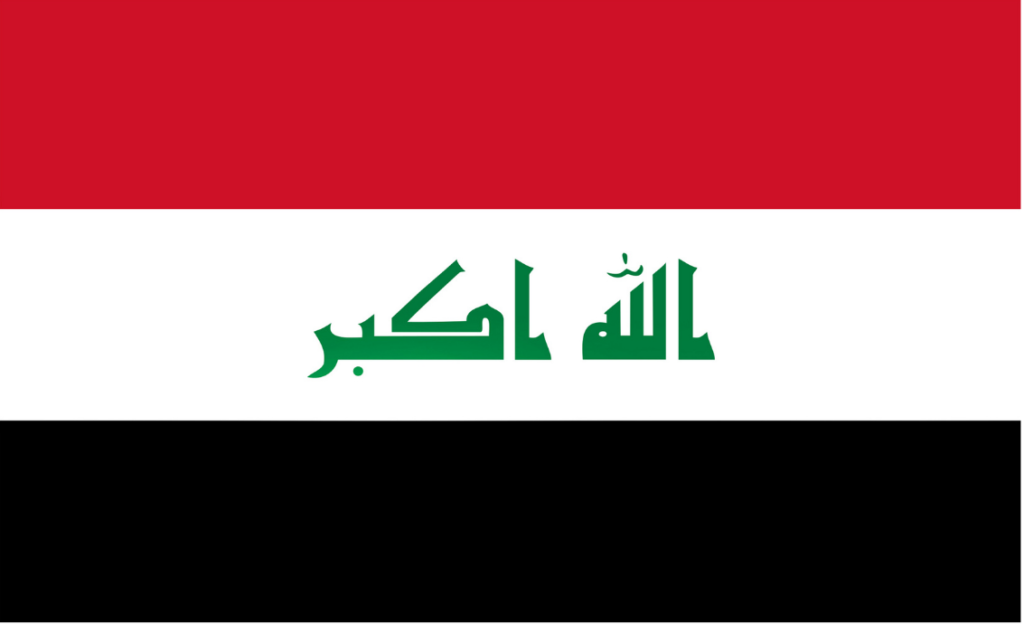
Middle East North Africa
iRAQ
Iraq became a GCERF partner country in 2023. GCERF has invested USD 7 million supporting 13 civil society organisations working to address the root causes of violent extremism and strengthen community resilience in a context marked by prolonged conflict, instability, and the ongoing challenges associated with the return, rehabilitation, and reintegration of Iraqi nationals from camps in North-East Syria, as well as persistent threats linked to regional insecurity and violent extremist groups.
- Al Anbar
- Babylon
- Diyala
- Ninewa
Background & Context
Understanding Violent
Extremism in Iraq
Despite continuous efforts by a wide range of stakeholders supporting the government of Iraq, violent extremism remains a major threat to Iraq’s national security and stability. Iraq adopted a national strategy for preventing and countering violent extremism and has put in place action plans at the level of the governorates through the countering violent extremism sub-committees. Iraq also faces another major challenge posed by the camps in North-East Syria (NES) containing Iraqi nationals. Beyond their threat to national, regional, and global stability, Iraq is committed to the return, rehabilitation, and reintegration of large numbers of Iraqi families coming from these camps.
GCERF'S UNIQUE INVESTMENT MODEL
Country
Support Mechanism
GCERF pioneers a unique model of investment designed to promote a whole-of-society approach and ensure the sustainability of our programmes. Under this model, in each partner country, we support national governments in establishing a steering committee called the Country Support Mechanism (CSM).
In Iraq, CSM is chaired by the Chairman of the National Committee to Combat Violent Extremism (NCCVE) under the office of the National Security Advisor (ONSA). In addition to engaging NCCVE that brings together relevant government agencies and CSOs, GCERF also engages donor representatives. CSM provides strategic direction for the programmes, ensure results and progressively inherits ownership of funding community-level efforts to prevent violent extremism.
Key Drivers of Violent Extremism
Inter-ethnic and religious conflicts
Violent extremist groups exploit existing and emerging conflicts to increase their grip on communities.
Challenges in rehabilitation and reintegration of returnees
Returnees from the areas formerly held by VE groups and families associated with VE groups face a challenge in reintegrating with the original communities.
Socioeconomic marginalisation characterised by unemployment
Post-war economic instability, corruption, and oil dependency have weakened the economy and increased unemployment.
Results at a Glance
Key Results
Investment & grant figures updated May 2026 · Programme results updated December 2025
Our Approach
Investment Strategy in Iraq

Support the rehabilitation and reintegration of people returning from Northeast Syria