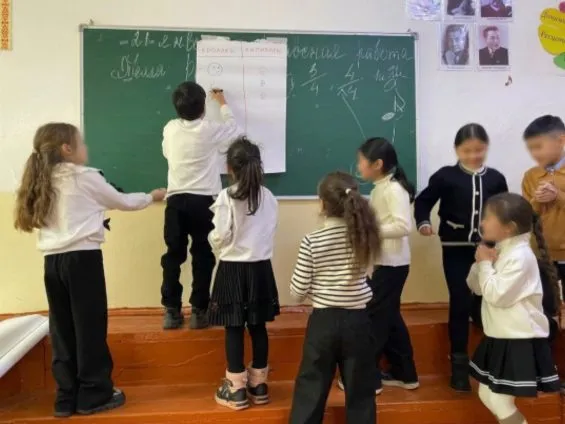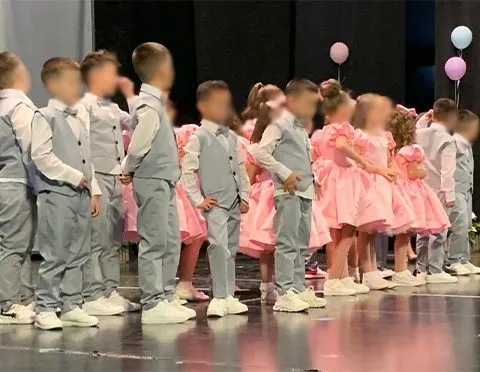
The little girl in frilly white socks speaks confidently into the microphone as her classmates stand behind her on stage.
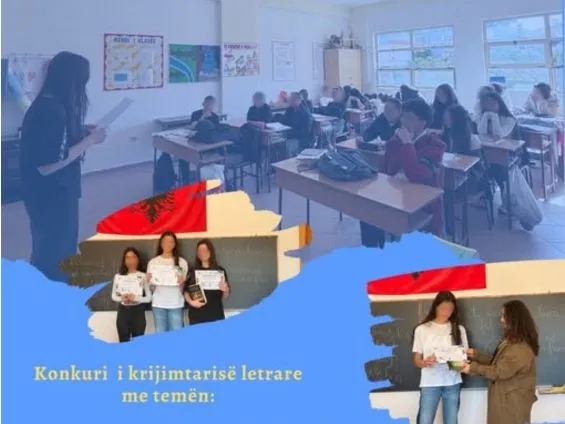
At the concert to mark children’s day in a small city outside Tirana, Albania, there was nothing to mark the 6 year-old out from her peers as they danced to bright music in the school auditorium.
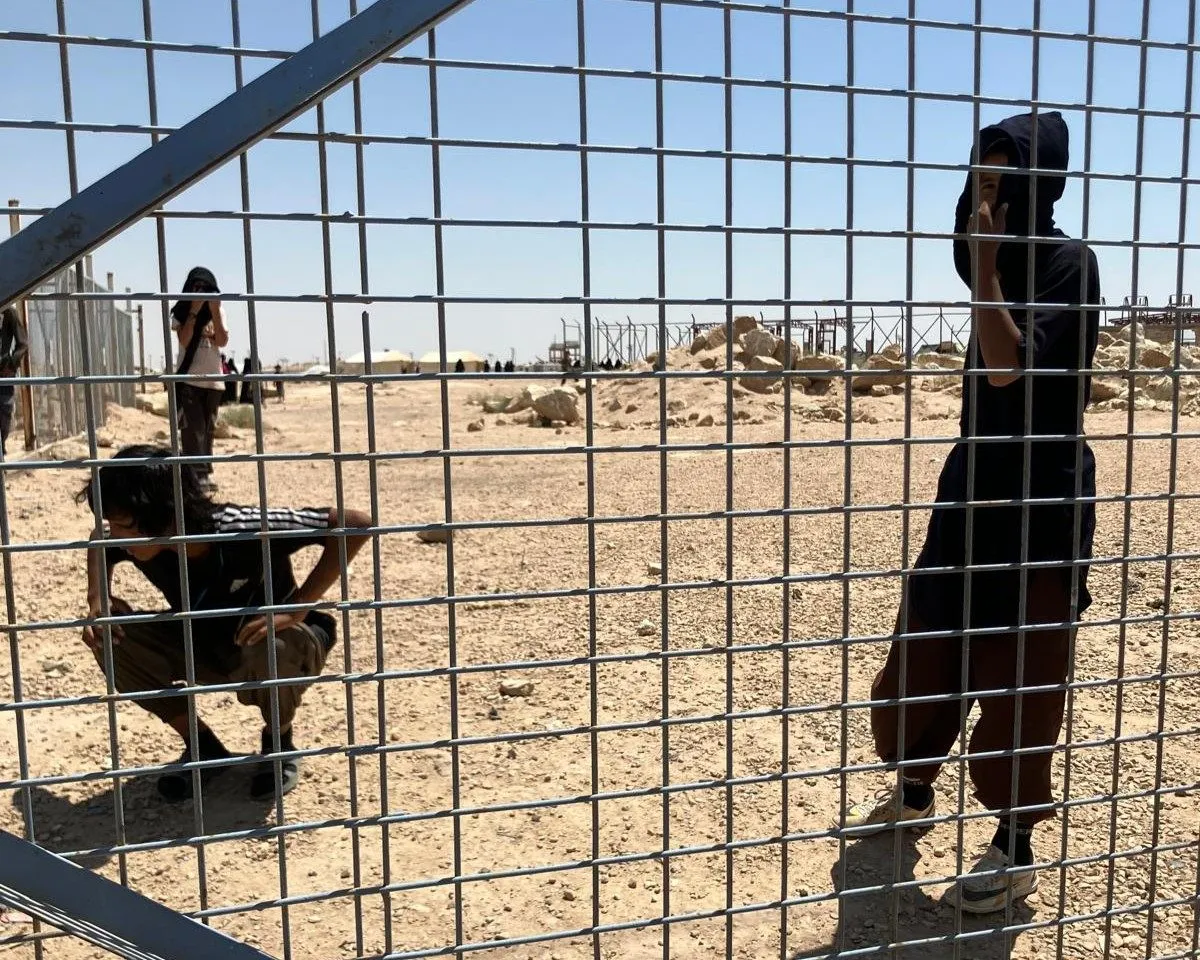
But to the teachers and support workers who knew her personal circumstances, it was a moment of particular pride. Just over a year ago, the girl had been in a camp for families of foreign fighters in Al Hol, Syria. She had been born to an Albanian mother, speaking Arabic as her mother tongue.
“To see, myself, how far the children have come – from arriving in Albania to a year later – is very gratifying,” says Sindi Shahu, Project Assistant for the GCERF-funded NGO, Counselling Line for Women and Girls.
The local organisation, along with two other GCERF grant recipients, Terre Des Hommes and the Institute for Democracy and Mediation, provides services for returnees, covering housing, educational and medical needs to facilitate a smooth transition back into Albanian society.
In August, Albania received its second caseload of mother and child returnees from Syria. The first arrived in the autumn of 2020 and more are expected. The Coordination Center for Countering Violent Extremism manages the overall response, liaising between government, security actors and social services.