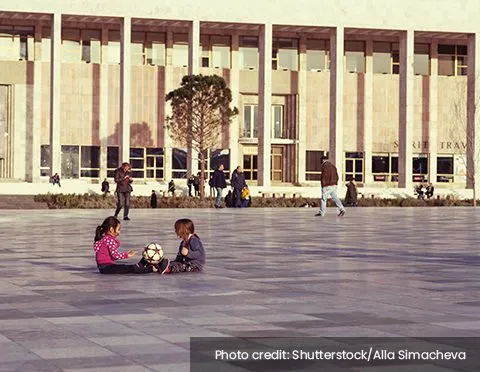
“I hope to one day see these children help promote security and peace in Albania.”
A.T.* is a clinical psychologist who counsels families returning to Albania from conflict zones, particularly from refugee camps in northeast Syria. A clinical psychologist by training, her role is to work with children at a receiving centre where they arrive with their family members.
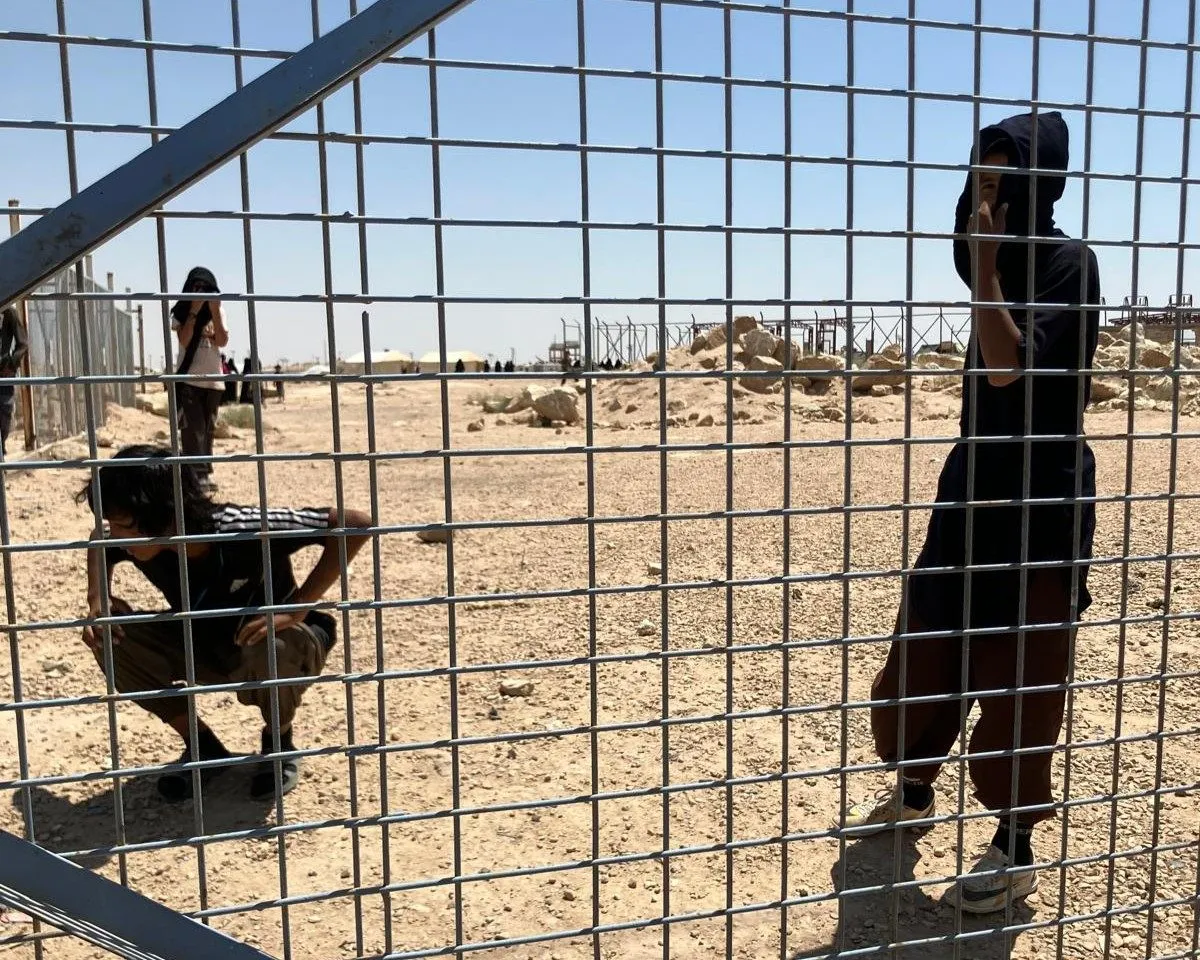
“Upon their arrival, it is obvious that these children suffered through a lot in the camps and they needed support for being reintegrated and rehabilitated in the community,” she says.
The Albanian government is committed to bringing its citizens back from conflicts abroad. This repatriation is largely out of moral obligation to bring back women and children who live in formidable camp conditions. Working with local civil society organisations such as Terres des Hommes and the Counselling Line for Women and Girls is crucial to their reintegration and rehabilitation process. GCERF provides grants to both these organisations to train and mentor civil servants on case management, psychosocial support, social work, trauma- and violence-informed care, and on post-traumatic stress disorder.
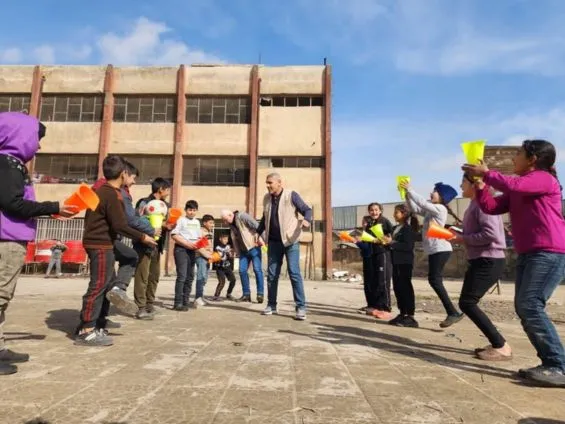
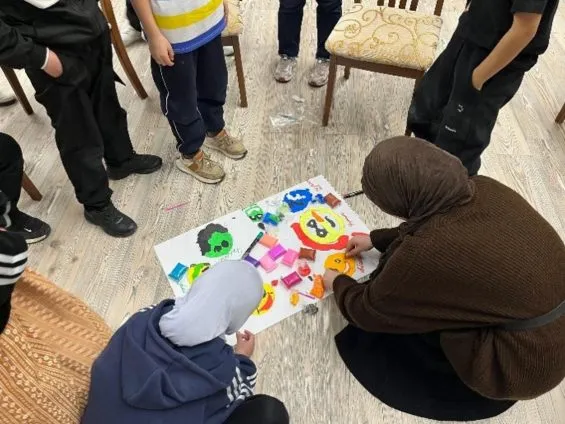
Therapeutic work begins in the shelter because there, children immediately feel more secure: moving them somewhere else would disrupt their adjustment process. “We spend a few hours together playing with toys as it is important to establish a good connection with them from the start to build emotional and psychological support,” A.T. says.
A.T.’s therapeutic approach is based on her experience working with children who have been exposed to trauma and adversity. It is an investment of time as reintegration can also be a sensory overload. One child cried upon hearing a song he first heard played by soldiers in his camp.
The process of repatriation, rehabilitation, reintegration and resocialisation of Albanians from conflict areas is coordinated by the Coordination Center for Countering Violent Extremism. The coordination process is lengthy, working across several national and local governments and alongside international and civil society organisations. It includes, among others, arranging transport and accommodation, providing medical exams, legal expertise and ensuring ongoing home and community support.