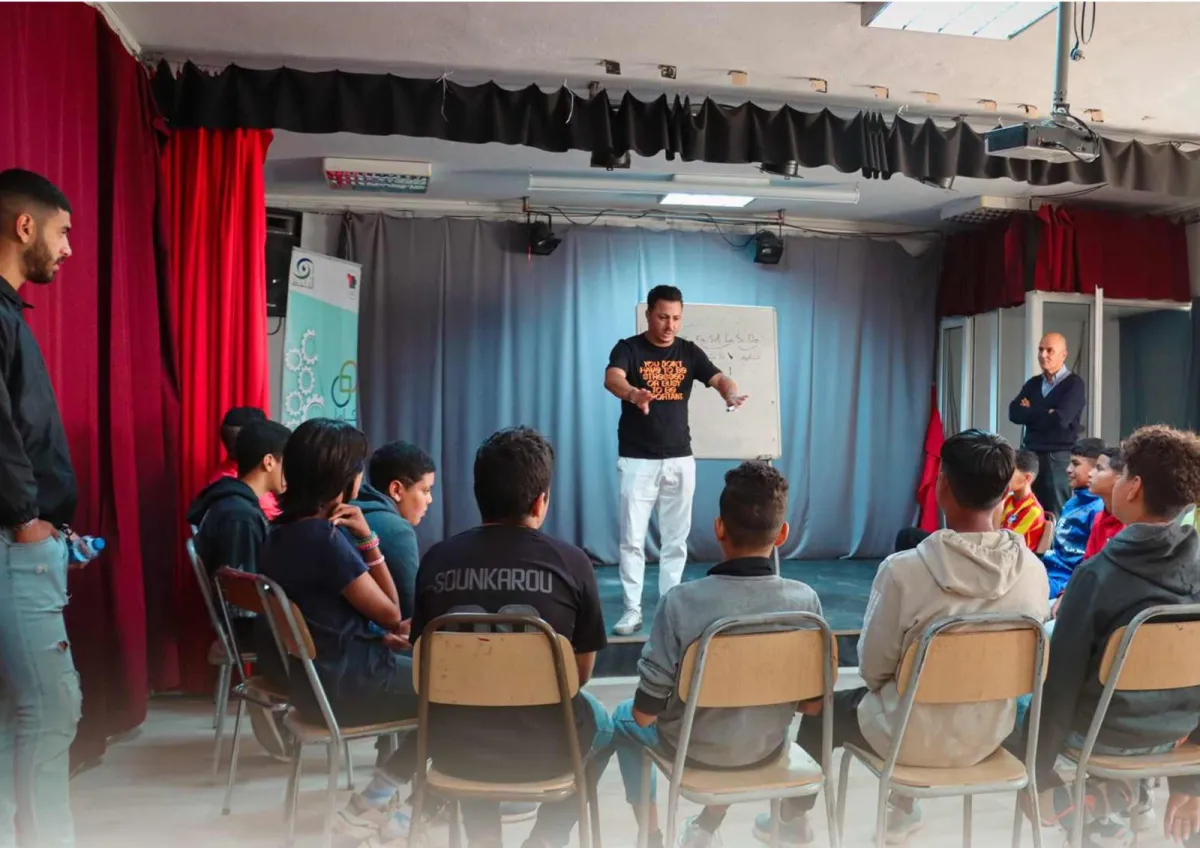
- Support rehabilitation and reintegration of returnees from violent extremist groups and former detainees charged with extremism
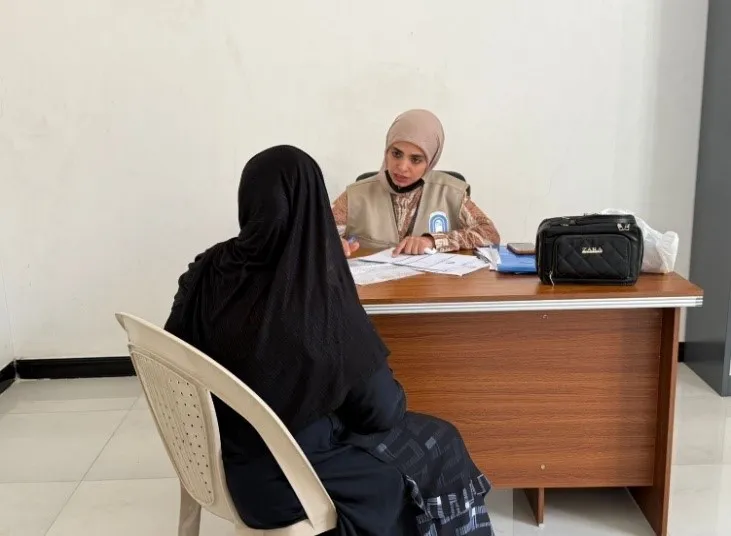
- Increase access to economic opportunities for daily labour workers, small traders, returning migrant workers, and people from vulnerable or stigmatised neighbourhoods
- Raise awareness against online and in-person radicalisation
Hedayah
About Hedayah
Where they work
View all countries
$2.2M Investment funds
- Grants
- 3
- Civil society organisations
- 10
$5.6M Investment funds
- Grants
- 7
- Civil society organisations
- 19
- 1,220 Community members engaged through interfaith, intercommunity, intergenerational dialogues to foster solidarity and reject false narratives often used by violent extremist groups
- 1,780 Community members reached by prevention campaigns to reduce the risk of recruitment by violent extremist groups
- 2,970 Individuals at risk of radicalisation and ex-combatants received livelihood support, strengthening their resilience against the financial incentives used by violent extremist groups to recruit
$2.6M Investment funds
- Grants
- 4
- Civil society organisations
- 12
- 25 Women and children returning from Iraq and Syria received counselling and psychosocial support
- 130+ Teachers and school professionals trained on PVE and R&R
- 500+ Frontline workers trained to facilitate effective rehabilitation and reintegration of returnees
$12.2M Investment funds
- Grants
- 18
- Civil society organisations
- 49
- 2,200+ Marawi IDPs and community members were engaged in legal awareness, dispute resolution, and dialogues to strengthen their access to justice, support claims processes, and promote peaceful conflict resolution at the community level
- 6,000+ Out of school youth, returnees, indigenous people, moro people, christians engaged through community dialogues and conversations to seek just and acceptable solutions for peaceful resolution
- 11,000+ Young people, small and medium enterprises, madrasah based organisations equipped with vocational skills and entrepreneurship support to strengthen their economic resilience against VE
$4.8M Investment funds
- Grants
- 10
- Civil society organisations
- 20
- 300+ Young people at-risk of radicalisation equipped with vocational skills and entrepreneurship support to reduce their vulnerability to recruitment into violent extremism
- 2,200+ Young people and school children engaged through peace clubs and forums to strengthen their resilience against violent extremism
- 4,500+ parents, teachers and youth engaged through dialogues and consultations to increase awareness on PVE, strengthen trust and social cohesion
-
Podcast
Learning, Earning and Belonging: Pathways to Reintegration
In this episode of Turning Points, host Basile Ema Ebede, GCERF’s Regional Manager for South-East Asia, is joined by Aisah Ponce Macabuat, Project Manager at ECOWEB Philippines, to explore how education, vocational training and livelihood development can support rehabilitation and reintegration.
Listen to episode → -
Article
Recalibrating Security-Community Relations: for the…
Mohamedamin Issack, Samhita Ayaluri
Read story → -
Story
Bridging Narratives: A Story of Cultural Understanding
Through the Teach Peace Build Peace Movement (TPBPM), the Bangsamoro Gallery Exhibit is creating space for dialogue and cultural exchange between Bangsamoro youth and university students in the Philippines.
Read story → -
Story
Women Leading Change For Children in Kairouan
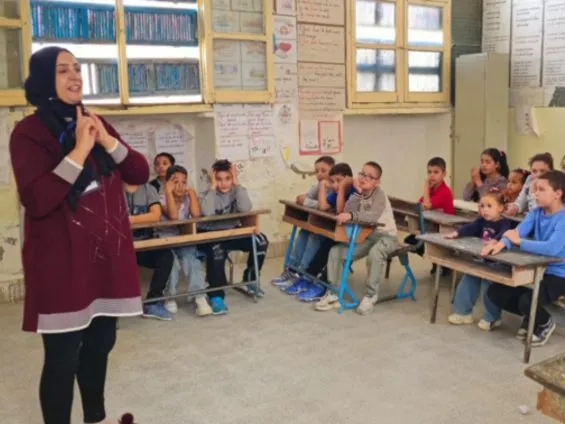
In Kairouan, the “Mon École Attractive, Ouverte et Inclusive” project turned early warning into early action — equipping women from the community to identify risks, support vulnerable children, and prevent school dropout and violence before they escalated, creating safer and more inclusive learning environments.
Read story → -
Story
Sahib Bisnis: A Pathway to Livelihood Stability
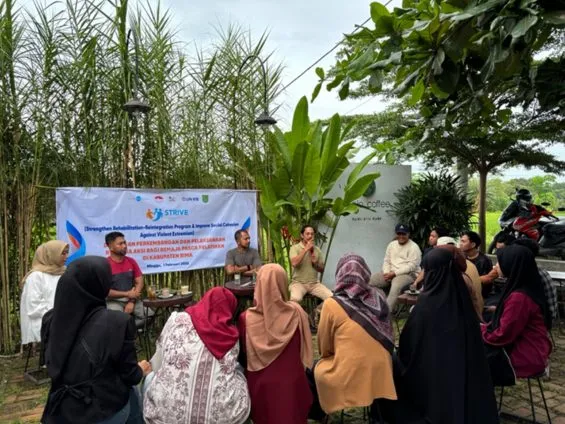
In early 2026, NPID supported the reintegration of a former detainee in Tamanjeka, Indonesia, through the Sahib Bisnis programme, combining vocational training, business capital, and ongoing mentoring to help him build a sustainable livelihood, strengthen community ties, and turn economic vulnerability into a pathway towards stability and self-reliance.
Read story → -
Story
Bilel’s Journey: Building Resilience
Growing up in a family living in extreme poverty, with a father living with a disability and no stable income, Bilel took on daily labour from a young age to help meet basic needs. In this fragile environment, he became vulnerable to the influence of an extremist group that gradually undermined his beliefs and sense of balance.
Read story → -
Story
From Surrender to School: Sourbadjo’s Story
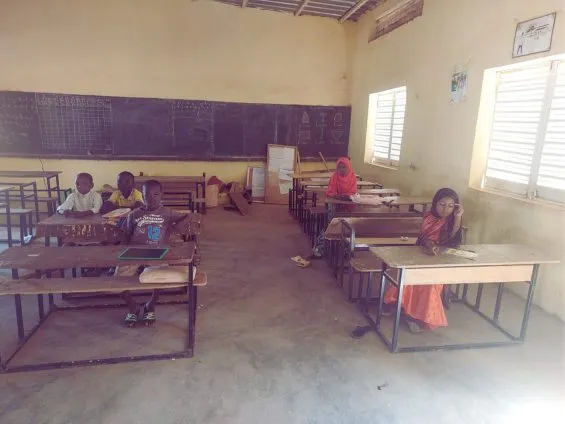
In 2023, GCERF launched the PAISRSIP project in Niger to support the demobilisation and reintegration of former members of non-state armed groups and their families — turning surrender into a pathway for education, livelihoods, and renewed hope.
Read story → -
Press release
Netherlands, Switzerland, and GCERF Launch SAFE: A Landmark…
The Kingdom of the Netherlands, the Swiss Confederation, and the Global Community Engagement and Resilience Fund (GCERF) today officially launched SAFE: Schools Against Fragile Extremism in Tunisia, a pioneering programme to prevent violent extremism among children aged 6 to 12 by transforming primary schools into safe, supportive, and resilient community hubs…
Read story →