Knowledge Hub
GCERF is uniquely positioned to translate community-level learning into knowledge that shapes the global response to violent extremism and terrorism. Our knowledge products draw evidence directly from programmes implemented by civil society organisations in the most remote and fragile contexts, offering insights grounded in reality.
Latest content
-
Podcast
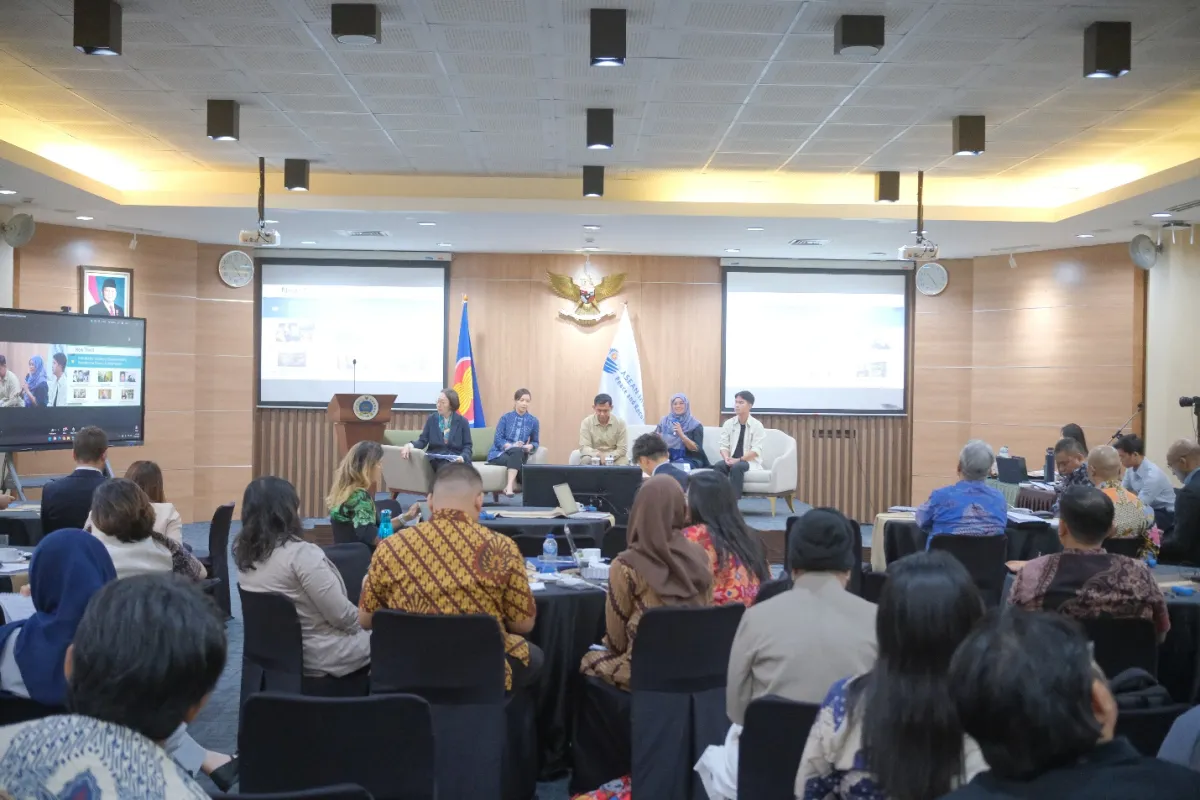
Learning, Earning and Belonging: Pathways to Reintegration
In this episode of Turning Points, host Basile Ema Ebede, GCERF’s Regional Manager for South-East Asia, is joined by Aisah Ponce Macabuat, Project Manager at ECOWEB Philippines, to explore how education, vocational training and livelihood development can support rehabilitation and reintegration.
Listen to episode → -
Report
Mental Health and Psychosocial Support in Rehabilitation and…
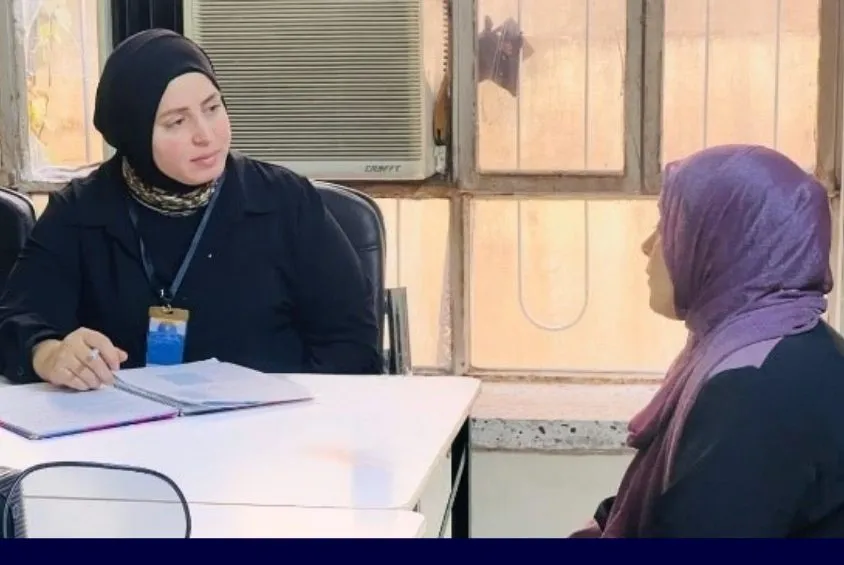
Recommendations on integrating MHPSS into R&R programmes, drawing on country-level experiences and practical lessons.
Read report → -
Podcast
The Role of Faith Leaders and Youth in Deradicalisation and…
Faith leaders can be among the most trusted people in a community. But what happens when that trust is brought into the work of rehabilitation and reintegration? In this episode of Turning Points, host Samhita Ayaluri explores how faith leaders and youth actors can contribute to preventing violent extremism, and building stronger, more resilient communities.
Listen to episode → -
Story
From Football Fields to Safe Spaces: Building Youth…
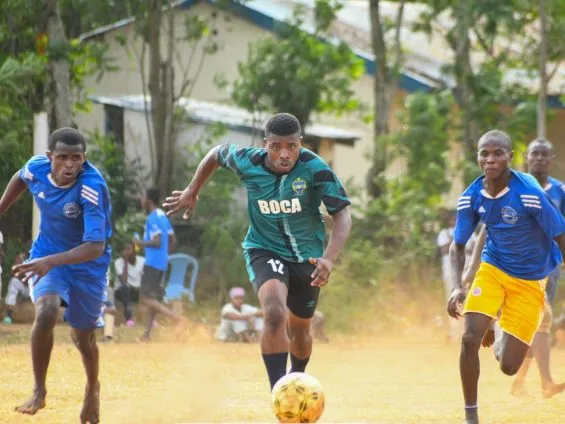
In Garbatulla Sub-County, Isiolo, at-risk youth once had nowhere to turn – No structured support to protect them from the pull of violent extremism. That began to change when RPPL’s GCERF-supported SIRR programme found a powerful ally in Abduba, a respected youth leader and chairperson of the local football federation.
Read story → -
Story
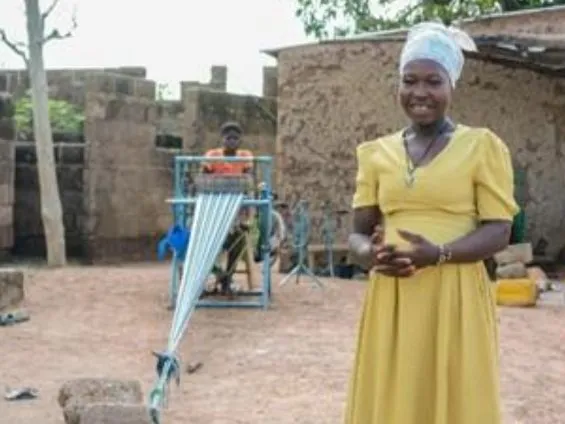
Breaking the Cycle of Violent Extremism: Daina’s Story of…
In 2024, STAR Ghana Foundation taught Daina weaving along with market skills, digital literacy, and ways to prevent violent extremism, while a village savings group helped her manage her money.
Read story → -
Article
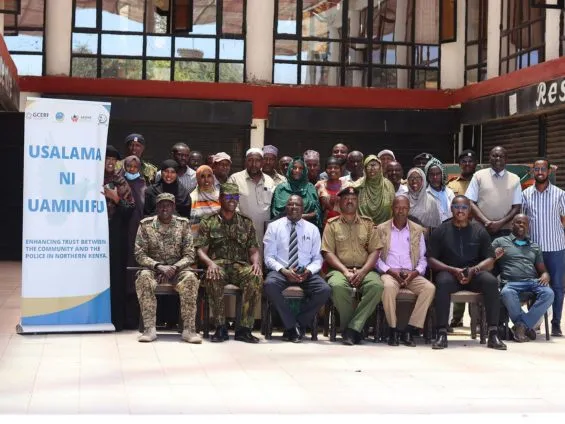
Recalibrating Security-Community Relations: for the…
Mohamedamin Issack, Samhita Ayaluri
Read story → -
Podcast
The Legal Path Home: International Law and The Challenges of…
Before rehabilitation and reintegration can begin, there is a fundamental question: who has the right to return? In this episode of Turning Points, host Basile Ema Ebede, GCERF’s Regional Manager, is joined by Aoife Devlin, a law and politics graduate from University College Dublin. Together they examine the legal challenges surrounding the repatriation of ‘foreign terrorist fighters’ and their families from Northeast Syria — exploring the role of international law, citizenship, and state responsibility.
Listen to episode → -

Press release
In Loving Memory: Claude-Emmanuel Hiol
It is with profound sadness that GCERF announces the passing of Claude-Emmanuel Hiol, who joined GCERF in 2025 and passed away in an accident. Claude-Emmanuel was working as an intern within the Sahel portfolio, supporting grant management activities in Mali. He was a valued member of the GCERF family, and his loss is felt deeply by all who knew him.
Read story → -
Story
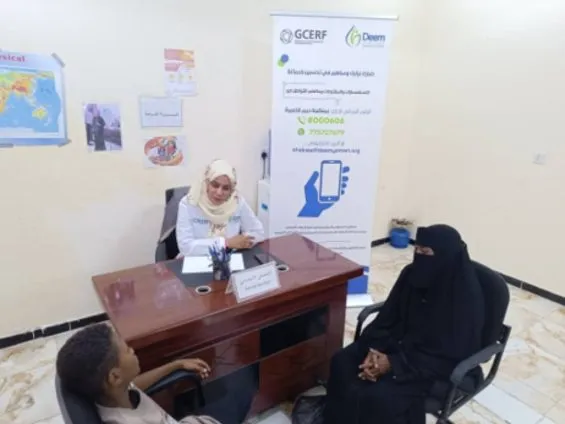
Rebuilding a Future: A Child’s New Beginning in Aden
In early 2026, a GCERF-supported child protection intervention through ‘Deem For Development’ in Aden Governorate, Yemen, helped a vulnerable adolescent move from detention toward reintegration—providing psychosocial support, family assistance, and vocational guidance to rebuild trust, resilience, and hope for the future.
Read story →
Our work
7 results
-
Press release
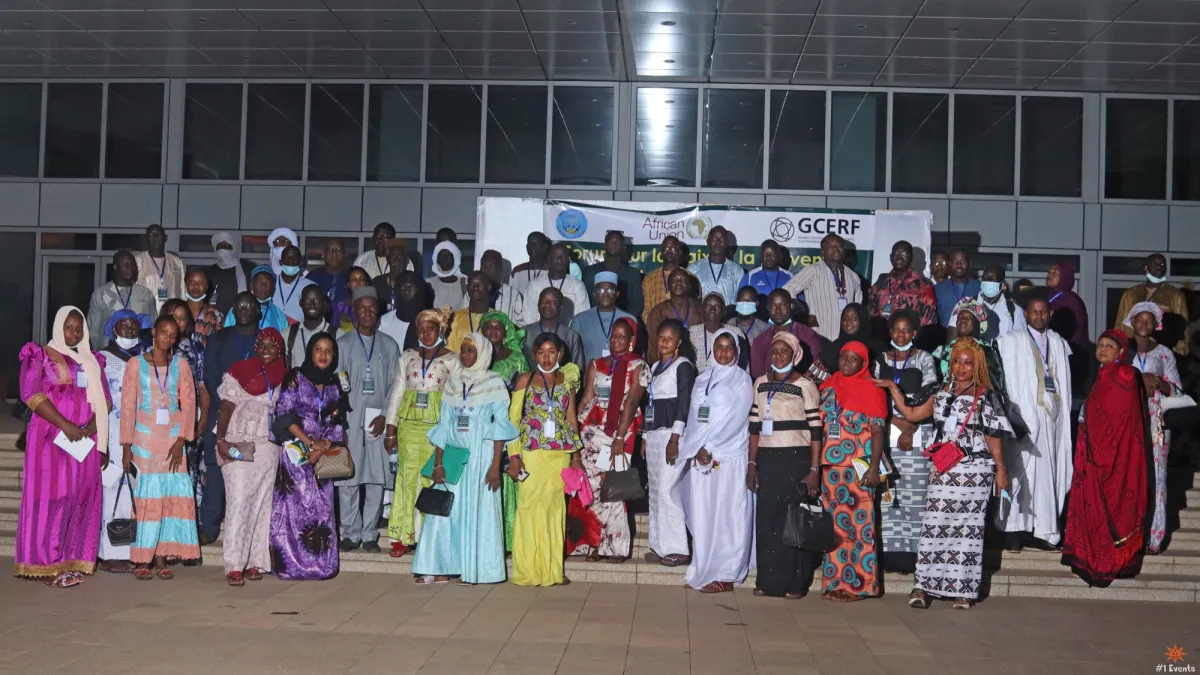
GCERF partnership convenes first regional conference in…
Violent extremism in the Sahel is a force of instability that is affecting an increasing number of countries in the region, as groups expand their influence. Local communities bear the brunt of this phenomenon, experiencing numerous deaths from violent extremists and hard security responses to the insecurity they cause, as well as significant displacement and disruptions to their livelihoods and educations. At the same time, local communities are best placed to both understand and address the underlying factors that violent extremists exploit to gain power and legitimacy. In other words, they hold the key to success of prevention efforts against violent extremism.
Read story → -
Press release
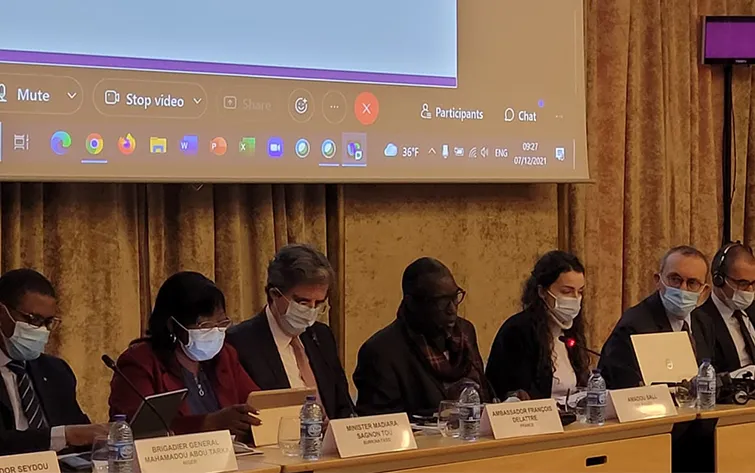
Enhancing Cooperation Key to Preventing Extremism, Achieving…
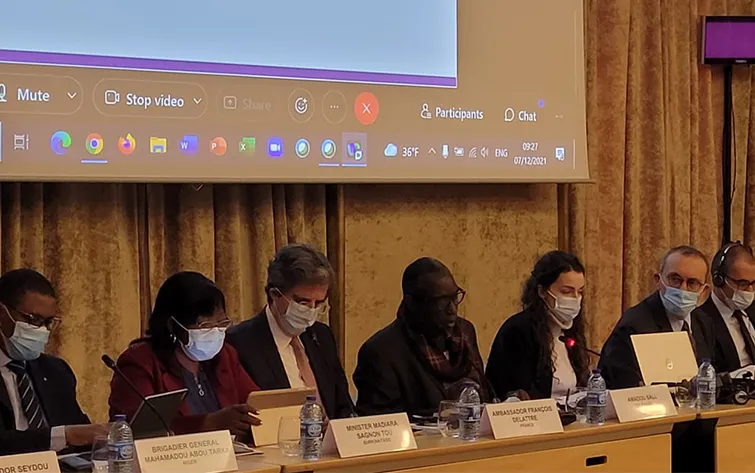
The Global Community Engagement and Resilience Fund (GCERF) together with the French Ministry for Europe and Foreign Affairs and the Executive Secretary of G5 Sahel held a panel discussion today on the responses to rising challenges of violent extremism in the Sahel region.
Read story → -
Press release
Communiqué De Presse: Le renforcement de la coopération est…
Paris, France, 7 décembre 2021 – Le Fonds mondial pour l’engagement communautaire et la résilience (GCERF), le Ministère français de l’Europe et des Affaires étrangères et le Secrétaire exécutif du G5 Sahel ont organisé ce jour une table ronde sur les réponses à apporter aux défis croissants de l’extrémisme violent dans la région du Sahel.
Read story → -
Press release
GCERF Regional Funding Mechanism Formalised for Sahel
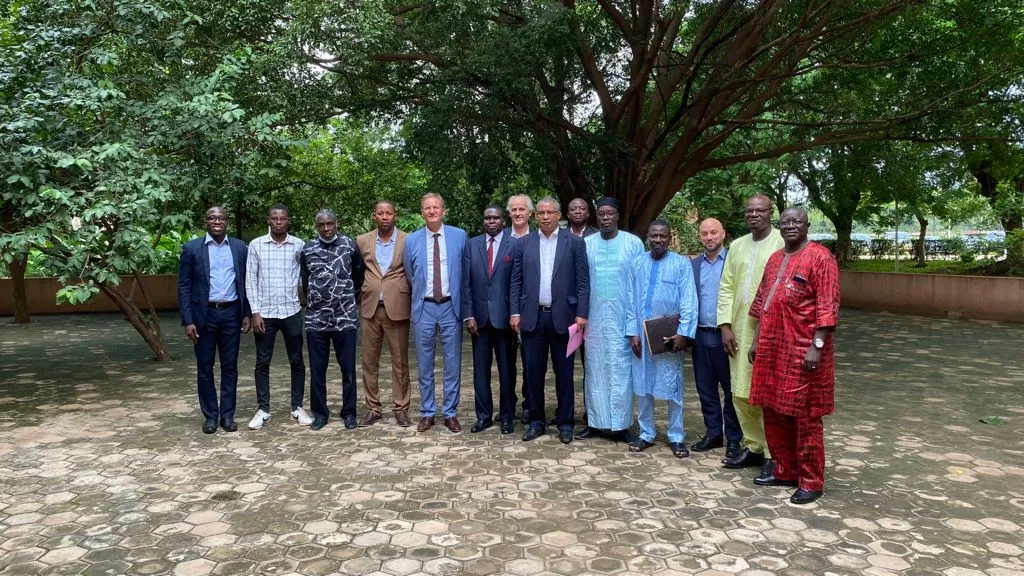
Last month, GCERF’s Regional Funding Mechanism for the Sahel, a multistakeholder body that supports the management of GCERF programming in the region, held its inaugural meeting to validate the Funding Mechanism.
Read story → -
In the media
Twenty years since 9/11, counterterrorism is at a crossroads…
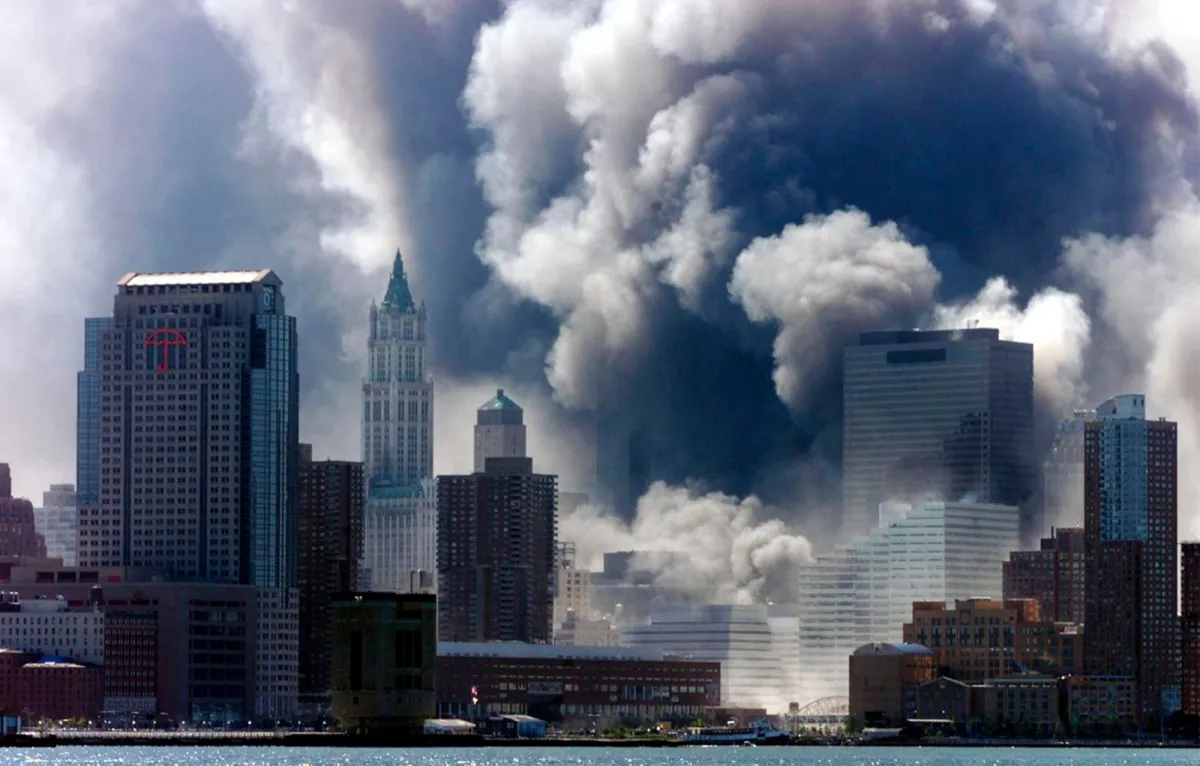
The shock of 9/11 dealt the global community a heart attack. In the aftermath, in its indecision on whether to address the symptom, by expelling Al Qaeda from Afghanistan, or the cause, by building a more legitimate state and prosperous society, the international community achieved neither. Now, 20 years on, there are legitimate concerns that the resumption of power by the Taliban will heighten the global risk of terrorism. The country may once again become a haven for international terrorist groups like Al Qaeda and ISIS, whose fighters are already there. The way the Taliban ultimately outlasted its would-be ousters will likely embolden other extremist groups around the world. More controversially, a mass exodus of Afghans to neighbouring countries risks re-establishing the conditions for radicalisation which bred the Taliban in the first place.
Read article → -
In the media
Twenty Years After 9/11, the US Needs a Better Strategy to…
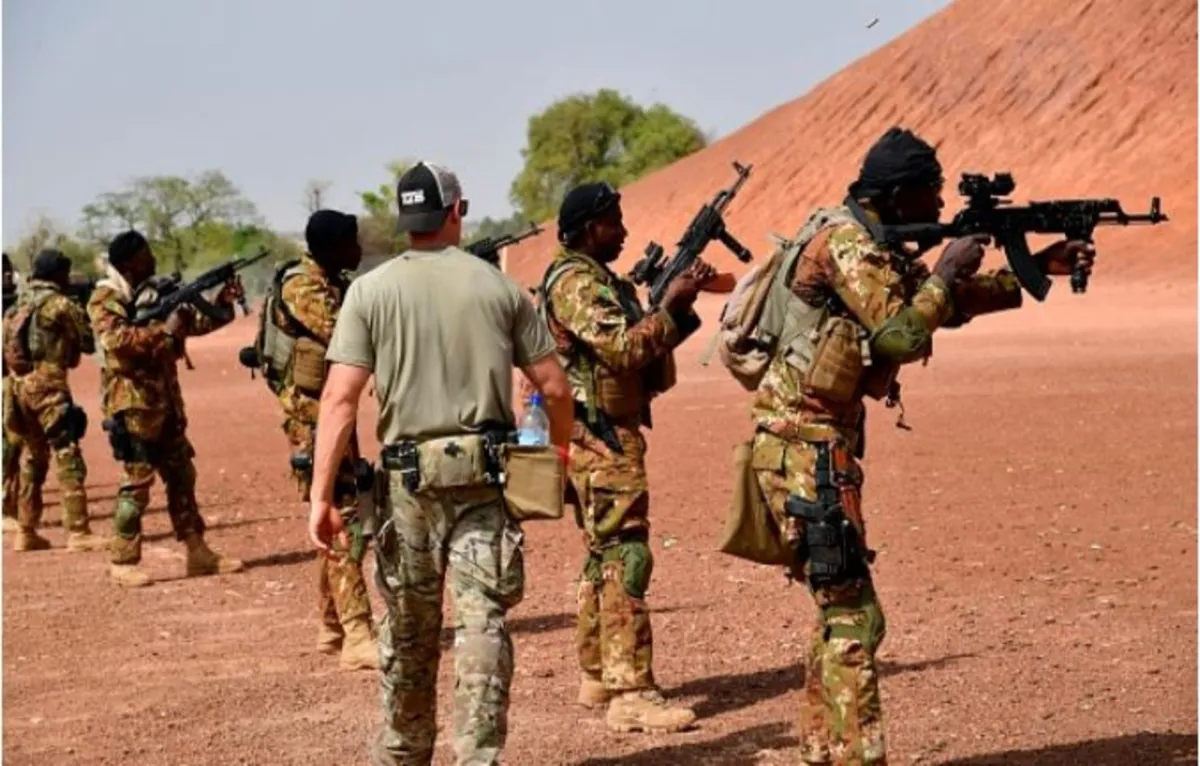
With his announcement to withdraw all U.S. troops from Afghanistan by the 20th anniversary of 9/11, President Joe Biden is delivering on his promise to bring an end to the “forever wars” that were the defining features of what began as the “Global War on Terrorism” two decades ago. Among other things, this much-anticipated decision reflects one of the lessons learned during this period: that terrorism is inherently a political phenomenon for which there is no military solution. While much of the reaction has focused on the implications for Afghanistan, the decision could and should serve as the initial step of a long-overdue effort to rebalance U.S. counterterrorism policy, in Afghanistan and beyond, toward too often overlooked diplomatic and development tools that can not only help counter existing threats, but prevent violent extremism from taking root in the first place in communities around the globe.
Read article →
Explore more
-
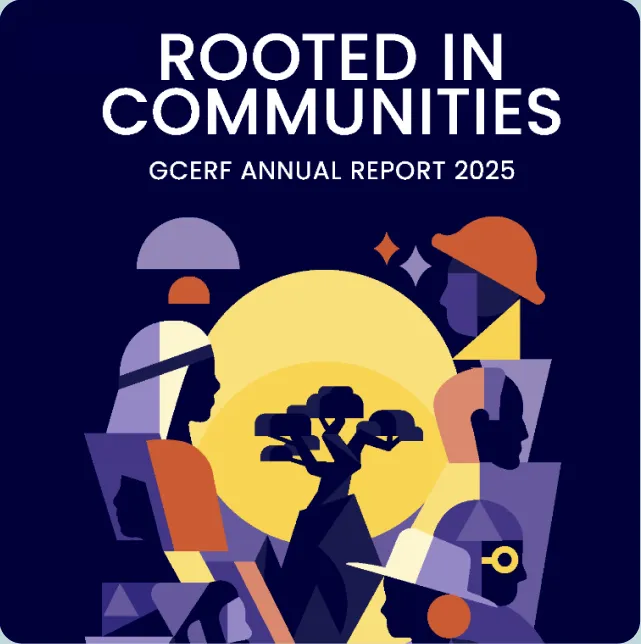
Annual report
Rooted in communities
Our most recent annual report documents GCERF’s results, investments, and impact across all countries and programmes in 2025.
Read report → -
Podcast
Learning, Earning and Belonging: Pathways to Reintegration
In this episode of Turning Points, host Basile Ema Ebede, GCERF’s Regional Manager for South-East Asia, is joined by Aisah Ponce Macabuat, Project Manager at ECOWEB Philippines, to explore how education, vocational training and livelihood development can support rehabilitation and reintegration.
Listen to episode → -
Report
Mental Health and Psychosocial Support in Rehabilitation and…
Recommendations on integrating MHPSS into R&R programmes, drawing on country-level experiences and practical lessons.
Read report → -
Podcast
The Role of Faith Leaders and Youth in Deradicalisation and…
Faith leaders can be among the most trusted people in a community. But what happens when that trust is brought into the work of rehabilitation and reintegration? In this episode of Turning Points, host Samhita Ayaluri explores how faith leaders and youth actors can contribute to preventing violent extremism, and building stronger, more resilient communities.
Listen to episode → -
Story
From Football Fields to Safe Spaces: Building Youth…
In Garbatulla Sub-County, Isiolo, at-risk youth once had nowhere to turn – No structured support to protect them from the pull of violent extremism. That began to change when RPPL’s GCERF-supported SIRR programme found a powerful ally in Abduba, a respected youth leader and chairperson of the local football federation.
Read story →