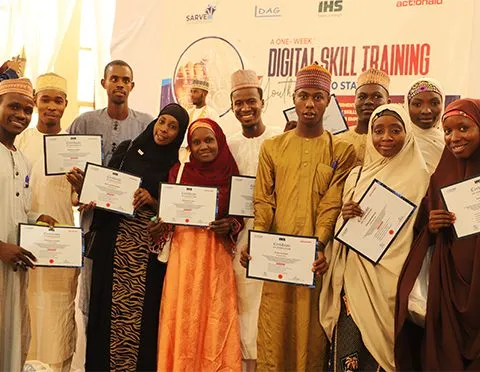
Aisha, a young woman from Nigeria, finds computer tasks like creating an excel spreadsheet or sending an email to be difficult. She is one among the 64 million young population (18-35 years) who – if trained well – can contribute to Nigeria’s growing economy. With 13.9 million unemployed youth, Nigeria is concerned about the rising insecurities and potential luring of youth to extremist groups.
With a ‘whole of society’ approach, GCERF began its investment in Nigeria in 2016. This approach encompasses engagement with civil society and government and additionally focuses on leveraging the potential of private sector to make meaningful impact.
“The GCERF funds available for PVE are limited, compared to the scale of the problem so the private sector is a viable source of funding. All parts of society are affected by the lack of peace. It’s a win-win situation for private sector to collaborate and fund PVE interventions because if there is a peaceful environment, private sector will spend less on security of their assets and staff, make more profit and protect their businesses from closure,” says Anicetus Atakpu, Project Manager at Action Aid Nigeria, a GCERF grantee.
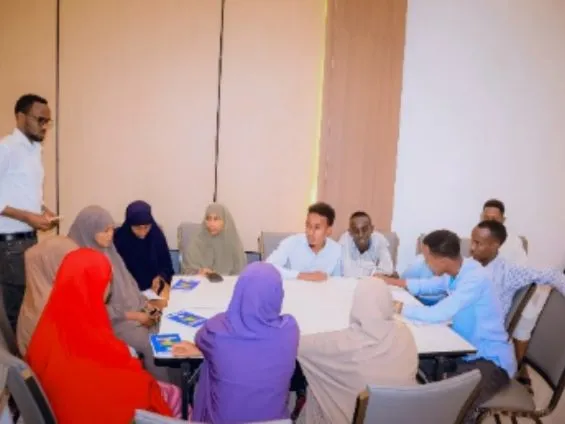
Recognising the potential of private sector, GCERF developed an MOU with IHS Towers, a telecommunications infrastructure provider in Nigeria, to train youth participants of Action Aid Nigeria grantees in basic Information, Communication and Technology (ICT) skills. With the goal of increasing employability and providing access to tools required in the modern world for various exam- and job-related online applications, the training certified 120 young people over four days in Kano State.