By Yuko Narushima and Nico Rapin
When reporting a crime, few would expect to be put behind bars themselves.
But this was how many young people in Kenya’s Kamukunji sub-county felt when the relationship between police and the youth were at their lowest point in July 2020, against the backdrop of the COVID-19 pandemic.
“Young people were saying they were always suspects,” Gibson Mwaita, the Consortium Manager of the GCERF-funded Jiongoze project said. “They talked about harassment by the police, being arrested and being rounded up and put behind bars when reporting crime, instead of being listened to.”
Stories like these were the catalyst for change. A baseline study in 2019 had showed that police harassment of young people, between 18 and 35, was one of the drivers for violent extremism in the community.
“Part of what was driving them to join these violent extremist and organised groups was in retaliation to what was perceived as harassment,” Mwaita, 31, said. “Young people were being rounded up just for being in groups in the playground.”
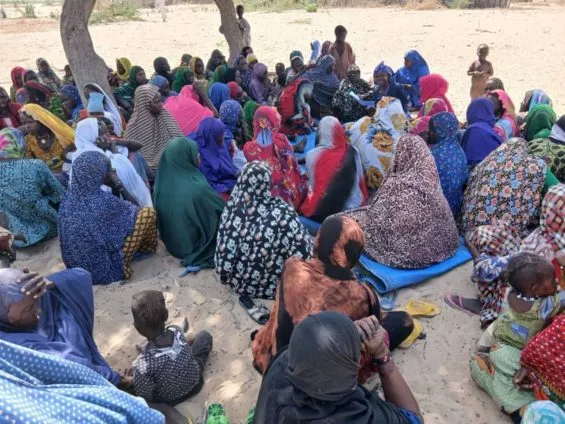
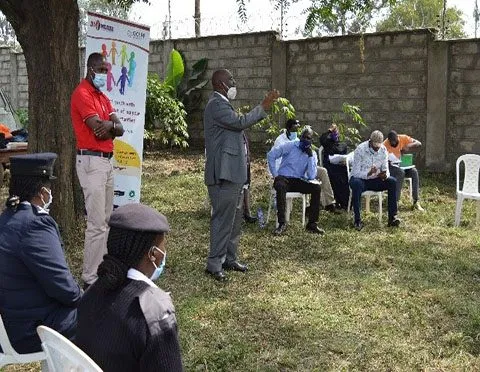
As the appeals from young people to intervene grew, the consortium of five local NGOs worked to broker a truce between young people and the police. SOWED Kenya talked to key actors, including in the National Government Administration and a Member of Parliament, and took the lead in convening what is known as a “Kikao” open-air dialogue. This gave people representing all sides the chance to air grievances and start finding solutions.
“The young people got to speak out about some of the things that were being done in the community that they felt were really fueling the conflict between police and young people.
“For them to feel safe, in terms of even coming to the police station, they wanted to feel like they had a go-to person,” Mwaita said.
The police listened and took action. They took recommendations generated at the open-air dialogue and by the following month, the police station had created the position of Station Youth Liaison Officer. The two selected officers, chosen against strict criteria, were male and female, below the age of 35, known for their empathetic dispositions and being friendly to youth.
Defence Kale, one of the young constables to fill the newly created post at the Shauri Moyo station said the rapport between police young people was now “excellent”.
“The youth are becoming friendlier to police officers and they are willing to give information on what is happening in the community,” Kale, 31, said.