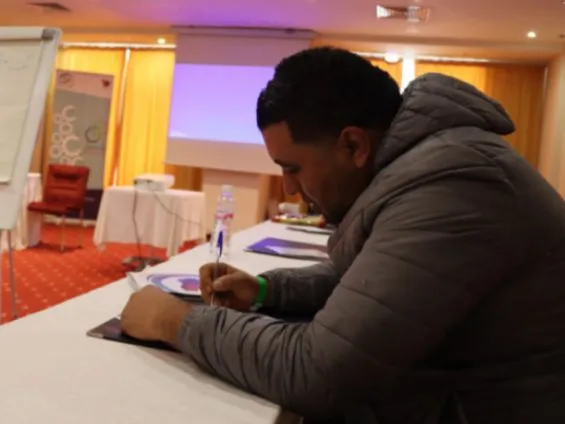
- 300+ Young people at-risk of radicalisation equipped with vocational skills and entrepreneurship support to reduce their vulnerability to recruitment into violent extremism
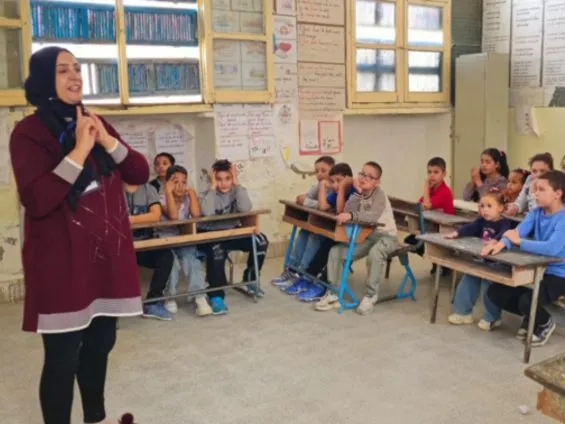
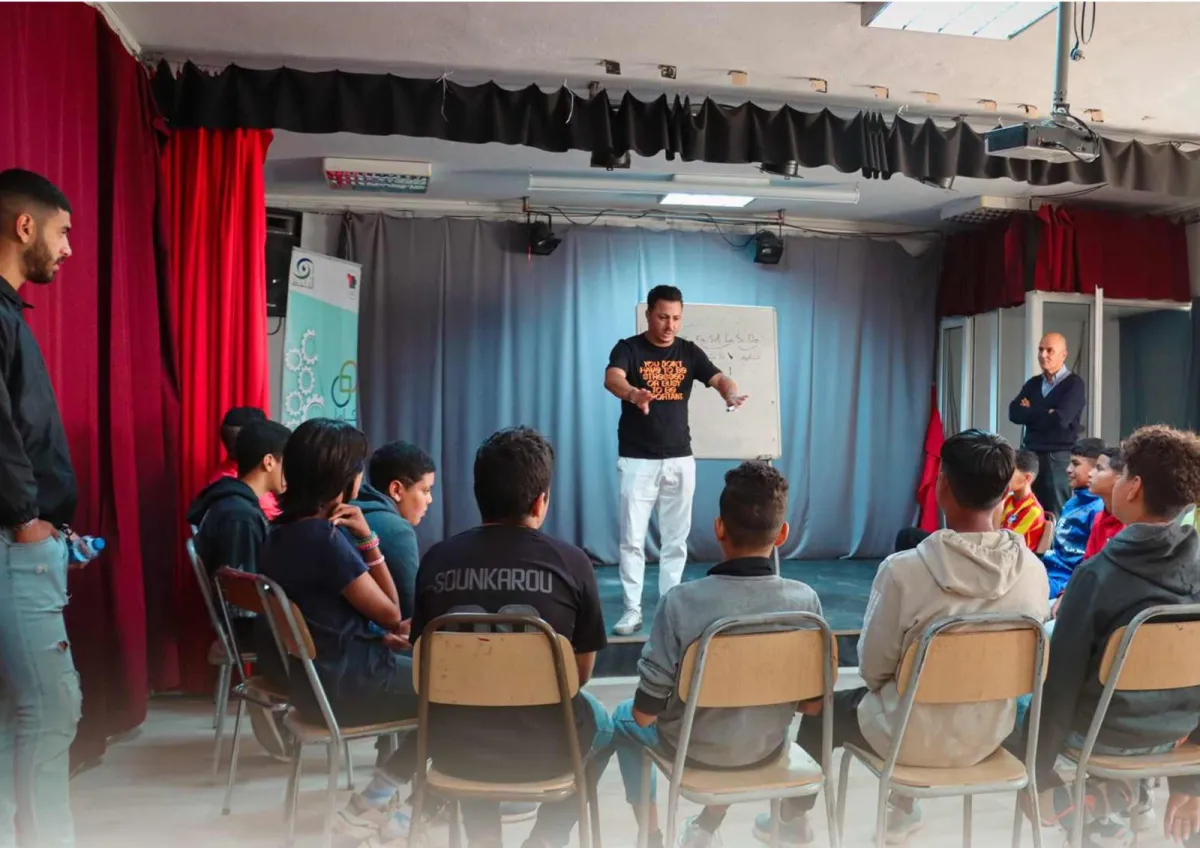
- 2,200+ Young people and school children engaged through peace clubs and forums to strengthen their resilience against violent extremism
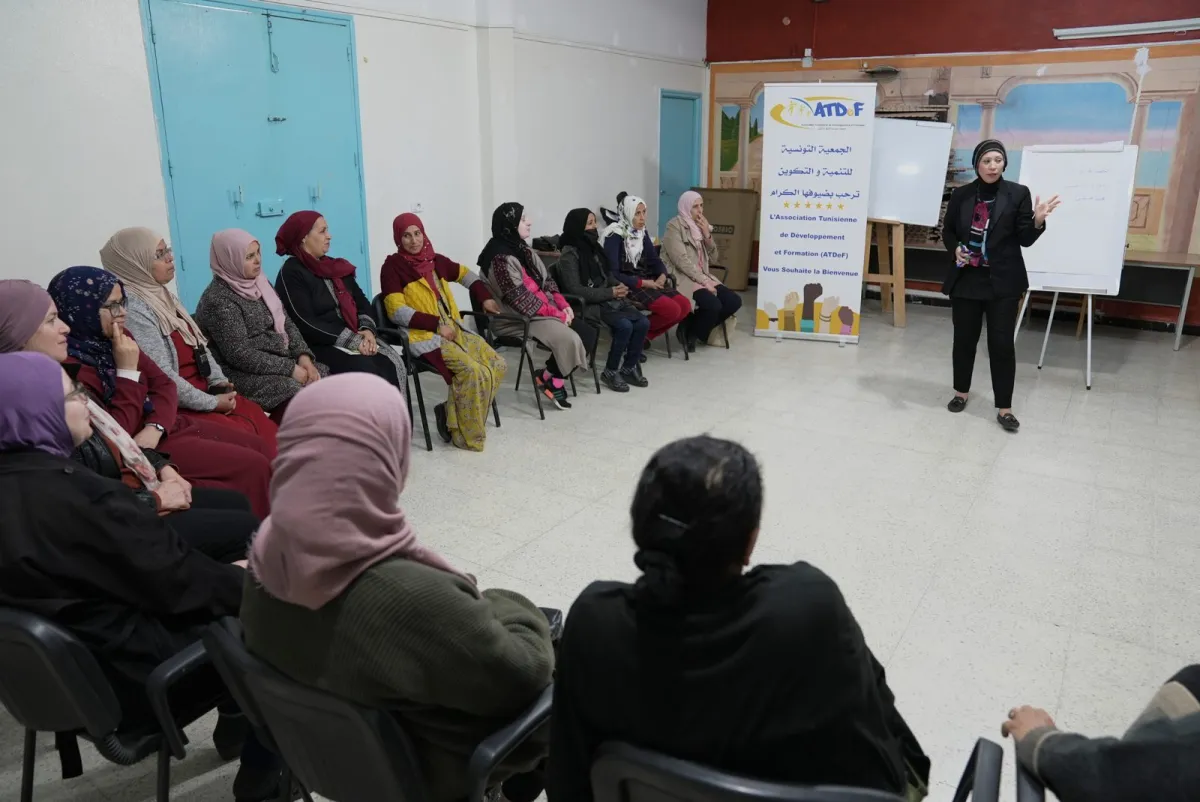
- 4,500+ parents, teachers and youth engaged through dialogues and consultations to increase awareness on PVE, strengthen trust and social cohesion
Ifrikya Center for Common Ground (ICCG)
About Ifrikya Center for Common Ground (ICCG)
Lead grantee Sub-recipients: Organisation Tunisienne des Scouts (OTS), Union National de la Femme Tunisienne à Kairouan (UNFTK)
Ifrikya Center for Common Ground (ICCG) is a Tunisian civil society organization working to build more inclusive, cohesive, and resilient societies. Through its work, ICCG promotes social cohesion, youth participation, gender equality, education, digital inclusion, and constructive dialogue. ICCG's programmes bring together young people, civil society organizations, and local communities to strengthen participation, cooperation, and locally driven solutions.
Where they work
View all countries
$4.8M Investment funds
- Grants
- 10
- Civil society organisations
- 20
-
Story
Women Leading Change For Children in Kairouan
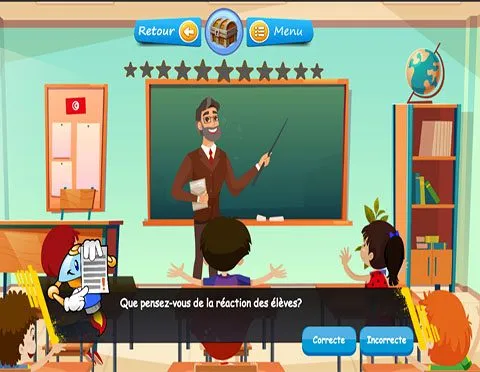
In Kairouan, the “Mon École Attractive, Ouverte et Inclusive” project turned early warning into early action — equipping women from the community to identify risks, support vulnerable children, and prevent school dropout and violence before they escalated, creating safer and more inclusive learning environments.
Read story → -
Story
Bilel’s Journey: Building Resilience
Growing up in a family living in extreme poverty, with a father living with a disability and no stable income, Bilel took on daily labour from a young age to help meet basic needs. In this fragile environment, he became vulnerable to the influence of an extremist group that gradually undermined his beliefs and sense of balance.
Read story → -
Press release
Netherlands, Switzerland, and GCERF Launch SAFE: A Landmark…
The Kingdom of the Netherlands, the Swiss Confederation, and the Global Community Engagement and Resilience Fund (GCERF) today officially launched SAFE: Schools Against Fragile Extremism in Tunisia, a pioneering programme to prevent violent extremism among children aged 6 to 12 by transforming primary schools into safe, supportive, and resilient community hubs…
Read story → -
Story
Restoring Family Bonds and Preventing Vulnerability…
Murad, a 15-year-old boy from rural Siliana, Tunisia, grew up amid loss and hardship. After his mother’s death, he became the sole caregiver for his ill grandfather, shouldering responsibilities far beyond his years. Isolated and emotionally strained, his relationship with his father broke down, leading to emotional neglect and eventually dropping out of school.
Read story → -
Story
Cercles d’Ecoute: Safe Spaces against domestic violence in…
For both men and women, witnessing ongoing domestic violence may normalise it, inuring them to violence as a ‘way of life’ at home, within societies, or carried out by global extremist movements. Furthermore, in the absence of any mitigating effort or psychosocial support, traumatic life events can create a vicious cycle and may drive individuals towards radicalisation especially when compounded by a sense of hopelessness, anger, or fear of harm.
Read story → -
Story
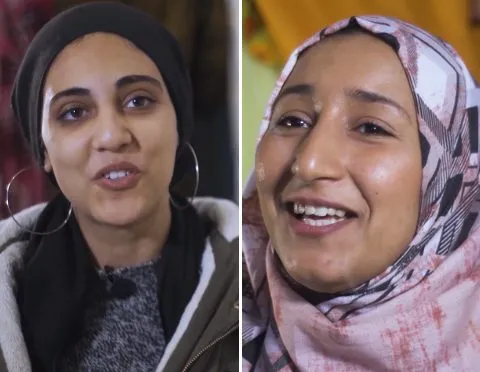
Of new beginnings: Scaling economic opportunities for women…
Haïfa and Abir dropped out of school at a young age due to social and financial difficulties. Like other women in their neighbourhoods, they did not have much to do. While Haïfa tried to keep herself busy working informally as a dressmaker, Abir remained at home. They lived in neighbourhoods where high rates of delinquency and crime, radicalisation and recruitment into violent extremist groups were omni-present. “Violence in our city is our daily bread: domestic violence, robbery, school violence, illegal migration…, we have two options: to join this violence or to escape it,” said Abir.
Read story → -
Story
Fostering Youth Resilience to Online Radicalisation in…
Like many of their peers, young Tunisians are fond of social media and YouTube. However, surfing the internet can turn out to be a perilous activity when you do not have the knowledge and experience to assess information properly. A vulnerability that local violent extremist groups exploit to spread their propaganda, radicalise, and recruit young men and women.
Read story →