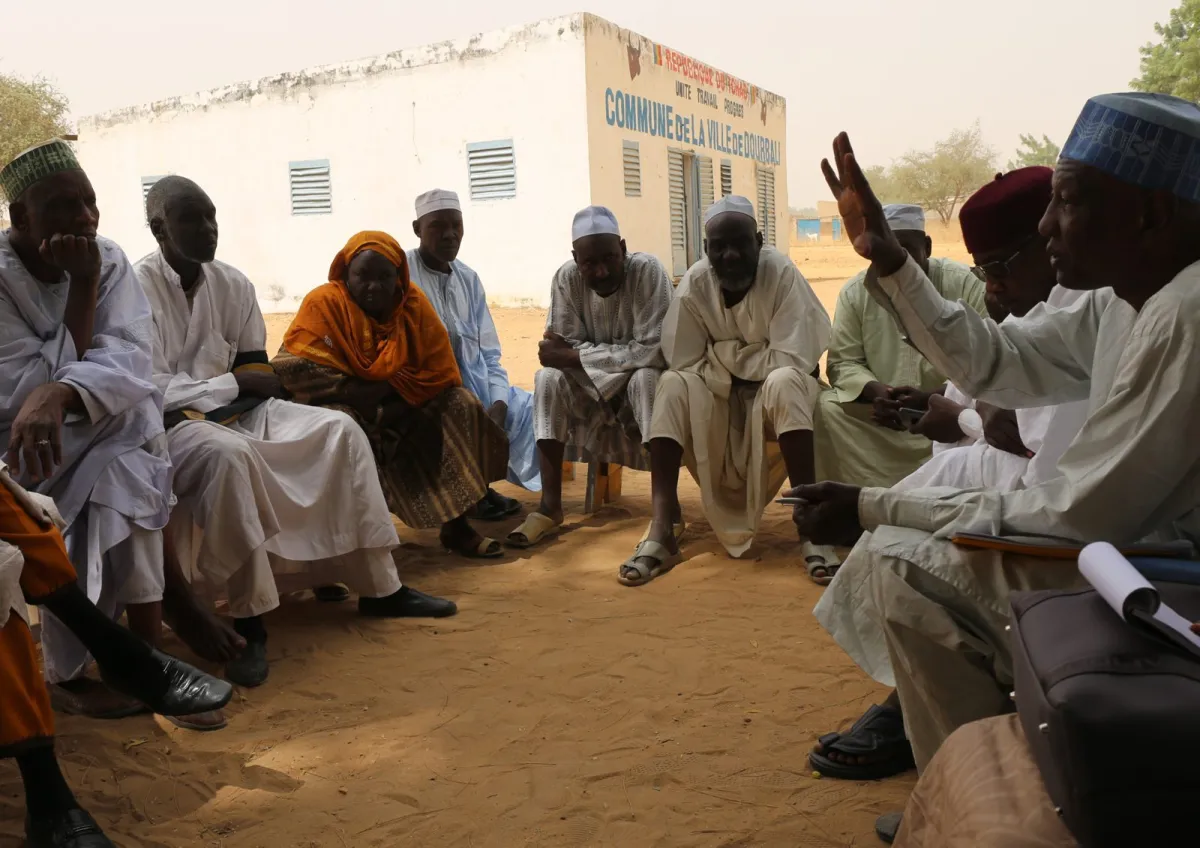
- 400+ Traditional leaders and religious leaders trained in conflict management and resolution to address grievances before VE groups can exploit them
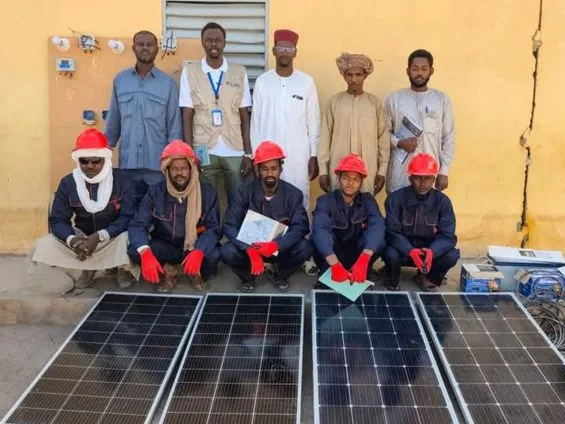
- 500+ Women and young people at-risk of radicalisation equipped with vocational skills and entrepreneurship support to reduce their vulnerability to recruitment into violent extremism
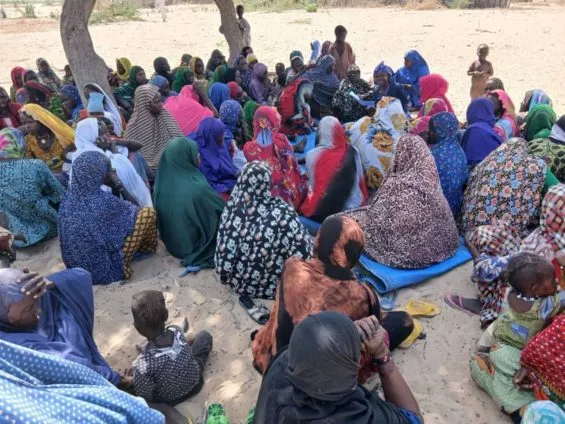
- 2,000+ Community members at-risk of radicalisation, community and religious leaders participated in dialogues and townhalls to reduce differences, strengthen cohesion and peaceful coexistence
ATPDH
Where they work
View all countries
$2M Investment funds
- Grants
- 3
- Civil society organisations
- 7
-
Story
Women Advancing Peaceful Change in Lake Chad Region
In Lake Chad’s region, a GCERF-supported project implemented by a local CSO consortium led by Ligue Tchadienne des Droits de l’Homme (LTDH) strengthened women’s participation in local governance by creating opportunities for dialogue, advocacy, and constructive engagement with authorities.
Read story → -
Story
Empowering Tibesti’s youth against violent extremism
Tibesti, a remote and underdeveloped region in the North of Chad shares borders with Libya where the presence of Daesh group and its porous borders pose a threat to the peace and stability in the region. Limited access to education, economic opportunities and vocational skills leaves young people particularly vulnerable to recruitment by Daesh. This vulnerability is amplified by Tibesti’s history of youth involvement in rebel movements as well as their exposure to small arms and illicit activities such as smuggling, drug trafficking and human trafficking. Together, these factors create fertile ground for terrorist groups seeking to exploit disenfranchised youth and destabilise the region.Youssouf Issa, a young individual in Bardai (Tibesti region) is one among the unemployed individuals who is exposed to violent extremist rhetoric and remains vulnerable to recruitment by terrorist groups. “Sometimes I would listen to people saying that our situation would never change, that we had to fight against it.one way or another,” said Youssouf to our civil society partner ATAHS.In this backdrop, ATAHS, one of GCERF-funded civil society organisations in Chad, implements a programme targeting vulnerable youth like Youssouf and trains them in economic and entrepreneurial skills to strengthen their resilience against radicalisation. Youssouf participated in the training and learnt the installation and maintenance of photovoltaic systems, a rare but crucial skill in this neglected region.“The first time I held a screwdriver, I was nervous. But little by little, I realised I could do it.”At the end of the training, Youssouf received a complete solar kit, ready to help him start a business. He was also integrated into a local solar energy workshop, which enabled him to start offering his services around Bardai. Today, although his beginnings remain modest, Youssouf feels that he has changed course. He has already started helping other young people, and his first act was to install a solar panel in his neighbourhood.“Before, I felt useless. Now I have a skill, I earn a little money, and above all, I have found my place,” said Youssouf.Youssouf’s journey is a reminder that when young people are given the chance to learn, to work, and to belong, they become powerful drivers of peace rather than targets for extremism. His journey shows that resilience is built one young person at a time and that empowering youth is not merely prevention, but the foundation of long-term stability in Tibesti.
Read story → -
Tchadinfos
-
Story
From Vulnerability to Resilience: Abdelkader’s Journey…
At just 24 years old, Abdelkader was on the brink of being recruited by informal groups promoting violent extremist ideologies. Frustrated by persistent barriers to employment, strained inter-community relations, and a life marked by instability and personal trauma, Abdelkader experienced a deep sense of powerlessness and anger. These factors made him particularly vulnerable to radicalisation. The violent extremist groups continue to exert a strong influence over disillusioned youth like Abdelkader.
Read story →